Quality Assurance and Quality Control: A Complete Guide to Careers, Certifications, Skills, and Industry Applications
In today’s competitive business environment, quality is no longer a luxury—it is a necessity. Organisations across manufacturing, healthcare, pharmaceuticals, information technology, construction, food production, and countless other sectors rely on robust quality management practices to ensure their products and services meet customer expectations and regulatory requirements. This is where Quality Assurance (QA) and Quality Control (QC) play a critical role.
Although the terms Quality Assurance and Quality Control are often used interchangeably, they represent two distinct but interconnected components of quality management. Together, they help organisations minimise errors, improve efficiency, reduce costs, maintain compliance, and build customer trust.
This comprehensive guide explains everything you need to know about Quality Assurance and Quality Control, including their definitions, differences, principles, career opportunities, essential skills, certifications, and applications across various industries.
What is Quality Assurance (QA)?
Quality Assurance (QA) is a proactive and process-oriented approach that focuses on preventing defects before they occur. It involves establishing policies, procedures, standards, and systems that ensure products and services consistently meet specified quality requirements.
Simply put, Quality Assurance aims to build quality into a process rather than inspecting it after completion.
Key Objectives of Quality Assurance
- Prevent defects and errors.
- Standardise processes and procedures.
- Improve efficiency and productivity.
- Ensure compliance with regulations and standards.
- Enhance customer satisfaction.
- Promote continuous improvement.
Examples of Quality Assurance Activities
- Developing Standard Operating Procedures (SOPs)
- Conducting employee training programmes
- Implementing ISO 9001 quality management systems
- Performing internal audits
- Risk assessment and management
- Process validation and documentation
- Continuous improvement initiatives
What is Quality Control (QC)?
Quality Control (QC) is a reactive and product-oriented process that focuses on identifying and correcting defects in finished products or services. It involves inspection, testing, measurement, and verification activities to ensure quality standards have been achieved.
The primary goal of Quality Control is to detect problems before products or services reach customers.
Key Objectives of Quality Control
- Detect defects and non-conformities.
- Verify product specifications.
- Reduce customer complaints.
- Ensure regulatory compliance.
- Improve product reliability.
- Minimise waste and rework.
Examples of Quality Control Activities
- Product inspections
- Laboratory testing
- Sampling and measurements
- Final product verification
- Quality audits
- Performance testing
- Statistical analysis
Customer Requirements
↓
Quality Planning
↓
Quality Assurance
(Process Prevention)
↓
Production / Service Delivery
↓
Quality Control
(Product Testing)
↓
Continuous Improvement
↓
Customer Satisfaction
Quality Assurance vs Quality Control: Key Differences
| Aspect | Quality Assurance | Quality Control |
|---|---|---|
| Focus | Processes | Products |
| Approach | Preventive | Corrective |
| Objective | Prevent defects | Identify defects |
| Responsibility | Entire organisation | Inspection and testing teams |
| Timing | Before production | During and after production |
| Method | Audits, procedures, standards | Testing, inspections, measurements |
| Goal | Process improvement | Product verification |
Simple Example
A manufacturing company creates procedures for machine maintenance and employee training to prevent defects. This is Quality Assurance.
The same company inspects finished products for defects before shipping. This is Quality Control.
Why Are Quality Assurance and Quality Control Important?
Quality Assurance (QA) and Quality Control (QC) are far more than business processes—they are essential practices that help organisations deliver consistent, reliable, and high-quality products and services. In today’s competitive marketplace, customers have more choices than ever before, and even a small quality issue can damage a company’s reputation and lead to lost business.
Implementing effective QA and QC systems helps organisations prevent errors, improve efficiency, meet regulatory requirements, and build long-term customer trust. Below are some of the key reasons why Quality Assurance and Quality Control are critical to business success.
1. Improved Customer Satisfaction and Trust
Customers expect products and services that are safe, reliable, and perform as promised. Quality Assurance ensures that the right processes are in place to consistently meet customer expectations, while Quality Control verifies that the final product meets the required standards.
When customers receive high-quality products consistently, they are more likely to trust the brand, make repeat purchases, and recommend the business to others. On the other hand, poor quality can lead to complaints, negative reviews, and loss of customer confidence.
2. Reduced Costs and Increased Efficiency
Quality problems can be expensive. Defective products often result in rework, repairs, returns, product recalls, and wasted materials, all of which increase operational costs.
By focusing on preventing defects and identifying issues at an early stage, QA and QC help organisations:
- Reduce production errors
- Minimise material waste
- Lower repair and replacement costs
- Decrease downtime and delays
- Improve overall operational efficiency
Investing in quality management may require time and resources initially, but it often saves businesses significant costs in the long run.
3. Compliance with Industry Regulations and Standards
Many industries operate under strict legal and regulatory requirements. Sectors such as healthcare, pharmaceuticals, food production, construction, aviation, and manufacturing must comply with quality standards to ensure safety and reliability.
Effective QA and QC systems help organisations:
- Meet international standards such as ISO 9001
- Maintain regulatory compliance
- Prepare for audits and inspections
- Reduce the risk of penalties and legal issues
- Protect public health and safety
Compliance not only protects businesses from regulatory action but also demonstrates a commitment to quality and professionalism.
4. Stronger Brand Reputation and Competitive Advantage
A company’s reputation is one of its most valuable assets. Businesses that consistently deliver high-quality products and services earn the trust of customers, suppliers, and stakeholders.
Strong quality management practices can help organisations:
- Build a positive brand image
- Increase customer loyalty
- Differentiate themselves from competitors
- Strengthen market position
- Attract new customers and business opportunities
In contrast, poor quality can quickly damage a company’s reputation and take years to rebuild.
5. Encourages Continuous Improvement and Innovation
Quality management is not simply about finding and fixing problems; it is also about continuously improving processes and performance.
QA and QC systems encourage organisations to:
- Analyse performance data
- Identify areas for improvement
- Learn from mistakes and customer feedback
- Improve processes and productivity
- Develop better products and services
A culture of continuous improvement helps businesses remain competitive, adapt to changing market demands, and achieve long-term success.
6. Improves Employee Performance and Accountability
Clear quality procedures and standards help employees understand their responsibilities and perform their tasks more effectively.
When organisations implement strong quality systems, employees benefit from:
- Better training and guidance
- Clearly defined processes
- Increased accountability
- Improved teamwork and communication
- Greater confidence in their work
An engaged and quality-focused workforce plays a vital role in achieving organisational goals.
7. Supports Long-Term Business Growth
Organisations that prioritise quality are often better positioned for sustainable growth. Consistent quality leads to satisfied customers, improved efficiency, reduced costs, and stronger market credibility.
Over time, effective QA and QC systems contribute to:
- Increased profitability
- Higher customer retention
- Improved operational performance
- Better decision-making
- Greater business resilience and long-term success
Quality Assurance and Quality Control are essential for any organisation that wants to deliver excellence, maintain customer trust, and remain competitive in today’s global marketplace. By preventing defects, improving processes, and ensuring consistent standards, QA and QC help businesses achieve operational excellence and create long-term value for customers and stakeholders alike.
Principles of Effective Quality Management
Successful quality management systems are built on several core principles.
- Customer focus
- Leadership commitment
- Employee engagement
- Process approach
- Evidence-based decision-making
- Continuous improvement
- Risk management
- Relationship management
Essential Tools and Techniques Used in Quality Assurance and Quality Control
Successful Quality Assurance (QA) and Quality Control (QC) programmes rely on a variety of tools, methodologies, and management systems to maintain high standards, solve problems, and drive continuous improvement. These tools help organisations identify risks, prevent defects, improve efficiency, and consistently deliver products and services that meet customer expectations.
Below are some of the most widely used quality management tools across industries.
1. ISO 9001 Quality Management System (QMS)
The ISO 9001 Quality Management System is the world’s most recognised standard for quality management. It provides organisations with a structured framework for establishing, implementing, maintaining, and continuously improving their processes.
Rather than focusing solely on the final product, ISO 9001 emphasises creating effective systems that consistently deliver quality outcomes.
Key benefits of ISO 9001 include:
- Improved customer satisfaction
- Better process control and efficiency
- Enhanced risk management
- Greater consistency in products and services
- Increased credibility and market competitiveness
- Stronger regulatory compliance
Many organisations around the world use ISO 9001 certification as proof of their commitment to quality and continuous improvement.
2. Six Sigma
Six Sigma is a data-driven methodology designed to improve business performance by reducing errors, defects, and process variations. It uses statistical tools and structured problem-solving techniques to identify inefficiencies and improve quality.
The ultimate goal of Six Sigma is to achieve near-perfect processes by minimising defects and increasing customer satisfaction.
The Six Sigma approach helps organisations to:
- Reduce process errors
- Improve product quality
- Lower operational costs
- Increase productivity
- Make better data-driven decisions
- Improve customer satisfaction
Six Sigma certifications such as Green Belt and Black Belt are highly valued by employers across various industries.
3. Lean Management
Lean Management is a business improvement philosophy that focuses on delivering maximum value to customers while eliminating activities that do not add value. These unnecessary activities, commonly known as “waste,” can include delays, defects, overproduction, and inefficient processes.
Lean principles help organisations work smarter, faster, and more efficiently.
Benefits of Lean Management include:
- Reduced operational waste
- Faster process completion
- Improved productivity
- Better resource utilisation
- Lower costs
- Enhanced customer experience
Lean Management is widely used in manufacturing, healthcare, logistics, and service industries.
4. Statistical Process Control (SPC)
Statistical Process Control (SPC) is a method of monitoring, measuring, and controlling processes using statistical techniques and data analysis. It helps organisations identify variations in processes before they lead to significant quality problems.
By continuously analysing process data, businesses can make informed decisions and maintain consistent quality standards.
SPC helps organisations to:
- Monitor process performance in real time
- Detect process variations early
- Reduce defects and waste
- Improve consistency and reliability
- Support data-driven decision-making
- Enhance process stability
Control charts and process capability studies are among the most commonly used SPC tools.
5. Root Cause Analysis (RCA)
Root Cause Analysis is a structured problem-solving technique used to identify the underlying causes of issues rather than simply addressing their symptoms.
Instead of asking, “What went wrong?” Root Cause Analysis focuses on asking, “Why did it happen?”
Once the true cause of a problem is identified, organisations can implement long-term solutions to prevent it from happening again.
Common Root Cause Analysis techniques include:
- The 5 Whys Method
- Fishbone (Ishikawa) Diagrams
- Pareto Analysis
- Fault Tree Analysis
Root Cause Analysis is essential for preventing recurring quality issues and driving continuous improvement.
6. Failure Mode and Effects Analysis (FMEA)
Failure Mode and Effects Analysis (FMEA) is a proactive risk management tool that helps organisations identify potential failures before they occur.
The method evaluates:
- What could go wrong
- Why it might happen
- The potential impact of the failure
- How the risks can be reduced or eliminated
Benefits of FMEA include:
- Early identification of risks
- Improved product reliability
- Enhanced process safety
- Reduced operational failures
- Better decision-making
- Lower costs associated with defects and recalls
FMEA is widely used in manufacturing, healthcare, engineering, and the automotive industry.
7. Corrective and Preventive Action (CAPA)
Corrective and Preventive Action (CAPA) is a systematic approach used to investigate problems, eliminate their causes, and prevent them from recurring.
A Corrective Action addresses an existing problem, while a Preventive Action aims to stop a potential issue from occurring in the future.
A typical CAPA process involves:
- Identifying the issue
- Investigating the root cause
- Developing an action plan
- Implementing improvements
- Monitoring the effectiveness of the solution
CAPA plays a vital role in maintaining compliance, improving processes, and strengthening quality management systems.
8. PDCA Cycle (Plan-Do-Check-Act)
The PDCA Cycle, also known as the Deming Cycle, is a continuous improvement model that helps organisations systematically improve their processes and performance.
The cycle consists of four stages:
Plan: Identify an opportunity for improvement and develop a strategy.
Do: Implement the planned solution on a small scale.
Check: Measure and evaluate the results.
Act: Standardise successful improvements and implement them across the organisation.
Benefits of the PDCA Cycle include:
- Continuous process improvement
- Better decision-making
- Reduced risks and errors
- Increased efficiency
- Improved organisational performance
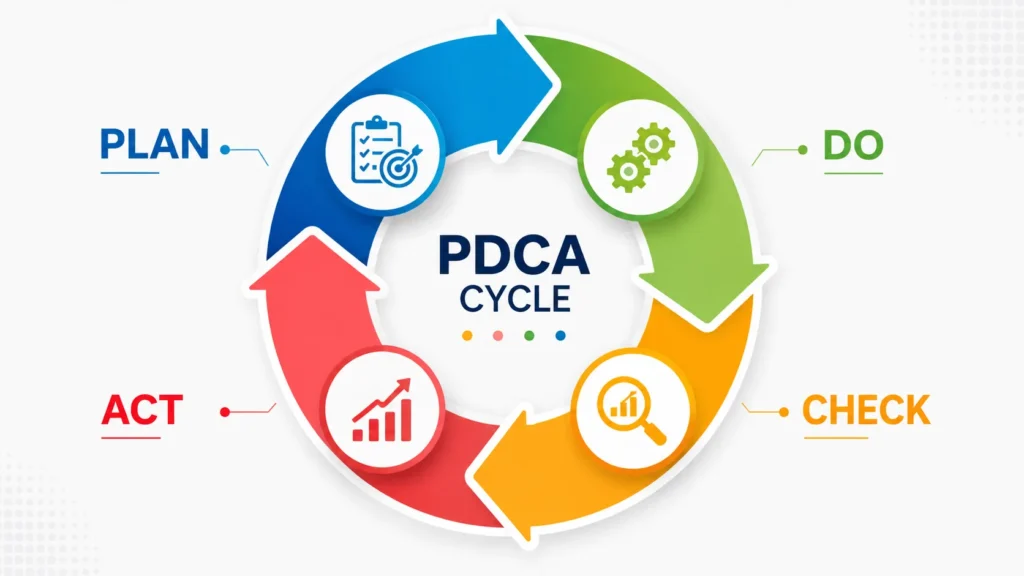
The PDCA model is widely recognised as one of the most effective frameworks for achieving long-term quality improvement.
Why These Tools Matter
No single tool can solve every quality challenge. Successful organisations often use a combination of these methodologies to create robust quality management systems, improve operational efficiency, and deliver exceptional products and services.
By understanding and applying these essential QA and QC tools, professionals can enhance their problem-solving abilities, improve business performance, and build successful careers in quality management.
Quality Assurance and Quality Control Across Different Industries
Quality Assurance (QA) and Quality Control (QC) are essential in almost every industry. Whether an organisation manufactures products, delivers healthcare services, develops software, or builds infrastructure, maintaining high-quality standards is critical for customer satisfaction, safety, compliance, and long-term success.
Although the principles of QA and QC remain the same, their application varies depending on the industry’s specific requirements, regulations, and risks. Below is a closer look at how quality management is applied across different sectors.
Manufacturing Industry
In manufacturing, quality directly impacts product performance, customer satisfaction, and profitability. Even minor defects can lead to product failures, increased costs, and damage to a company’s reputation.
Quality Assurance focuses on establishing efficient production processes, employee training, and standard operating procedures to prevent defects from occurring. Quality Control, on the other hand, involves inspecting raw materials, monitoring production processes, and testing finished products to ensure they meet specifications.
Benefits of QA and QC in manufacturing include:
- Reduced production defects and waste
- Improved operational efficiency
- Consistent product quality
- Lower manufacturing costs
- Increased customer satisfaction
- Better compliance with industry standards
Examples include automotive manufacturing, electronics production, textiles, and industrial equipment manufacturing.
Healthcare Industry
In healthcare, quality is directly linked to patient safety and the effectiveness of medical services. Errors in healthcare can have serious consequences, making robust quality management systems essential.
Quality Assurance focuses on developing healthcare protocols, staff training programmes, infection control procedures, and compliance with healthcare regulations. Quality Control involves monitoring medical procedures, reviewing patient outcomes, and ensuring equipment and services meet required standards.
Benefits of QA and QC in healthcare include:
- Improved patient safety
- Reduced medical errors
- Better treatment outcomes
- Enhanced healthcare service quality
- Compliance with healthcare regulations
- Increased patient confidence and trust
Hospitals, clinics, laboratories, and diagnostic centres all rely heavily on quality management practices.
Pharmaceutical Industry
The pharmaceutical industry operates under some of the strictest quality regulations in the world because product quality directly affects public health and patient safety.
Quality Assurance ensures that medicines are developed and manufactured according to Good Manufacturing Practices (GMP), regulatory guidelines, and documented procedures. Quality Control involves testing raw materials, monitoring production processes, and conducting laboratory analysis of finished products.
Benefits of QA and QC in pharmaceuticals include:
- Ensuring product safety and effectiveness
- Maintaining regulatory compliance
- Reducing contamination risks
- Supporting product consistency
- Protecting patient health
- Preventing costly product recalls
Quality management is essential throughout the entire pharmaceutical supply chain, from research and development to manufacturing and distribution.
Information Technology (IT) Industry
In the digital age, software failures and security issues can result in significant financial losses and damage to an organisation’s reputation. This makes Quality Assurance and Quality Control vital in software development and IT services.
Quality Assurance focuses on establishing development standards, testing methodologies, and project management processes. Quality Control involves software testing, bug identification, performance evaluation, and security assessments.
Benefits of QA and QC in information technology include:
- Improved software reliability
- Enhanced system performance
- Better user experience
- Reduced software defects and errors
- Increased cybersecurity protection
- Faster and more efficient product releases
QA and QC are essential in software development, mobile applications, cloud computing, and cybersecurity services.
Construction Industry
Construction projects involve significant investments and must meet strict safety and engineering standards. Poor quality can result in project delays, structural failures, and increased costs.
Quality Assurance in construction focuses on project planning, design reviews, contractor management, and adherence to engineering standards. Quality Control involves inspections, material testing, and site assessments to ensure construction work meets specifications.
Benefits of QA and QC in construction include:
- Improved structural safety
- Better project quality
- Reduced construction defects
- Compliance with building regulations
- Lower maintenance and repair costs
- Increased client satisfaction
Quality management is essential in residential, commercial, and infrastructure development projects.
Food and Beverage Industry
Consumers expect food products to be safe, nutritious, and produced under hygienic conditions. A single quality failure can lead to serious health risks and significant financial losses for businesses.
Quality Assurance focuses on food safety systems, hygiene procedures, supplier management, and regulatory compliance. Quality Control involves laboratory testing, product inspections, and monitoring of production processes.
Benefits of QA and QC in the food industry include:
- Protection of consumer health
- Compliance with food safety regulations
- Reduced contamination risks
- Improved product consistency
- Increased consumer confidence
- Prevention of costly product recalls
Quality management plays a crucial role in food manufacturing, processing, packaging, and distribution.
Aviation Industry
The aviation sector is one of the most highly regulated industries in the world, where even minor errors can have serious consequences. Maintaining the highest quality standards is essential to ensure passenger safety and operational reliability.
Quality Assurance focuses on establishing safety procedures, maintenance programmes, staff training, and regulatory compliance. Quality Control involves inspections, equipment testing, and monitoring of operational performance.
Benefits of QA and QC in aviation include:
- Enhanced passenger safety
- Improved aircraft reliability
- Reduced operational risks
- Compliance with international aviation standards
- Better maintenance performance
- Increased confidence among passengers and stakeholders
Airlines, airports, and aircraft manufacturers all depend on comprehensive quality management systems to maintain safe and efficient operations.
Why Quality Management Matters Across Every Industry
Regardless of the sector, organisations that invest in Quality Assurance and Quality Control are better positioned to deliver consistent results, improve efficiency, maintain compliance, and build long-term customer trust.
As industries become increasingly competitive and regulations continue to evolve, the demand for skilled quality professionals is growing rapidly. Understanding how QA and QC are applied across different industries can open the door to diverse and rewarding career opportunities around the world.
Essential Skills for Quality Assurance and Quality Control Professionals
Modern employers seek professionals with a combination of technical and soft skills.
Technical Skills
- Auditing techniques
- Statistical analysis
- Quality management systems
- Risk assessment
- Documentation and reporting
- Data analysis
- Process improvement
- Regulatory compliance knowledge
Soft Skills
- Communication
- Leadership
- Attention to detail
- Problem-solving
- Decision-making
- Teamwork
- Critical thinking
- Time management
Career Opportunities in Quality Assurance and Quality Control
Quality professionals are in demand across almost every industry.
Popular job roles include:
- Quality Assurance Officer
- Quality Control Inspector
- Quality Engineer
- Quality Manager
- Compliance Officer
- Validation Specialist
- Quality Auditor
- Process Improvement Specialist
- Manufacturing Quality Engineer
- Supplier Quality Engineer
- Quality Systems Manager
- Regulatory Affairs Specialist
International Certifications in Quality Assurance and Quality Control
Professional certifications can significantly improve career prospects.
Popular qualifications include:
- ISO 9001 Lead Auditor Certification
- Six Sigma Green Belt
- Six Sigma Black Belt
- Lean Management Certification
- Certified Quality Engineer
- Certified Quality Auditor
- Certified Manager of Quality and Organisational Excellence
- International Diploma in Quality Management
- Quality Assurance and Quality Control Professional Certifications
Online, globally recognised certifications provide flexible learning opportunities for professionals seeking career advancement.
How to Start a Career in Quality Assurance and Quality Control
- Learn the fundamentals of quality management.
- Develop analytical and problem-solving skills.
- Gain knowledge of international standards.
- Complete professional certifications.
- Build practical experience through projects and internships.
- Develop auditing and compliance expertise.
- Continue learning emerging quality technologies.
Future Trends in Quality Management
The future of quality management is being shaped by:
- Artificial Intelligence
- Machine Learning
- Predictive Analytics
- Industry 4.0
- Digital Transformation
- Smart Manufacturing
- Real-Time Quality Monitoring
- Automation and Robotics
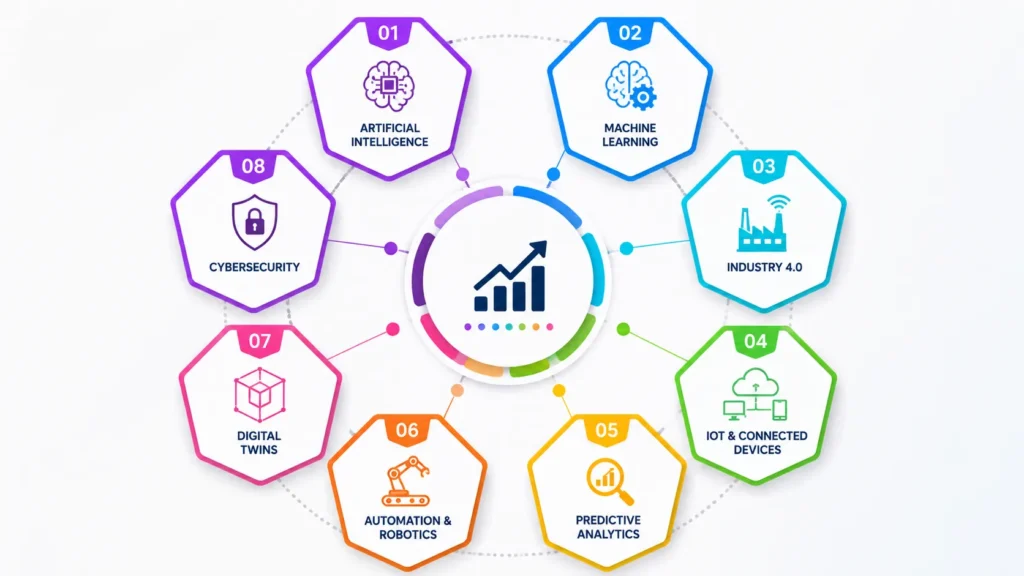
Professionals who understand these technologies will be highly sought after in the coming years.
Final Thoughts
Quality Assurance and Quality Control are essential pillars of organisational success. Businesses that prioritise quality achieve greater customer satisfaction, improved efficiency, regulatory compliance, and long-term growth.
As industries continue to evolve and embrace digital transformation, the demand for qualified quality professionals is expected to grow significantly. Developing expertise in quality management and obtaining internationally recognised certifications can open doors to rewarding career opportunities across the globe.