
Professional Comparative Approaches Matrix Tool
Table of Contents
Introduction
In the UK, community projects often fail because the wrong approach was used.
- If there is a flood, you don’t hold a focus group; you deliver sandbags immediately (Top-Down).
- If you want to reduce loneliness, you don’t just deliver leaflets; you help residents start their own clubs (Bottom-Up).
The “Comparative Approaches” Matrix ensures you can distinguish between Service Delivery and Community Empowerment and judge which one is appropriate based on cost, speed, and sustainability.
Knowledge Guide
Review the two primary approaches used in UK practice. You must understand the mechanics, benefits, and risks of each.
1. The Two Dominant Approaches
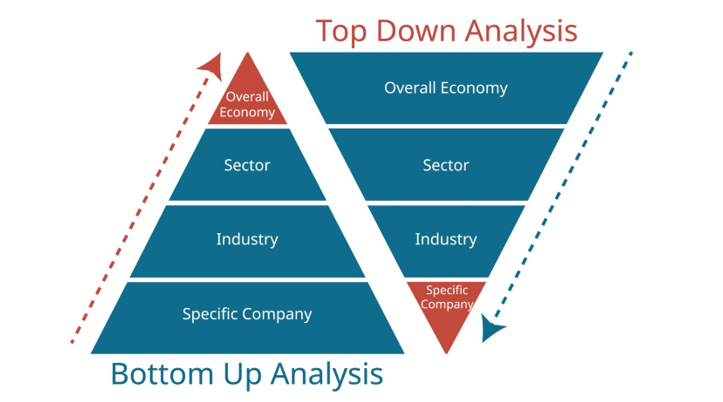
Option A: The Top-Down Approach (Service Delivery Model)
- Definition: Decisions, funding, and design come from “The Top” (Local Authority, Central Government, or Large Charities). The community is the recipient of the service.
- Mechanism: Needs Assessment → Professional Design → Delivery to Residents.
- Vocational Context: Common in statutory services (e.g., Child Protection, Waste Collection) or emergency responses.
- UK Legal Context: Often driven by Statutory Duty (laws requiring councils to provide specific services).
Option B: The Bottom-Up Approach (Community-Led / ABCD)
- Definition: The community identifies the issue and drives the solution. The professional acts as a facilitator, not a manager.
- Mechanism: Asset Mapping → Community Mobilization → Resident Action.
- Vocational Context: Common in neighborhood regeneration, social groups, and sustainable local projects.
- UK Legal Context: Supported by the Localism Act 2011, which gives communities the “Right to Bid” for assets and the “Right to Challenge” to run services.
2. The Criteria for Judgement
How do you decide which one to use? Use these four vocational filters.
Speed of Response:
- Top-Down is usually faster (Mobilize resources immediately).
- Bottom-Up is slow (Requires time to build trust and consensus).
Sustainability (Long-term):
- Top-Down has low sustainability (If funding cuts happen, the service stops).
- Bottom-Up has high sustainability (Relies on local passion/volunteers, not just cash).
Empowerment Level:
- Top-Down creates Dependency (“The Council should fix it”).
- Bottom-Up creates Agency (“We can fix it”).
Inclusivity Risk:
- Top-Down risks missing minority needs because “experts” guess what is needed.
- Bottom-Up risks “cliques” dominating the group, potentially excluding others unless facilitated well.
Learner Task Template
Task: Comparative Analysis Matrix
Instructions:
You are writing a strategy document for a new project called “Clean Up Our Streets.” You have two choices on how to run it:
- Method A (Top-Down): The Council hires professional cleaners to sweep the streets weekly.
- Method B (Bottom-Up): You support residents to form a “Street Champions” volunteer group and provide them with equipment.
Your Task:
Complete the Comparison Matrix below to evaluate these two methods.
| Criteria | Method A: Top-Down (Council Hired) | Method B: Bottom-Up (Resident Led) |
| Cost Implication (High/Low & Why?) | [Learner types answer here] | [Learner types answer here] |
| Sustainability (What happens if funding stops?) | [Learner types answer here] | [Learner types answer here] |
| Community Ownership (Will they care for the street?) | [Learner types answer here] | [Learner types answer here] |
| Timescale (How fast can it start?) | [Learner types answer here] | [Learner types answer here] |
Conclusion (The Verdict):
Based on your matrix, which approach would you recommend if the Council has a very limited budget but wants long-term results? Justify your choice in 2 sentences.
- Recommendation: [Learner types answer]
- Justification: [Learner types answer]
Learner Guidelines: How to Perform This Task
Follow these tips to ensure your comparison is “Vocational” and not just “General Knowledge.”
1. Think Like a Treasurer (The Cost Factor)
- Top-Down is expensive (Salaries, Insurance, Vehicles).
- Bottom-Up is cheaper financially but expensive in time (Support worker hours).
- Tip: When filling in the matrix, mention “Recurrent Costs” vs. “Start-up Costs.”
2. Think Like a Lawyer (The Dependency Risk)
- In the Sustainability row, consider the risk of “Grant Dependency.”
- If the Council stops paying the cleaner (Method A), the street gets dirty immediately.
- If the Volunteer Group (Method B) is motivated, they keep cleaning even if the Council budget is cut.
3. Use the Correct Terminology
- Don’t just say “People doing it themselves.” Use the term “Community Agency” or “Asset-Based.”
- Don’t just say “The Council doing it.” Use the term “Service Delivery Model” or “Statutory Intervention.”
Submission Guidelines
Evidence Reference: Structured Written Analysis
- Format: The Table/Matrix must be clear and readable.
- Length: Bullet points inside the table are preferred for clarity. The conclusion should be a short paragraph.
- Naming Convention: [Name]_Unit1_Task4_ComparativeMatrix
- Assessment Criteria:
- Referral: If you suggest Top-Down is always bad (it isn’t; it’s necessary for safety).
- Pass: You correctly identify Cost and Speed differences.
- Distinction: You recognize the trade-off: Bottom-Up is better for values, but harder to manage quality control.