Environmental Management Qualifications
Explore professional Environmental Management qualifications that develop knowledge in sustainability, environmental compliance, risk management, resource efficiency and effective environmental practices—helping you progress towards meaningful roles in environmental and sustainability management.
Assignment Based
International Recognition
Flexible Learning
Career Progression
Industry Relevant
Why Environmental Management QualificationsMatter
Environmental management is increasingly important for organisations responding to climate change, resource pressures, waste management and sustainability requirements.
478 Million
UK GHG Emissions
The UK emitted 478 million tonnes of greenhouse gases in 2024, highlighting the importance of emissions management and sustainability expertise.
21.9 Million
Tonnes of Household Waste
England generated 21.9 million tonnes of household waste in 2024, reinforcing the need for effective waste and resource management.
43.8%
Recycling Rate in England
The household waste recycling rate in England was 43.8% in 2024, demonstrating the continuing need for improved resource efficiency.
£128.7 Billion
Environmental Sector Output
The UK environmental goods and services sector generated £128.7 billion in output in 2023, reflecting the growing importance of environmental expertise.
Qualification Levels Roadmap
Qualification Level Comparison
| Qualification Level | Focus | What You Develop | Typical Progression |
|---|---|---|---|
| Level 3 | Foundation | Basic environmental and sustainability knowledge | Entry-level Environmental Roles |
| Level 4 | Applied | Practical environmental management and compliance skills | Environmental Support Roles |
| Level 5 | Professional | Environmental assessment, sustainability and performance skills | Environmental Management Roles |
| Level 6 | Advanced | Advanced environmental risk, auditing and management skills | Senior Environmental Roles |
| Level 7 | Strategic | Strategic sustainability, governance and environmental leadership | Environmental Management & Sustainability Management |
| Level 8 | Leadership | Advanced research, leadership and environmental transformation | Strategic & Senior Leadership Roles |
All Environmental Management Qualifications
Learn to Manage Environmental Impacts, Improve Sustainability and Strengthen Environmental Performance.
Build the knowledge and professional skills needed to manage environmental risks, improve resource efficiency, support sustainability, and promote responsible environmental practices.
Environmental Management Qualifications
Environmental Management Qualifications provide learners with the knowledge and professional skills needed to understand, manage and reduce the environmental impacts of organisations, projects and business activities. These qualifications cover key areas such as environmental sustainability, environmental risk management, pollution prevention, waste management, resource efficiency, environmental compliance and environmental performance improvement.
Designed for learners at different stages of professional development, Environmental Management Qualifications can support progression from foundational environmental knowledge to advanced and strategic management. Learners can develop practical and strategic capabilities relevant to environmental management, sustainability, climate-related challenges and responsible resource management.
Environmental management plays an important role across industries including construction, manufacturing, engineering, energy, facilities management, healthcare, business and public services. Organisations increasingly require professionals who can identify environmental risks, support compliance, improve environmental performance and contribute to sustainable business practices.
Studying Environmental Management can help learners develop the ability to identify environmental risks, evaluate environmental impacts, improve resource efficiency, support regulatory compliance and contribute to sustainable organisational performance. Higher-level qualifications can also develop strategic leadership, decision-making, research and environmental improvement capabilities.
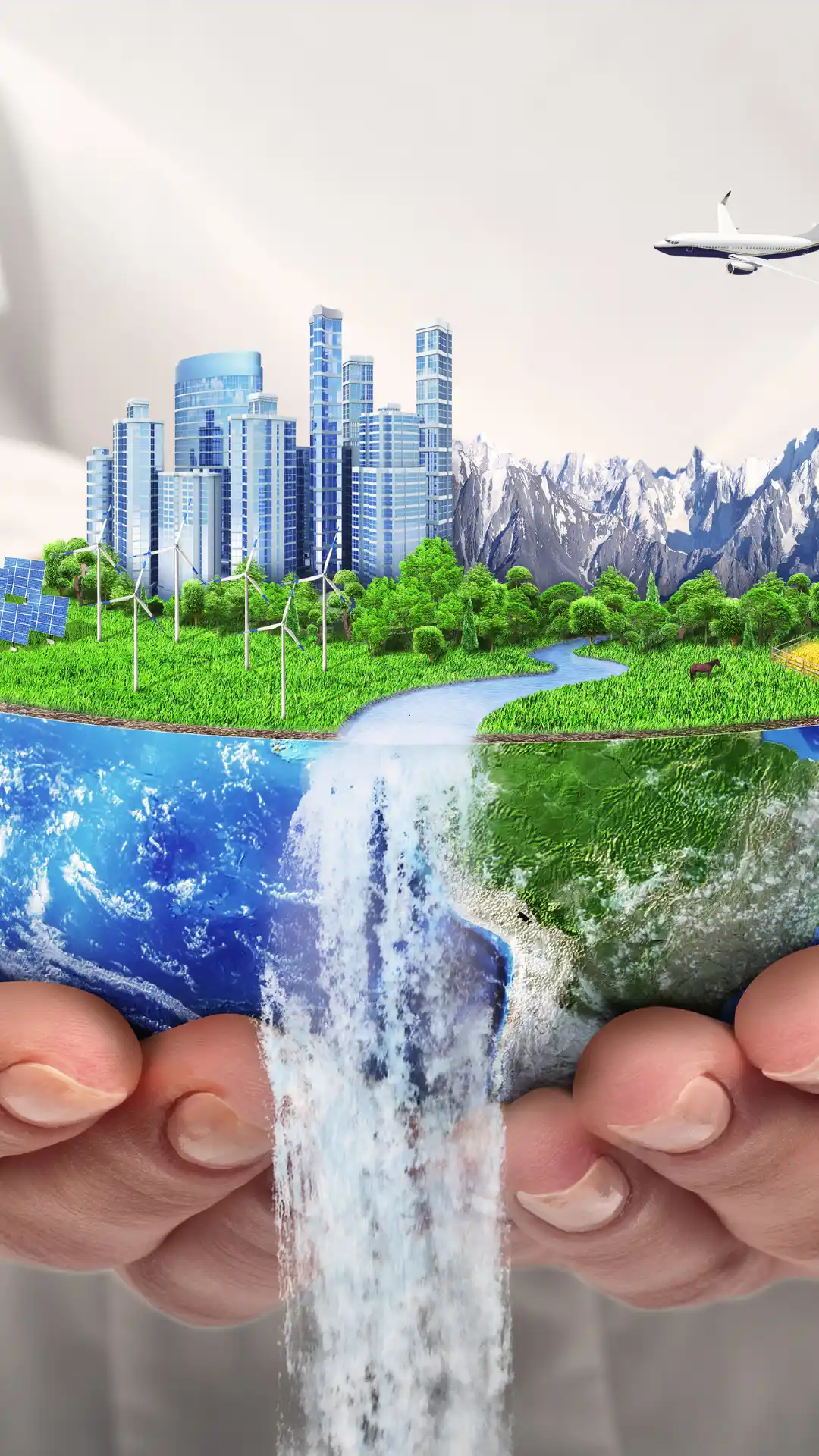
Industries Where Environmental Management Matters
Fire safety and risk assessment are relevant across virtually every sector where people, buildings, equipment, materials, and processes may create fire-related risks.
Construction & Infrastructure
Manage construction waste, environmental risks, pollution, resource use and sustainable project practices.
Energy & Utilities
Support environmental performance, emissions management, resource efficiency and sustainable energy operations.
Manufacturing
Control waste, emissions, pollution and resource consumption while improving environmental performance.
Oil & Gas
Manage environmental risks associated with exploration, production, processing, transportation and operations.
Agriculture & Food
Promote responsible resource use, waste reduction, biodiversity protection and sustainable production practices.
Transport & Logistics
Address emissions, fuel efficiency, waste management and environmental impacts across transport operations.
Healthcare
Manage healthcare waste, energy use, environmental risks and sustainable facility operations.
Facilities & Property Management
Improve energy efficiency, waste management, water use and environmental performance across buildings and facilities.
Hospitality & Tourism
Support sustainable tourism through responsible water, energy, waste and resource management.
Government & Public Services
Develop environmental policies, compliance systems, resource management and sustainability initiatives across public organisations.
Career Opportunities in Environmental Management
Environmental Management qualifications can support career development across a wide range of industries and professional roles.
Environmental Manager
Lead environmental programmes, compliance activities, risk controls and sustainability initiatives.
Environmental Officer
Support environmental monitoring, inspections, compliance and environmental improvement activities.
Sustainability Manager
Develop and implement sustainability strategies, resource-efficiency programmes and environmental targets.
Environmental Consultant
Advise organisations on environmental risks, compliance, assessments and sustainable practices.
Environmental Auditor
Evaluate environmental management systems, procedures and organisational environmental performance.
Environmental Compliance Officer
Monitor environmental requirements, identify compliance gaps and support corrective actions.
Waste Management Manager
Manage waste reduction, recycling, disposal processes and resource recovery programmes.
Environmental Risk Manager
Identify, assess and control environmental risks associated with organisational activities and operations.
Sustainability Coordinator
Coordinate sustainability projects, environmental initiatives, reporting and awareness programmes.
Environmental & Sustainability Director
Provide strategic leadership for environmental performance, sustainability governance and long-term organisational improvement.
Why Study Environmental Management?
Environmental Management qualifications help learners develop the knowledge and skills needed to address environmental challenges, improve organisational performance and support a more sustainable future.
Build Environmental Expertise
Develop a strong understanding of environmental management, sustainability, pollution prevention, waste and resource management.
Improve Sustainability Practices
Learn how organisations can reduce environmental impacts, improve resource efficiency and implement sustainable practices.
Strengthen Compliance Knowledge
Understand environmental responsibilities, regulatory requirements, risk controls and compliance processes.
Expand Career Opportunities
Build professional knowledge relevant to environmental management, sustainability, compliance, auditing and consultancy roles.
Improve Environmental Performance
Learn how to assess environmental performance, identify improvement opportunities and support continual improvement.
Prepare for a Sustainable Future
Gain relevant knowledge and professional capabilities to contribute to responsible environmental management and sustainable organisational development.
Skills You'll Develop
Environmental Management Qualifications help learners develop practical, professional and strategic skills for managing environmental responsibilities across different industries.
Why Choose Our Environmental Management Qualifications?
Choose qualifications designed to build practical environmental knowledge, strengthen professional capabilities and support career progression across a wide range of industries.
Industry-Relevant Curriculum
Develop knowledge aligned with current environmental management, sustainability and environmental performance needs.
Assignment-Based Learning
Demonstrate your knowledge through practical assignments that encourage you to apply environmental management principles to realistic workplace situations.
Flexible Learning Options
Study at a pace that fits around your professional and personal commitments, subject to the delivery format of the individual qualification.
Expert-Led Course Design
Learn from professionally developed content focused on environmental management, sustainability, risk management and workplace application.
Practical Workplace Skills
Develop job-relevant knowledge that can be applied to environmental risk, sustainability, resource efficiency and environmental management.
Clear Career Progression
Progress through environmental management qualification levels and build knowledge for greater professional responsibilities.
Dedicated Learner Support
Access guidance and support throughout your learning journey to help you understand requirements and successfully complete your qualification.
Internationally Relevant Standards
Develop environmental management knowledge informed by internationally recognised principles, practices and sustainability expectations.
Continuously Updated Content
Stay informed through learning content that reflects evolving environmental challenges, sustainability priorities and management practices.
Recognised Professional Development
Strengthen your professional profile with qualifications that demonstrate your knowledge and commitment to environmental management and sustainability.
Why Choose Inspire College of Technologies?
At Inspire College of Technologies, we provide a flexible, learner-centred education designed to help you achieve your academic and career goals. As an Approved Training Centre for internationally recognised awarding organisations, we deliver industry-focused qualifications that are trusted by employers and valued worldwide.
Our advanced e-learning and e-assessment portal gives you 24/7 access to course materials, assignments, learning resources, and progress tracking, allowing you to study anytime, anywhere, and at your own pace. Every learner is assigned a dedicated tutor and assessor, ensuring personalised guidance, timely feedback, and continuous academic support throughout the qualification. Our responsive 24/7 learner support system is always available to assist with academic, technical, and administrative enquiries, providing a seamless learning experience from enrolment to certification.
With assignment-based assessments, practical workplace-focused learning, flexible study options, expert academic support, and internationally recognised qualifications, Inspire College of Technologies equips you with the knowledge, skills, and confidence to advance your career and succeed in today's global workforce.
Frequently Asked Questions (FAQs)
Start Your Environmental Management Journey Today
Whether you're beginning your career in environmental management or progressing towards senior sustainability and environmental leadership responsibilities, our qualifications offer clear progression pathways from Level 3 through Level 8, helping you build the knowledge, skills and professional competence needed to manage environmental risks, improve sustainability and support effective environmental performance.