
Fire Safety Training (2026): Complete Guide, Certification & Workplace Safety
Fire safety training is a critical part of modern health and safety practices in 2026, driven by increasing workplace compliance requirements and the need to protect lives and property. Fires can start unexpectedly and spread rapidly, leaving little time to react. Without proper training and awareness of fire safety principles, even minor hazards can quickly escalate into serious incidents.
Fire safety training courses equip learners with the knowledge and practical skills needed to identify fire risks, apply fire safety measures, and respond effectively during emergencies. From understanding workplace hazards to using firefighting equipment correctly, training ensures individuals can act quickly and confidently when it matters most.
In today’s regulated environment, workplace fire safety training is not only important but a legal requirement. Beyond compliance, it strengthens overall fire safety awareness, reduces risks, and improves preparedness, ensuring safer environments in both workplaces and everyday settings.
What is Fire Safety Training?
Fire safety training is a structured program that teaches individuals how to prevent fires, identify fire hazards, and respond effectively during emergencies using proper fire safety procedures and equipment.
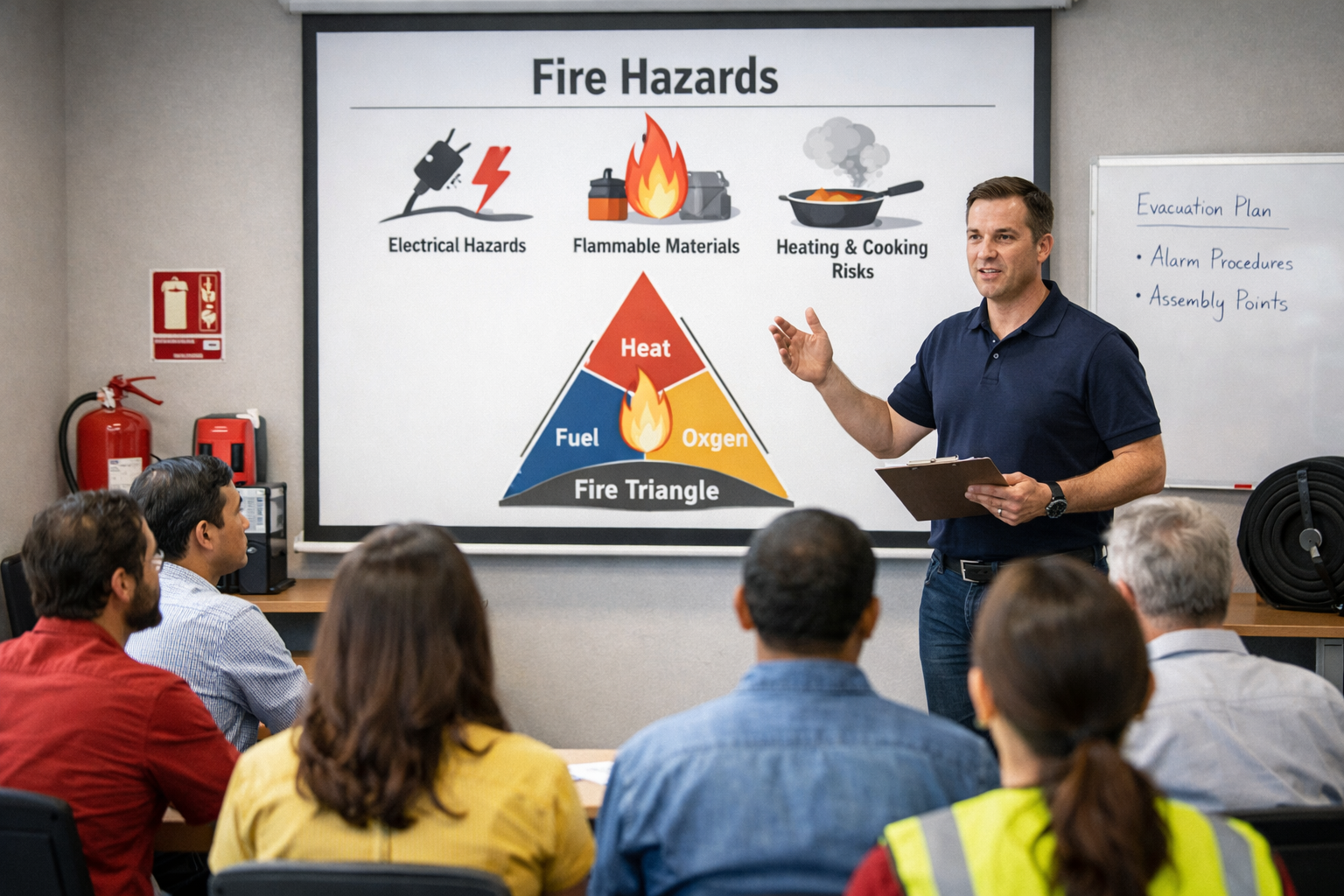
It provides essential knowledge of how fires ignite and spread, while enabling individuals to apply effective fire safety measures across various environments, including workplaces, industrial facilities, and residential settings. By combining awareness with practical skills, fire safety training equips individuals to respond quickly and confidently during emergencies, reducing risks and safeguarding lives and property.
Overall, the purpose of fire safety training is to enhance awareness, strengthen preparedness, and ensure a prompt and effective response to fire incidents. By implementing proper fire safety practices, individuals and organizations can significantly reduce fire risks and minimize potential damage to people, property, and operations.
Key Components of Fire Safety Training
Fire safety training is built around several essential components that work together to ensure individuals are fully prepared to prevent and respond to fire emergencies. A well-structured training program does not focus on just one aspect of safety; instead, it develops a complete understanding of fire risks, response techniques, and emergency procedures.
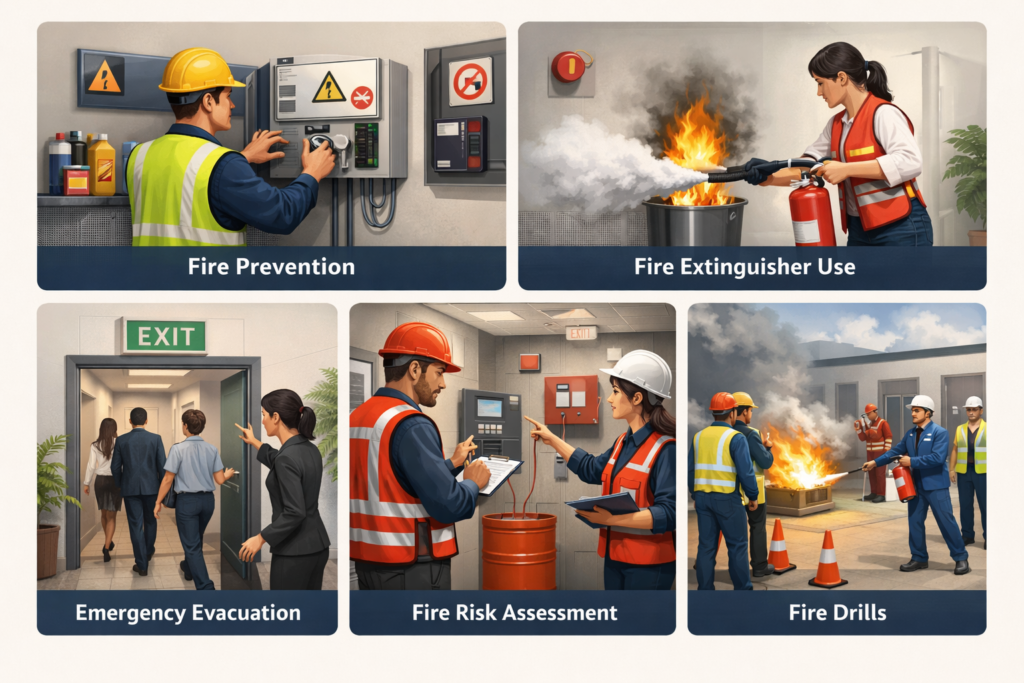
- Fire Prevention Techniques:
One of the most important elements of fire safety training is learning how to prevent fires before they occur. Participants are taught to recognize common causes of fire such as electrical faults, improper storage of flammable materials, human error, and poor housekeeping practices. The training emphasizes proactive measures, including safe equipment handling, regular maintenance, and adherence to safety protocols, to minimize fire risks in any environment. - Use of Fire Extinguishers:
Understanding how to use fire extinguishers correctly is a critical life-saving skill. Training covers different types of fire extinguishers, such as those used for electrical, chemical, or combustible fires, and explains when and how to use each type effectively. Participants also learn practical techniques, ensuring they can confidently operate extinguishers during an emergency without causing further danger. - Emergency Evacuation Procedures:
Effective evacuation planning is essential to ensure the safe and orderly exit of people during a fire incident. Fire safety training teaches individuals how to follow evacuation routes, respond to alarms, assist others, and avoid panic. It also highlights the importance of assembly points, communication systems, and clear exit signage to ensure everyone can evacuate quickly and safely. - Fire Risk Assessment:
Another key component is the ability to identify potential hazards and evaluate the level of risk in a specific environment. Participants learn how to conduct basic fire risk assessments, spot unsafe conditions, and implement appropriate control measures. This helps organizations reduce the likelihood of fire incidents and maintain a safer workplace. - Fire Drills and Simulations:
Practical experience is a vital part of fire safety training. Fire drills and simulated emergency scenarios allow individuals to apply their knowledge in a controlled setting. These exercises help build confidence, improve response times, and ensure that everyone understands their role during an actual emergency. Regular drills also help identify gaps in emergency planning and improve overall preparedness.
Why is Fire Safety Training Important?
Fire safety training is more than a basic requirement—it is a critical investment in protecting lives, safeguarding assets, and ensuring business continuity. Fires can develop rapidly, leaving little time to respond. Without proper knowledge and preparation, even a small incident can escalate into a serious emergency. Effective fire safety training equips individuals with the awareness, confidence, and practical skills needed to act quickly, reduce risks, and prevent avoidable losses.
Saves Lives
The primary objective of fire safety training is to protect human life. In emergency situations, a lack of training can lead to panic, confusion, and delayed action. Proper training provides clear guidance on evacuation procedures, use of escape routes, and assisting others safely. This enables individuals to respond quickly and effectively, significantly reducing the risk of injuries and fatalities.
Reduces Property Damage
Fires can cause severe damage to buildings, equipment, and valuable assets within minutes. However, with proper fire safety training, individuals can identify early warning signs and take immediate action. Knowing how to use fire extinguishers correctly and respond promptly helps control fires at an early stage, minimizing damage, reducing downtime, and protecting business operations.
Ensures Legal Compliance
In today’s regulatory environment, fire safety compliance is a legal requirement for organizations. Employers must implement safety measures, provide staff training, and conduct regular fire drills. Failure to comply can result in fines, legal action, and operational disruptions. Fire safety training ensures that businesses meet these legal obligations while maintaining a safe and compliant workplace.
Improves Emergency Response
A well-trained workforce can respond to fire emergencies with confidence and efficiency. Fire safety training prepares individuals to assess risks quickly, communicate effectively, and use firefighting equipment correctly. This coordinated response improves fire control and ensures a safer and more organized evacuation process.
Builds a Strong Safety Culture
One of the long-term benefits of fire safety training is the development of a strong safety culture. Regular training increases awareness, encourages responsible behavior, and promotes proactive risk management. Over time, this creates a safer environment where fire risks are minimized and prevention becomes a shared responsibility across the organization.
Fire Safety Training Legal Requirements in the UK (2026)
In the United Kingdom, fire safety training is a legal requirement under the Regulatory Reform (Fire Safety) Order 2005, which obligates employers to provide appropriate training to all employees based on their workplace environment. Organizations must identify and manage fire risks while ensuring staff are prepared to respond effectively in emergencies. Fire safety training should be delivered during employee induction and refreshed regularly to maintain compliance and ensure ongoing workplace safety.
Key legal responsibilities include:
- Conducting regular and documented fire risk assessments
- Providing suitable and sufficient fire safety training for all employees
- Appointing competent and trained fire wardens or responsible persons
- Ensuring the maintenance and proper functioning of fire safety equipment and emergency systems
- Organizing routine fire drills and clearly defined evacuation procedures
Failure to comply with these legal requirements may result in significant penalties, including fines, enforcement actions, and operational disruption. More critically, non-compliance can place lives at serious risk and compromise workplace safety.By adhering to UK fire safety legislation, organizations not only meet their legal obligations but also foster a safer, more resilient, and well-prepared working environment.
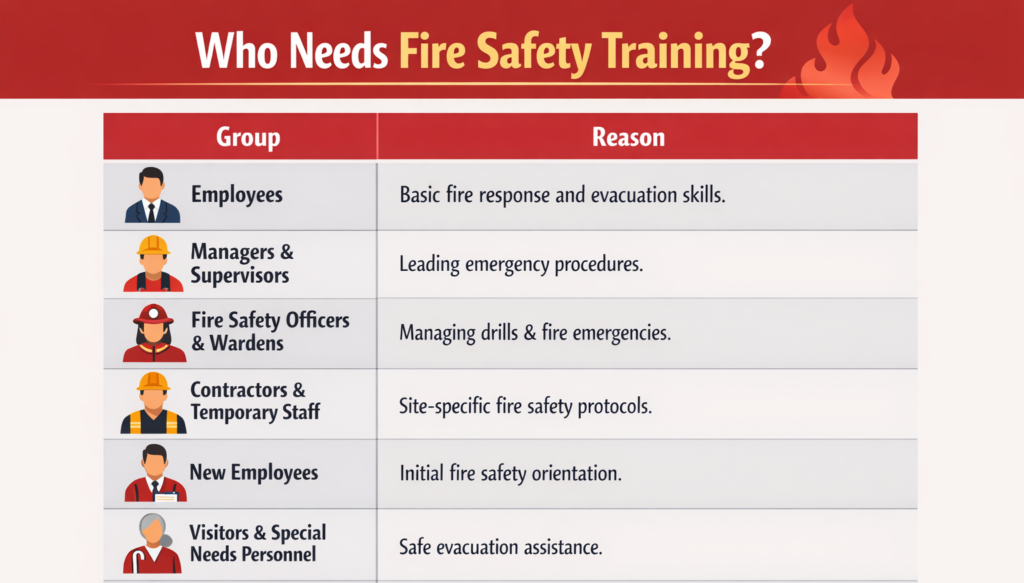
Who Needs Fire Safety Training?
Fire safety training is essential for anyone who lives, works, or manages environments where fire risks may exist. Fires do not discriminate—they can occur in homes, offices, construction sites, or industrial facilities. Therefore, having the right knowledge and preparedness is important for a wide range of individuals. Whether for professional responsibility or personal safety, fire safety training ensures that people can prevent incidents and respond effectively in emergencies.
- Employees in Offices and Industries:
Employees working in offices, factories, and commercial environments are often exposed to potential fire hazards such as electrical equipment, machinery, and flammable materials. Fire safety training helps them understand workplace risks, follow safety procedures, and respond appropriately in case of an emergency, ensuring both personal and team safety. - Construction and Site Workers:
Construction sites are high-risk environments where fire hazards such as welding, electrical installations, and combustible materials are common. Workers on-site must be trained to identify these risks, use fire safety equipment, and follow strict safety protocols to prevent accidents and ensure a safe working environment. - Safety Officers and Supervisors:
Safety officers and supervisors play a critical role in maintaining workplace safety. They are responsible for implementing fire safety measures, conducting risk assessments, and ensuring compliance with regulations. Advanced fire safety training equips them with the expertise needed to manage emergencies and enforce safety standards effectively. - Facility and Building Managers:
Individuals responsible for managing buildings, whether residential, commercial, or industrial, must ensure that fire safety systems are in place and functioning properly. Fire safety training enables them to oversee evacuation plans, maintain equipment, and coordinate emergency responses to protect occupants and property. - Homeowners and the General Public:
Fire safety is not limited to workplaces. Homeowners and the general public also face risks from everyday activities such as cooking, heating, and electrical usage. Basic fire safety training helps individuals recognize hazards, create emergency plans, and respond quickly to protect themselves and their families in case of a fire.
Overall, fire safety training is a shared responsibility that benefits everyone. By ensuring that individuals across different roles and environments are properly trained, the risk of fire incidents can be significantly reduced, and lives can be better protected.
Types of Fire Safety Training Programs
Fire safety training is not a one-size-fits-all approach. Different environments, roles, and risk levels require specialized training programs to ensure maximum effectiveness. As a result, a variety of fire safety training programs have been developed to meet the specific needs of individuals, workplaces, and industries. Each type of training focuses on particular skills, responsibilities, and levels of expertise.
- Basic Fire Safety Awareness Training:
This is the foundational level of fire safety training designed for all individuals, regardless of their role or industry. It provides a clear introduction to common fire hazards, causes of fire incidents, and essential prevention techniques. Participants learn how to recognize risks, respond to fire alarms, and follow basic evacuation procedures. This type of training is ideal for employees, homeowners, and anyone seeking general awareness of fire safety practices. - Fire Marshal Training:
Fire marshal training is an advanced program intended for individuals who are assigned specific responsibilities during fire emergencies. Fire marshals or wardens play a key role in managing evacuations, guiding occupants to safety, and ensuring that fire safety procedures are followed. This training covers leadership during emergencies, coordination with emergency services, use of firefighting equipment, and conducting fire drills. It is essential for organizations that require designated personnel to oversee safety measures. - Industry-Specific Fire Safety Training:
Different industries face unique fire risks, which require tailored training programs. For example, construction sites deal with hazards such as hot work and flammable materials, while healthcare facilities must focus on patient evacuation and specialized equipment. Manufacturing units may require training on handling chemicals and machinery safely. Industry-specific training addresses these unique challenges, ensuring that workers are equipped with relevant knowledge and practical skills suited to their work environment. - Online and Practical Training:
Modern fire safety training often combines flexible online learning with hands-on practical sessions. Online training allows participants to learn theoretical concepts at their own pace, making it convenient and accessible. Practical training, on the other hand, provides real-life experience through demonstrations, simulations, and equipment handling. This blended approach ensures that individuals not only understand fire safety principles but can also apply them confidently in real-world situations.
By offering a range of training programs, fire safety education becomes more effective, targeted, and accessible. Organizations and individuals can choose the most appropriate type of training based on their needs, ensuring better preparedness and a higher level of safety.
| Training Program | Focus / Content | Ideal Audience |
|---|---|---|
| Fire Extinguisher Training | Types of extinguishers, correct usage, safety techniques | Employees, safety personnel |
| Evacuation & Emergency Drills | Escape routes, assembly points, emergency procedures | Employees, supervisors, facility staff |
| Fire Prevention & Safety Training | Hazard identification, prevention strategies, safety policies | All employees, industry workers |
| Fire Warden Training | Emergency roles, evacuation control, coordination | Fire wardens, HSE officers |
| First Aid & Emergency Response | Basic first aid, CPR, emergency handling | Designated staff, safety teams |
Fire Safety Training Trends and Updates in 2026
Fire safety training in 2026 continues to evolve with advancements in technology and increasing regulatory expectations. Key trends shaping modern fire safety training include:
- Adoption of Online and Blended Learning:
Organizations are increasingly using online platforms combined with practical, on-site sessions. This approach improves accessibility while maintaining hands-on training effectiveness. - Scenario-Based and Realistic Training:
Training programs now focus on real-life emergency scenarios, enabling learners to develop faster decision-making skills and respond confidently under pressure. - Enhanced Focus on Risk Awareness:
Greater emphasis is placed on identifying hazards in real time and promoting proactive fire prevention strategies in the workplace. - Stricter Compliance Requirements:
Regulatory expectations now require organizations to maintain updated training records, conduct regular refresher sessions, and ensure continuous compliance with workplace safety standards. - Integration of Modern Technologies:
Advanced tools such as digital learning platforms and simulation-based training are improving engagement and knowledge retention.
These trends highlight the importance of selecting up-to-date fire safety training programs that align with current industry practices and legal requirements.
Fire Safety Training Requirements
Fire safety training requirements may vary depending on the country, industry, and workplace environment, but most regulations share common principles aimed at ensuring safety, preparedness, and compliance. Organizations are expected to follow these essential requirements to reduce fire risks and protect lives and property.
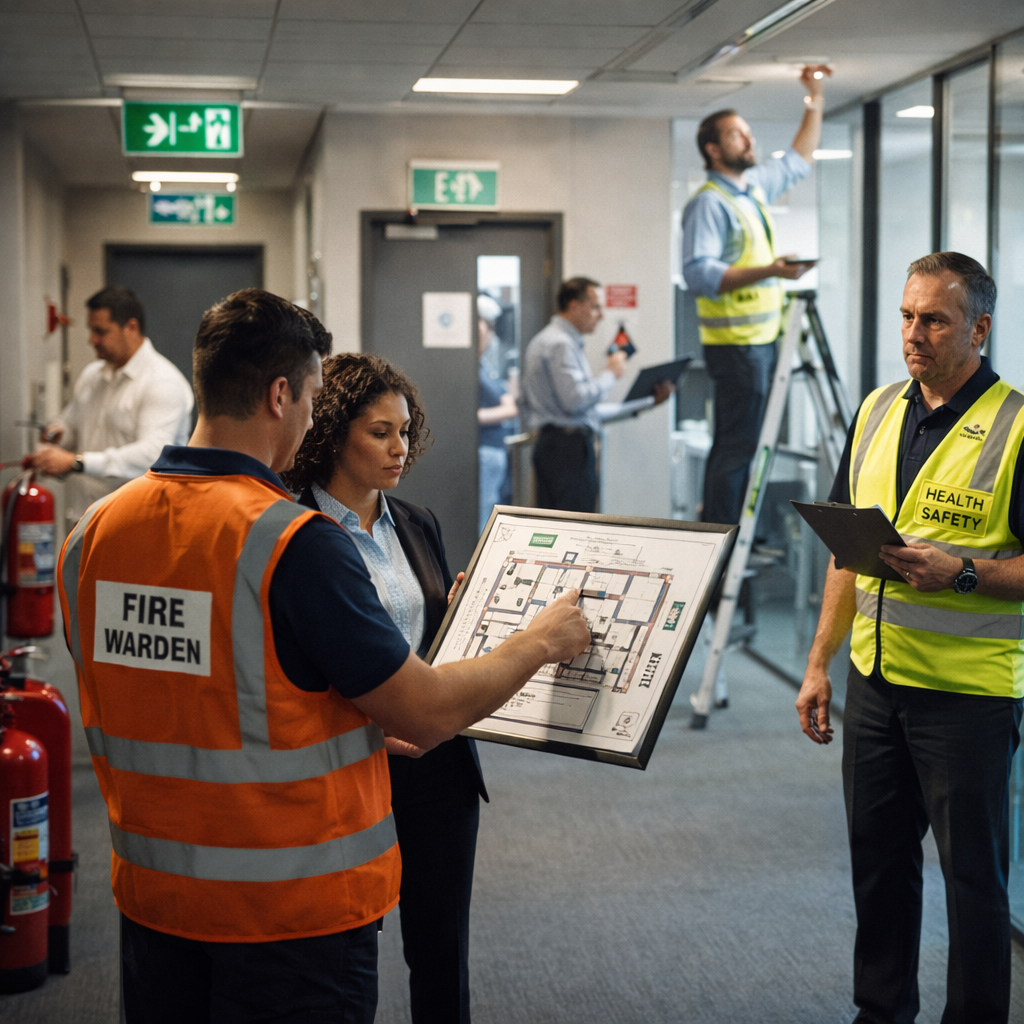
- Regular fire safety training for employees to ensure they understand fire hazards, prevention methods, and emergency procedures
- Providing induction training for new employees and refresher training for existing staff to keep knowledge up to date
- Conducting fire drills and emergency evacuation exercises to test preparedness and improve response time
- Establishing clear evacuation plans, emergency exits, and designated assembly points
- Maintaining fire safety equipment such as fire extinguishers, smoke detectors, alarms, and sprinkler systems in proper working condition
- Carrying out routine inspections and servicing of all fire protection systems
- Performing regular fire risk assessments to identify hazards and implement control measures
- Updating risk assessments whenever there are changes in the workplace, such as new equipment or processes
- Assigning trained personnel such as fire wardens or safety officers to manage emergencies
- Ensuring compliance with local fire safety laws, regulations, and relevant international safety standards
Organizations must continuously monitor and update their fire safety practices to remain compliant and create a safe, well-prepared environment for everyone.
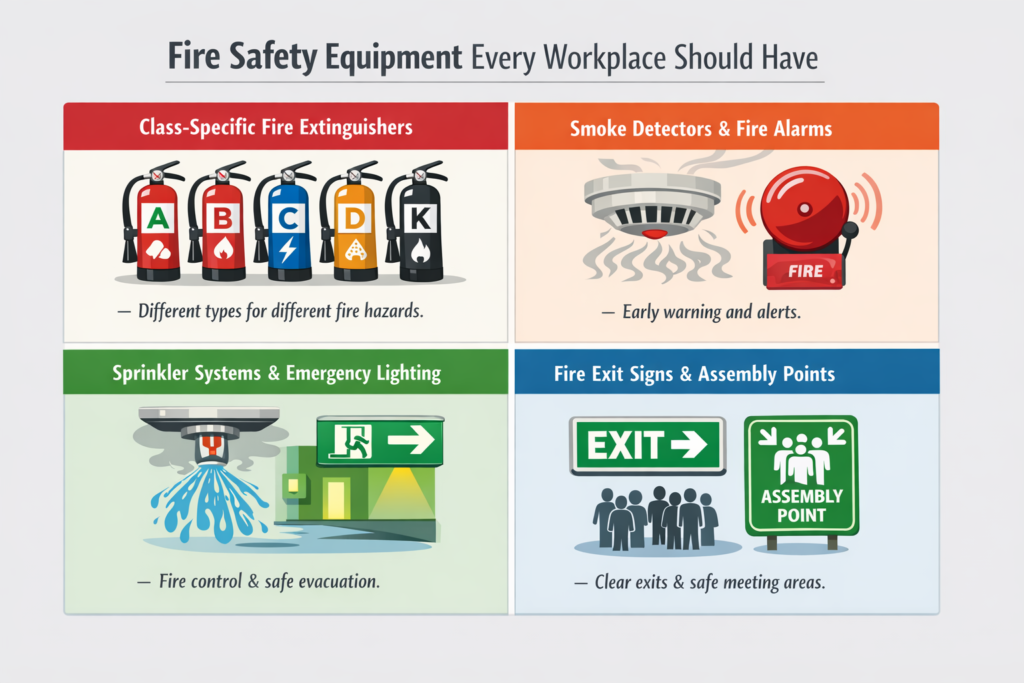
Fire Safety Equipment Every Workplace Should Have
Fire safety in the workplace depends not only on trained personnel but also on having the right equipment readily available. Proper fire safety equipment can significantly reduce the severity of incidents, protect lives, and minimize property damage. For a deeper look at how industrial facilities implement these measures and manage fire risks, you can read our Industrial Fire Safety blog. Every organization, regardless of size or industry, should ensure that its premises are equipped with essential fire protection systems and that employees know how to use them effectively.
Fire Extinguishers
Fire extinguishers are the first line of defense against small fires. It is crucial to provide the correct type for different fire hazards:
- Class A: For ordinary combustibles such as wood, paper, and textiles
- Class B: For flammable liquids like gasoline or paints
- Class C: For electrical fires
- Class D: For combustible metals
- Class K: For kitchen fires involving oils and fats
Employees should be trained in their correct usage and placement to ensure quick and safe response during emergencies. Regular maintenance and inspection are also required to ensure extinguishers are fully operational.
Smoke Detectors and Fire Alarms
Smoke detectors and fire alarms serve as early warning systems, providing critical time for evacuation before a fire spreads. These systems should be installed in key areas, tested regularly, and maintained to ensure reliability. Alarms should be loud and clearly audible in all parts of the workplace, and staff should be trained to respond immediately when alarms are triggered.
Sprinkler Systems and Emergency Lighting
Automatic sprinkler systems can contain or suppress fires before they escalate, significantly reducing damage and risk to occupants. Emergency lighting is equally important, as it ensures safe navigation during power outages or when smoke obscures visibility. Both systems should be tested regularly, and their coverage should be appropriate for the building layout and occupancy.
Fire Exit Signage and Assembly Points
Clear, visible fire exit signs are essential to guide occupants to safety quickly. Exit routes should be unobstructed and easy to follow, even in low visibility conditions. Designated assembly points outside the building provide a safe location for all personnel to gather after evacuation, enabling a headcount and ensuring that everyone has exited safely.
How to Choose the Right Fire Safety Training Course
Selecting the most appropriate fire safety training course is essential to ensure regulatory compliance, operational effectiveness, and long-term workplace safety. With a wide range of training options available, both individuals and organizations must evaluate key factors to make an informed and strategic decision.
Course Type:
The selection of course type should align with the learner’s role and workplace responsibilities. Options may include basic fire safety awareness training, fire marshal or warden training, and advanced fire safety or risk management qualifications. Identifying the level of responsibility and exposure to fire risks is critical in choosing the most suitable program.
Delivery Method:
Training can be delivered through online, classroom-based, or blended learning formats. Online courses provide flexibility and accessibility, particularly for remote learners, while in-person or practical training offers valuable hands-on experience. A blended approach often delivers the most comprehensive learning outcome by combining theoretical knowledge with practical application.
Certification and Accreditation:
It is important to select courses that offer recognized and accredited certifications aligned with industry standards. Accredited training programs enhance professional credibility, ensure compliance with regulatory requirements, and support career advancement within health and safety roles.
Duration and Level:
Fire safety training courses vary in duration and complexity, ranging from short introductory sessions to advanced diploma-level qualifications. Learners should choose a course that reflects their current knowledge, professional experience, and desired progression.
Cost and Value:
While cost is an important consideration, it should not outweigh the quality and effectiveness of the training. Investing in a reputable and well-structured program ensures greater value through improved safety outcomes, compliance assurance, and enhanced professional competence.
By carefully assessing these factors, individuals and organizations can select a fire safety training course that delivers measurable value, strengthens safety practices, and meets all relevant legal and professional requirements.
Fire Safety Awareness Courses
A wide range of fire safety training courses are available to support individuals and organizations at different levels of expertise, from basic awareness to advanced professional qualifications. These courses are designed to develop practical skills, enhance workplace compliance, and provide recognized certifications that support career progression in fire safety and risk management. Below are some of the key fire safety training programs that offer structured learning and industry-relevant knowledge:
- Qualsafe Level 1 Award in Fire Safety Awareness (RQF)
- Qualsafe Level 2 Award in Fire Safety (RQF)
- ProQual Accredited Certified Fire Safety Training Course
- ProQual Level 5 Diploma in Fire Safety and Risk Management
- ICTQual Level 4 Diploma Senior Fire Safety Advisor
- ICTQual Level 6 Diploma Senior Fire Safety Advisor
- ICTQual AB Level 6 International Diploma in Fire Safety & Firefighting Technology
Key Benefits of Fire Safety Training Courses
- Develop practical fire prevention and response skills
- Gain recognized fire safety certifications
- Improve workplace safety and compliance
- Enhance career opportunities in safety roles
- Build confidence in real emergency situations
Career Opportunities in Fire Safety
Fire safety training not only enhances personal and workplace safety but also opens the door to a wide range of rewarding and in-demand career opportunities. As organizations place increasing importance on health, safety, and regulatory compliance, professionals with fire safety knowledge and certifications are highly valued across multiple industries. These roles offer strong career growth, job stability, and opportunities to work in diverse sectors.
Key Fire Safety Careers:
Fire Safety Officer
Responsible for implementing fire safety policies, conducting inspections, ensuring compliance, and training staff on emergency procedures.
Health and Safety (HSE) Officer
Oversees workplace safety, including fire prevention, risk assessments, and compliance with safety regulations.
Fire Risk Assessor
Identifies fire hazards, evaluates risks, and recommends control measures to ensure compliance and prevent incidents.
Safety Trainer or Instructor
Delivers fire safety training programs, focusing on prevention, equipment use, and emergency response skills.
Emergency Response Coordinator
Manages emergency plans, evacuation procedures, and coordination with emergency services during fire incidents.
Fire Safety Salary Overview (UK)
| Job Role | Average Salary (UK) | Typical Range | Experience Level |
|---|---|---|---|
| Fire Safety Officer | ~£35,000 | £28,000 – £45,000 | Entry to Mid-Level |
| Health and Safety (HSE) Officer | ~£38,000 | £30,000 – £50,000 | Mid-Level |
| Fire Risk Assessor | ~£42,000 | £35,000 – £60,000 | Mid to Senior |
| Safety Trainer / Instructor | ~£35,000 | £28,000 – £48,000 | Mid-Level |
| Emergency Response Coordinator | ~£45,000 | £35,000 – £65,000 | Senior Level |
Career Progression in Fire Safety
A career in fire safety offers clear progression pathways based on experience and qualifications:
- Entry Level: Fire Safety Assistant / Technician
- Mid-Level: Fire Safety Officer / HSE Officer
- Senior Level: Fire Risk Assessor / Fire Safety Manager
- Advanced Roles: Fire Safety Consultant / Senior Advisor
With advanced certifications and practical experience, professionals can move into leadership positions, consultancy roles, or specialized industries requiring high-level fire safety expertise.
Conclusion
Fire safety training is more than a regulatory requirement—it is a vital measure for protecting lives, property, and the environment. By developing essential knowledge and practical skills, it enables individuals to prevent fire incidents, respond effectively in emergencies, and minimize the overall impact of fire-related risks.
In today’s safety-focused world, preparedness is essential across all environments, from homes to high-risk workplaces. A strong understanding of fire safety practices not only improves awareness but also builds confidence, allowing individuals to act quickly and responsibly when it matters most. Those looking to enhance their skills and knowledge can explore a range of fire safety training courses designed to meet different needs and professional requirements.
By prioritizing fire safety awareness and continuous learning, individuals and organizations can create safer environments, reduce potential hazards, and contribute to long-term safety and resilience.
Explore More Fire Safety Career & Compliance Guides
Expand your expertise with our in-depth articles on fire safety careers, risk assessment, workplace compliance, fire protection systems, and health and safety management to strengthen your professional knowledge and support career progression.
- What is Fire Safety?
- Fire Risk Assessment: Step-by-Step Guide for Businesses (2026)
- Fire Safety Equipment: Complete Guide for Homes and Workplaces (2026)
- Fire Safety: Essential Tips for Homes and Workplaces
- Industrial Fire Safety: Complete Guide to Risk Assessment, Hazards & Prevention (2026)
- Fire Safety Training (2026)
- Level 4 Diploma in Fire Safety
- Senior Fire Safety Advisor vs Fire Safety Officer: What’s the Difference?