
Top 10 Fire Hazards in Workplace & Home (Prevention Guide 2026)
Fire hazards are a leading cause of accidents in homes, workplaces, and industrial environments, often resulting in serious injuries, property damage, and even loss of life. These risks commonly arise from everyday activities such as overloaded electrical systems, faulty wiring, improper storage of flammable materials, and unsafe use of heating equipment. Because they often develop gradually and appear harmless, many fire hazards go unnoticed until a small ignition source triggers a major incident. This makes early identification and awareness critical in preventing potentially devastating outcomes.
Although largely preventable, fire hazards continue to pose significant risks due to lack of awareness, poor maintenance practices, and insufficient fire safety training. Without regular inspections and proper precautions, minor issues can quickly escalate into dangerous situations. Implementing effective fire hazard prevention strategies—such as routine maintenance, safe handling of materials, and adherence to safety guidelines—is essential for reducing risks. A proactive approach not only protects lives and property but also ensures a safer, more compliant, and resilient environment.
What Are Fire Hazards?
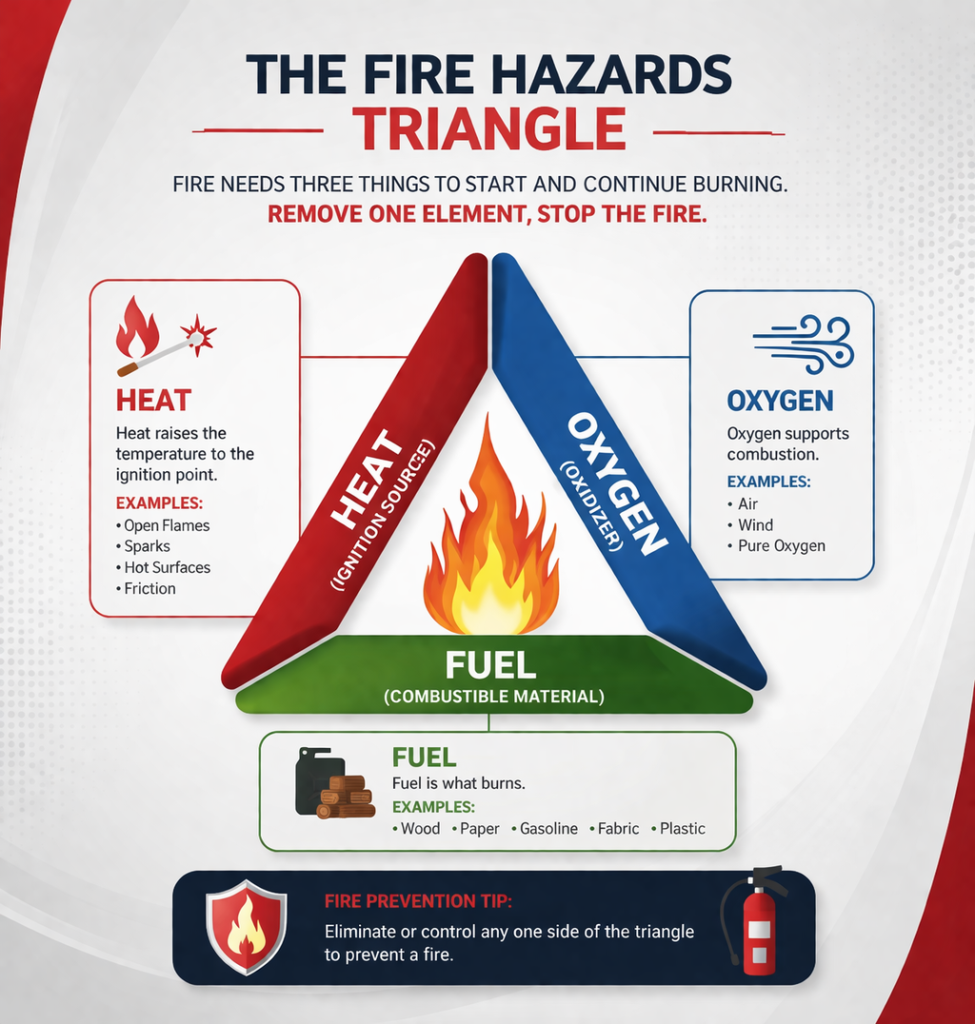
Fire hazards are conditions, materials, or activities that can cause a fire to start, spread, or become more severe. Common fire hazards include faulty electrical wiring, overloaded circuits, flammable materials, unattended cooking, and unsafe use of heating equipment. Identifying and controlling fire hazards is essential to prevent fire incidents and ensure safety in homes, workplaces, and industrial environments.
Fire hazards can develop gradually due to poor maintenance, unsafe practices, or lack of awareness, and they are often overlooked until a fire occurs. These risks may include blocked emergency exits, accumulation of combustible materials, and absence of proper fire detection or suppression systems. Because fire hazards can escalate quickly when combined with an ignition source, early identification and regular inspections are critical.
Understanding fire hazards is a key component of fire safety management. By conducting proper risk assessments, maintaining equipment, and following safety guidelines, individuals and organizations can reduce fire risks, improve compliance, and create a safer, more resilient environment.
Why Fire Hazard Awareness Is Important
Fire hazard awareness is essential for preventing fires and ensuring safety in homes, workplaces, and industrial environments. Many fire incidents occur because risks are ignored or underestimated, leading to serious consequences such as injuries, property damage, and financial loss. By identifying fire hazards early and following proper safety practices, individuals and organizations can significantly reduce risks and improve overall safety.
Proper fire hazard awareness helps to:
- Prevent fire outbreaks before they occur by identifying potential ignition sources and eliminating risks in advance
- Reduce the risk to human life by ensuring safe practices and minimizing exposure to dangerous situations
- Protect valuable assets and infrastructure from costly damage, downtime, and long-term losses
- Ensure compliance with fire safety regulations and legal requirements, avoiding penalties and maintaining operational standards
- Improve emergency preparedness by enabling faster, more effective responses during fire incidents
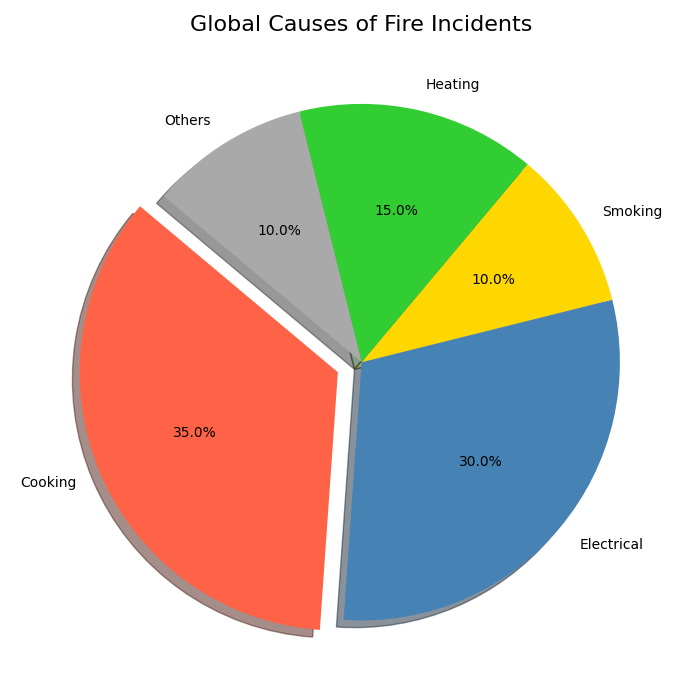
Ultimately, fire hazard awareness is not just about recognizing risks—it is about creating a culture of safety, responsibility, and preparedness that helps prevent disasters and protects both people and property. To gain deeper insights into fire prevention strategies and the importance of professional training, you can explore this detailed guide on training
Top 10 Fire Hazards in Workplace and Home
1. Faulty Electrical Systems and Overloaded Circuits
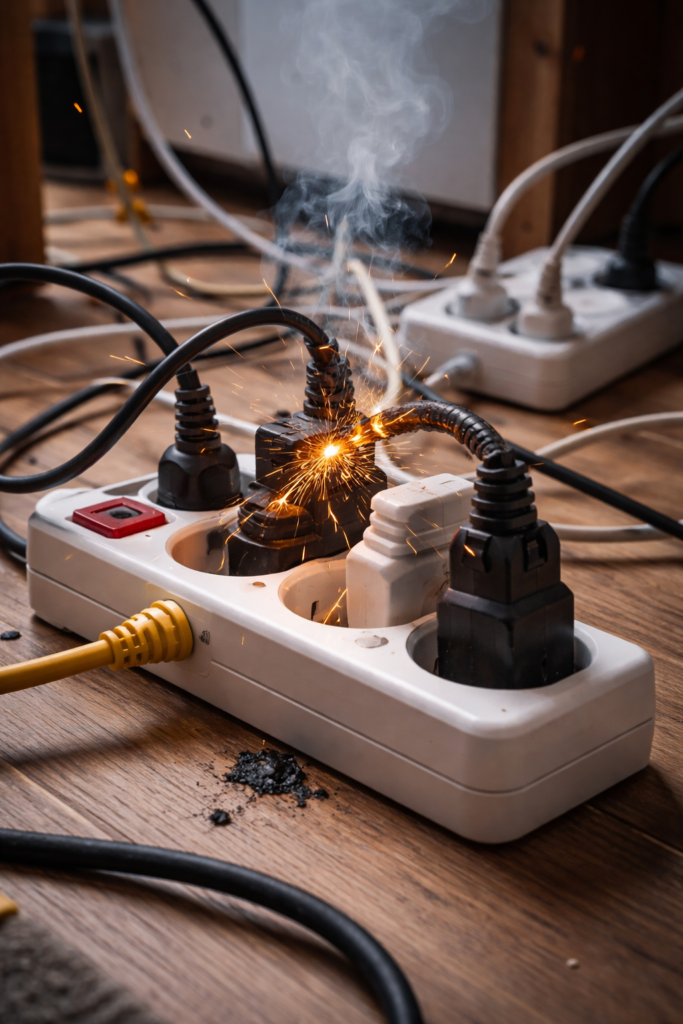
Faulty electrical systems and overloaded circuits are a major cause of fire hazards in homes and workplaces. Outdated wiring, poor installation, and excessive electrical load can lead to overheating, sparks, and ignition of nearby materials. These risks often remain hidden, but warning signs such as damaged cables or frequently tripping circuits should never be ignored.
Common Risks
- Overloading extension leads and power strips
- Exposed or damaged wiring
- Outdated or poorly installed electrical systems
- Faulty appliances generating excessive heat
- Loose connections or worn-out sockets
Prevention Tips
- Avoid overloading electrical outlets
- Inspect wiring and appliances regularly
- Replace damaged cables immediately
- Use qualified electricians for installations and repairs
- Install circuit breakers and surge protectors
- Upgrade outdated electrical systems
Maintaining electrical safety is essential for fire hazard prevention, helping reduce risks and ensure a safe and reliable environment.
2. Flammable Materials Stored Improperly
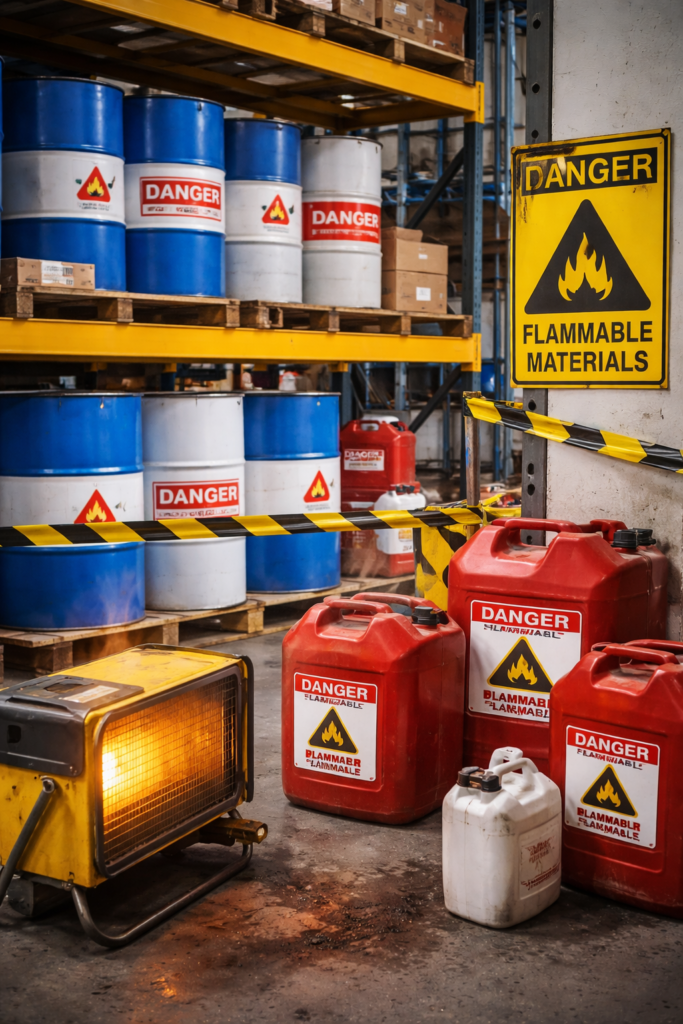
Flammable materials such as gasoline, diesel, paints, solvents, and industrial chemicals are a major source of fire hazards in homes and workplaces. These substances can ignite easily when exposed to heat, sparks, or open flames. When stored improperly, they release vapors that can accumulate in enclosed or poorly ventilated spaces, significantly increasing the risk of fire or explosions.
Common Risks
- Storing fuels or chemicals near heat sources like heaters or electrical panels
- Keeping flammable liquids in unventilated or confined spaces
- Using damaged or unapproved containers that can leak vapors
- Placing materials in high-temperature areas or direct sunlight
- Mixing incompatible chemicals that may react and increase fire risk
Prevention Tips
- Store materials in approved and sealed safety containers
- Keep substances away from sparks, flames, and hot surfaces
- Ensure storage areas are cool, dry, and well-ventilated
- Use designated cabinets for hazardous materials storage
- Follow manufacturer guidelines and safety regulations
- Limit storage to necessary quantities only
Proper handling and storage of flammable materials are essential for fire hazard prevention and workplace safety compliance, helping reduce risks and maintain a safe and controlled environment.
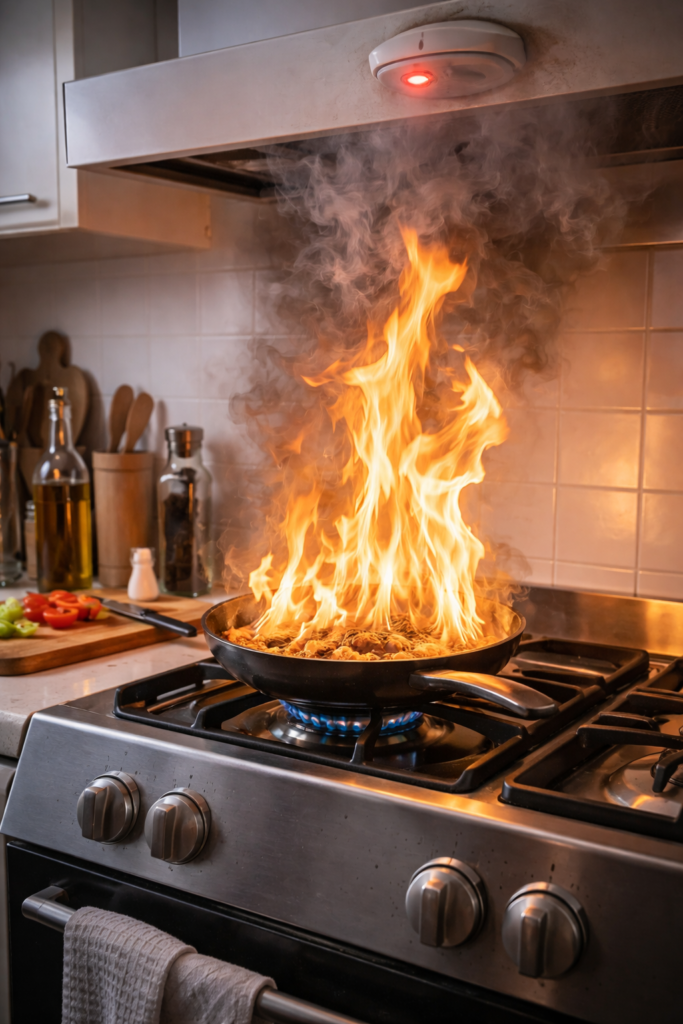
3. Unattended Cooking Equipment
Unattended cooking equipment is one of the leading causes of fire hazards in homes and commercial kitchens. Cooking involves high temperatures, open flames, and hot oils, which can quickly become dangerous if left unsupervised. Even a short distraction can cause heat to build up, leading to ignition of food, grease, or nearby materials and resulting in fast-spreading kitchen fires.
Common Risks
- Leaving cooking unattended on stoves, ovens, or grills
- Overheating oil or grease causing sudden ignition
- Distracted cooking due to multitasking or phone use
- Food burning or boiling over onto heat sources
- Improper use of equipment without supervision
Prevention Tips:
- Never leave cooking equipment unattended, especially on high heat
- Stay focused and avoid distractions while cooking
- Keep flammable items away from stoves and cooking areas
- Use timers or alarms to monitor cooking time
- Turn off appliances immediately after use
- Keep a fire extinguisher or fire blanket accessible
Maintaining safe cooking practices is essential for fire hazard prevention, helping reduce the risk of kitchen fires and ensuring a safe cooking environment at all times.
4. Smoking Indoors or Carelessly
Smoking indoors or handling smoking materials carelessly is a major cause of fire hazards in homes and workplaces. Lit cigarettes, cigars, or other smoking materials can easily ignite flammable items such as furniture, bedding, curtains, and paper. These fires often start slowly and go unnoticed, making them especially dangerous and difficult to control in the early stages.
Common Risks
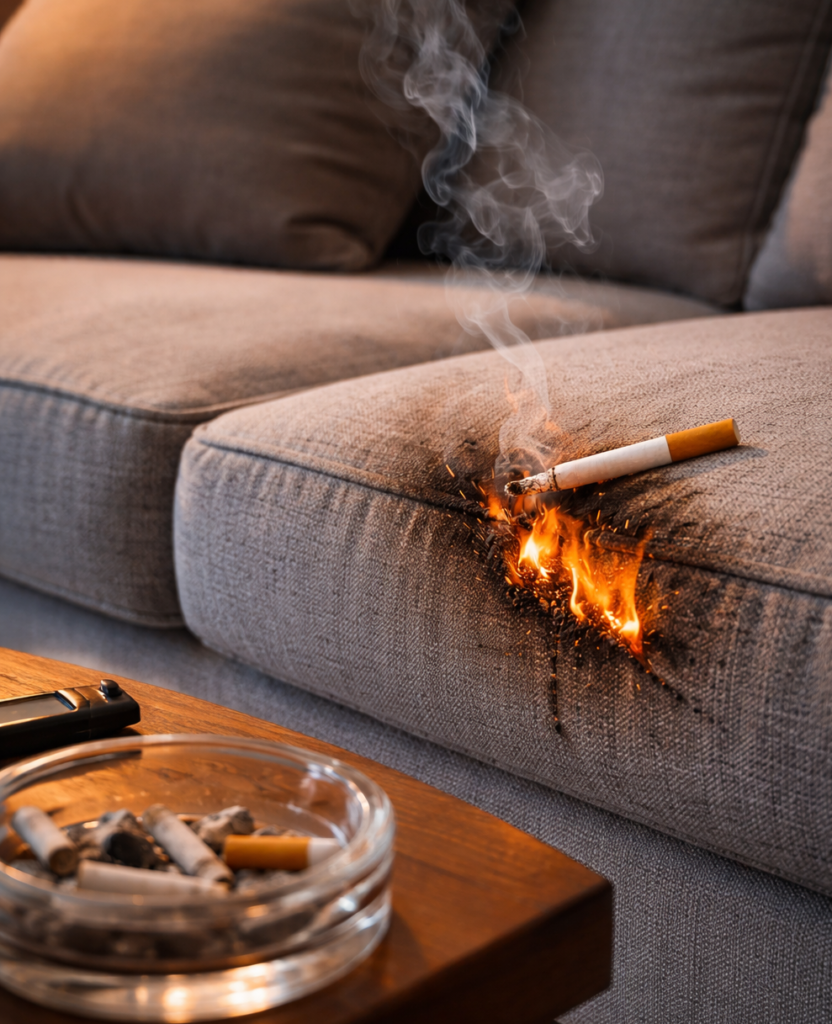
- Smoking in bed or on sofas where fabrics can ignite easily
- Falling asleep while smoking leaving materials unattended
- Improper disposal of cigarettes in bins with combustible waste
- Using unstable ashtrays that can tip over
- Smoking near flammable substances such as liquids or gases
Prevention Tips:
- Use stable, non-combustible ashtrays for cigarette disposal
- Never smoke in bed or while feeling tired
- Ensure cigarettes are fully extinguished before disposal
- Avoid disposing cigarette butts in regular waste bins
- Keep smoking areas free from flammable materials
- Designate safe smoking areas, preferably outdoors
Practicing safe smoking habits is essential for fire hazard prevention, helping reduce risks and protect both people and property from preventable fire incidents.
5. Clutter and Poor Housekeeping
Clutter and poor housekeeping are common fire hazards in homes, workplaces, and industrial environments. Accumulated materials such as paper, cardboard, packaging, and waste act as highly combustible fuel, increasing the risk of fire ignition and rapid spread. When these materials are stored near heat sources or electrical equipment, the danger becomes significantly higher.
Common Risks
- Accumulation of combustible materials like paper, cardboard, and waste
- Blocked emergency exits and escape routes
- Dust and debris buildup in work areas
- Poorly organized storage increasing fire load
- Overflowing bins and unmanaged waste
Prevention Tips
- Maintain clean, organized, and clutter-free environments
- Keep emergency exits and pathways clear at all times
- Dispose of waste regularly using proper systems
- Store materials safely away from heat and electrical sources
- Conduct routine housekeeping inspections
- Promote a workplace culture focused on safety and cleanliness
Effective housekeeping is a simple yet essential fire hazard prevention measure, helping reduce fire risks and ensuring safer evacuation and emergency response.
6. Faulty or Missing Fire Safety Equipment
Faulty or missing fire safety equipment is a serious fire hazard that can increase the severity of fire incidents in homes and workplaces. Devices such as smoke alarms, fire extinguishers, and fire detection systems are essential for early warning and quick response. When these systems are not installed, poorly maintained, or non-functional, fires can go undetected and spread rapidly, leading to greater damage and risk to life.
Common Risks
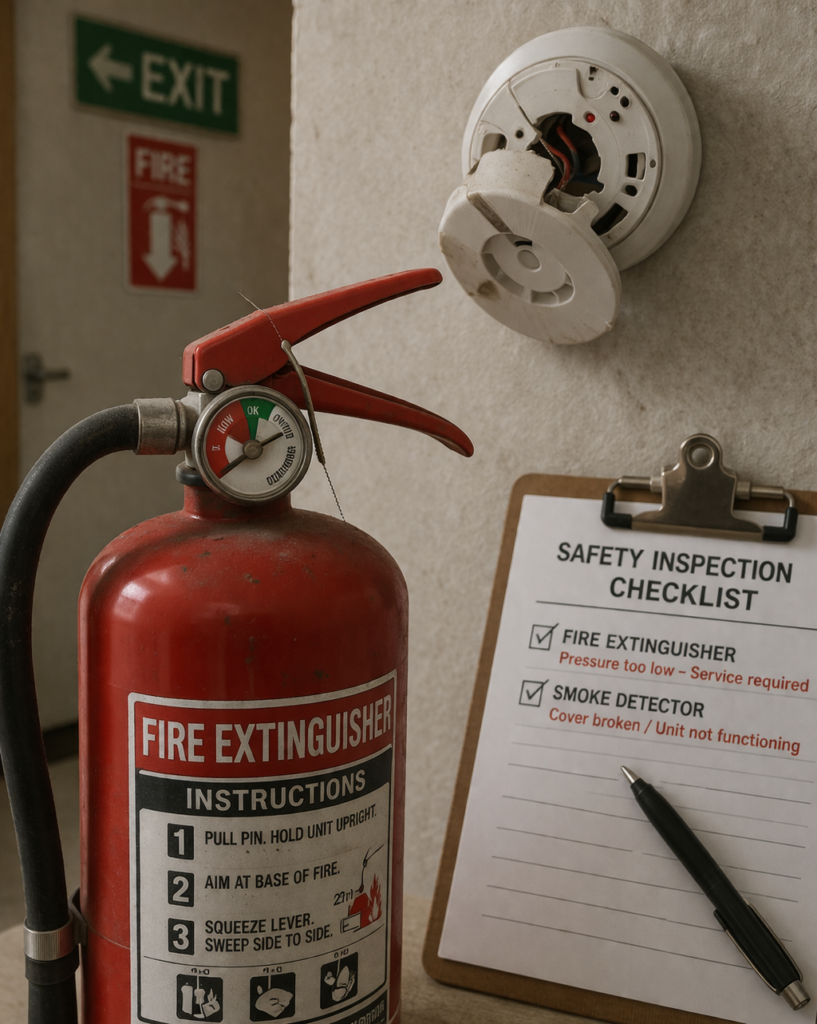
- Non-functional smoke alarms that fail to detect fire or smoke
- Expired or unserviced fire extinguishers that may not work properly
- Lack of fire detection systems in high-risk environments
- Missing or inadequate suppression systems such as sprinklers
- Poor placement of equipment making access difficult during emergencies
Prevention Tips
- Test smoke alarms regularly and replace batteries when needed
- Service fire extinguishers according to safety guidelines
- Install proper fire detection and alarm systems
- Ensure suppression systems are suitable for the environment
- Keep fire safety equipment visible and easily accessible
- Train occupants or employees on correct equipment use
Maintaining reliable fire safety equipment is essential for fire hazard prevention, helping ensure early detection, faster response, and improved protection of life and property.
7. Candles and Open Flames
Candles and open flames are common fire hazards in homes and indoor environments when used without proper precautions. An open flame can easily ignite nearby materials such as curtains, paper, furniture, and decorations, leading to fast-spreading fires. Even a small flame can escalate quickly, especially in enclosed or poorly ventilated spaces, making this risk particularly dangerous.
Common Risks
- Leaving candles unattended in rooms or while sleeping
- Placing candles near flammable materials like curtains or paper
- Using unstable candle holders that can tip over easily
- Allowing candles to burn too low and overheat surfaces
- Keeping candles within reach of children or pets
- Exposure to drafts that can spread flames
Prevention Tips
- Never leave candles or open flames unattended
- Extinguish candles before leaving a room or going to sleep
- Use stable, heat-resistant candle holders
- Keep candles away from flammable materials
- Place candles on flat surfaces away from drafts
- Keep candles out of reach of children and pets
- Use flameless LED candles as a safer alternative
Practicing safe use of candles and open flames is essential for fire hazard prevention, helping reduce risks and maintain a safe indoor environment.
8. Industrial and Workplace Machinery Hazards
Industrial and workplace machinery hazards are a major source of fire hazards in manufacturing, construction, and industrial environments. Heavy machinery, high-temperature processes, and electrical systems can generate heat, friction, and sparks, which act as ignition sources when not properly controlled. When combined with flammable materials, these conditions can quickly lead to serious fire incidents.
Key hazards:
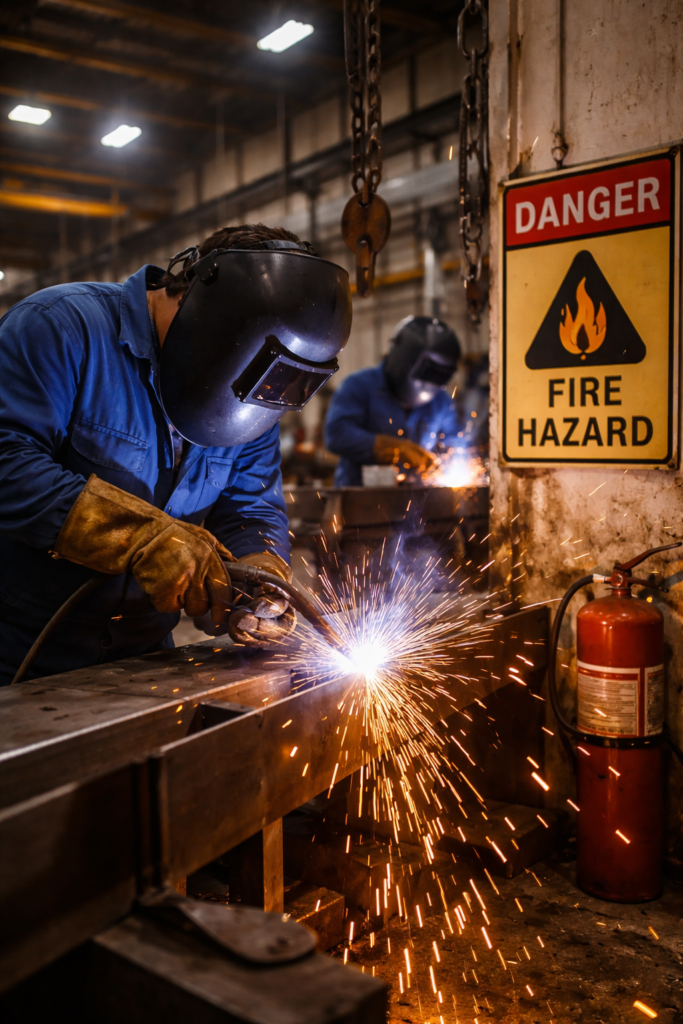
- Sparks from hot work activities such as welding, cutting, and grinding
- Overheated machinery due to excessive use or poor ventilation
- Lack of maintenance leading to mechanical or electrical faults
- Accumulation of dust, oil, or debris around equipment
- Leaks of flammable liquids or gases from machinery or pipelines
- Improper use of machinery by untrained personnel
Prevention Tips
- Conduct regular inspections and preventive maintenance
- Implement strict controls for hot work activities
- Keep work areas clean and free from combustible materials
- Ensure proper ventilation to prevent heat and vapor buildup
- Install fire detection and suppression systems in high-risk areas
- Train employees in fire safety and emergency response
- Keep suitable fire extinguishers accessible near machinery
Managing machinery-related risks is essential for fire hazard prevention, helping reduce workplace fire incidents and ensuring a safe and compliant working environment.
9. Lack of Fire Safety Training
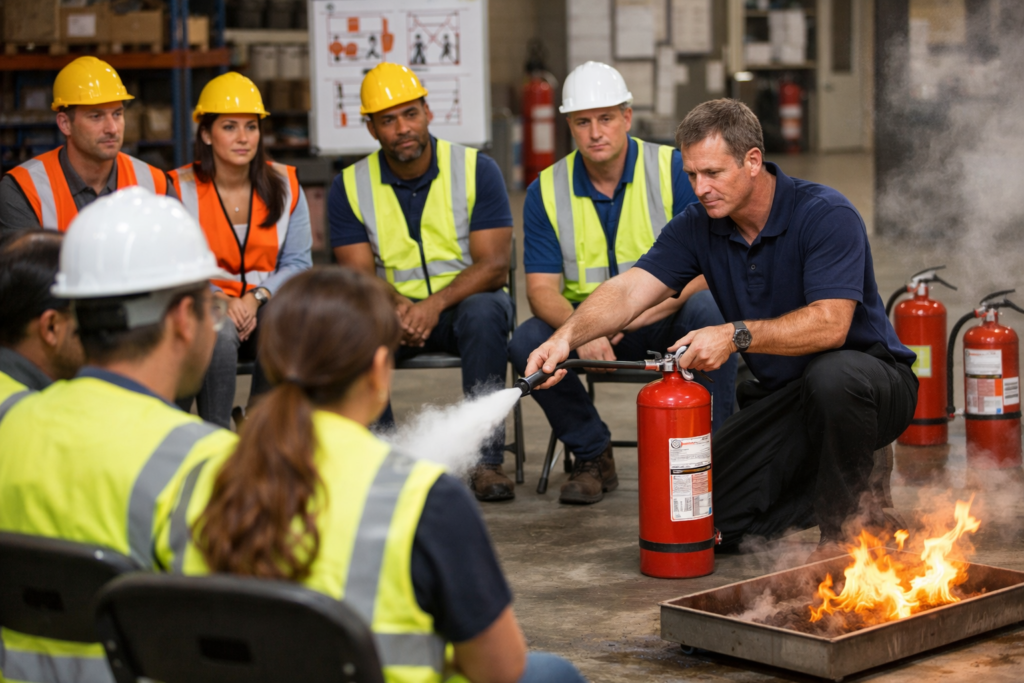
Lack of fire safety training is a critical fire hazard in homes, workplaces, and industrial environments. Even when fire safety equipment is available, it is only effective if individuals know how to use it correctly and respond during emergencies. Without proper training, people may fail to identify fire hazards, delay action, or make unsafe decisions that can worsen fire incidents.
Common Risks
- Panic and confusion during fire emergencies
- Improper use of fire equipment such as extinguishers
- Delayed evacuation increasing risk of injury
- Failure to recognize hazards at an early stage
- Incorrect response actions leading to greater damage
Prevention Tips
- Conduct regular fire drills and evacuation exercises
- Provide certified fire safety training programs
- Educate individuals on hazard identification and reporting
- Train staff on proper use of fire safety equipment
- Develop clear emergency response plans
- Promote a culture of safety awareness
Investing in fire safety training is essential for fire hazard prevention, helping improve response time, reduce risks, and ensure the safety of people and property.
10. Heating Equipment Misuse
Improper use of heating equipment is a common fire hazard in homes and workplaces, especially during cold seasons. Devices such as heaters, boilers, and radiators can become dangerous if placed near flammable materials or used without proper precautions. Overheating, poor maintenance, and incorrect usage can quickly lead to fire incidents.
Common Risks
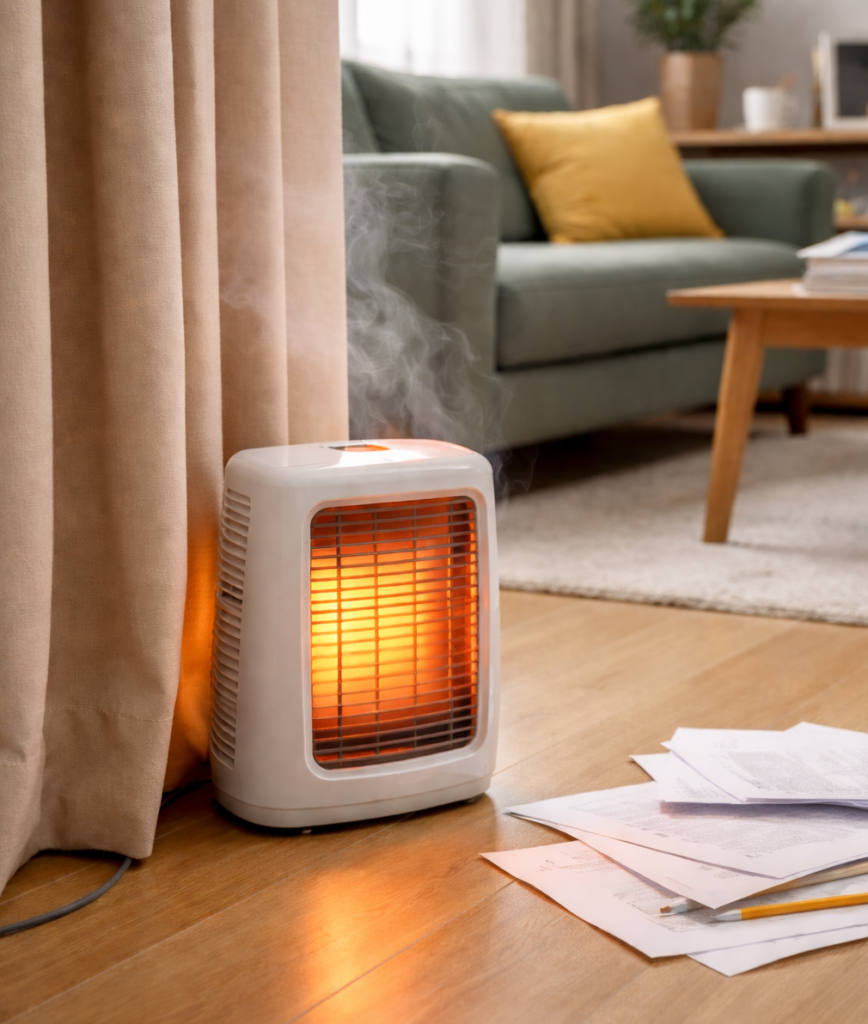
- Placing heaters near flammable materials like curtains or furniture
- Using faulty or unmaintained heating equipment
- Overheating devices due to continuous or improper use
- Using heaters in poorly ventilated areas
- Leaving heating equipment unattended
Prevention Tips
- Keep heaters at a safe distance from flammable materials
- Regularly inspect and maintain heating equipment
- Avoid using damaged or faulty heaters
- Ensure proper ventilation in heated spaces
- Turn off heating devices when not in use
- Use certified and approved heating appliances
Safe use of heating equipment is essential for fire hazard prevention, helping reduce risks and maintain a safe and comfortable environment.
How to Prevent Fire Hazards (Expert Safety Tips)
Preventing fire hazards requires a proactive approach that focuses on prevention, preparedness, and regular monitoring. Fire safety is an ongoing responsibility that involves identifying risks early, maintaining safety systems, and ensuring proper emergency response. By following effective fire hazard prevention strategies, individuals and organizations can significantly reduce fire risks and improve overall safety.
Key Prevention Measures
- Install and maintain fire detection systems such as smoke alarms and fire alarms for early warning
- Develop a clear evacuation plan with defined routes and assembly points
- Conduct regular fire risk assessments to identify and eliminate hazards
- Keep fire extinguishers accessible and ensure they are properly maintained
- Provide fire safety training to ensure correct response during emergencies
- Maintain good housekeeping to reduce combustible materials and clutter
- Store flammable materials safely away from ignition sources
- Service electrical and heating systems regularly to prevent faults and overheating
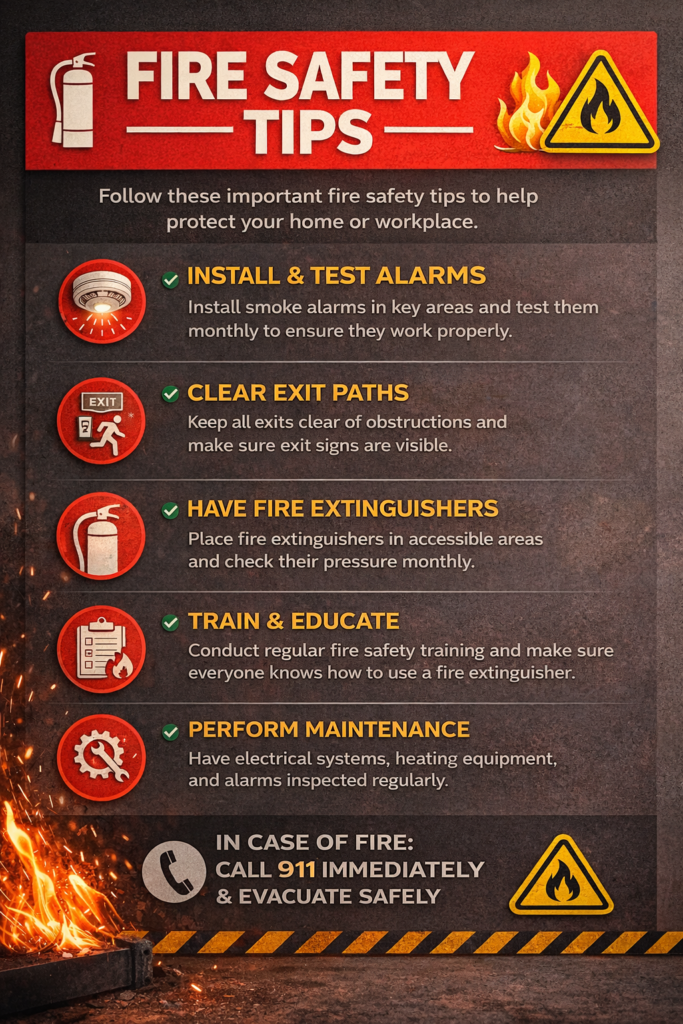
Implementing these fire safety measures is essential for effective fire hazard prevention, helping protect lives, reduce property damage, and ensure a safe and compliant environment.
Fire Safety Training Courses for Hazard Prevention
While understanding fire hazards is essential, gaining formal knowledge through professional fire safety training can significantly improve your ability to prevent and respond to fire risks effectively. Structured courses provide in-depth insights into fire prevention techniques, risk assessment, emergency planning, and compliance with safety regulations.
| Topic | Who Should Attend | Key Benefit |
|---|---|---|
| Fire Prevention | Managers, Safety Officers | Reduce the likelihood of fire incidents |
| Emergency Planning | Employees, Residents | Faster, safer evacuation |
| Fire Equipment Training | General Public, Staff | Confident and effective use of safety tools |
| Risk Assessment & Compliance | Safety Teams, Supervisors | Ensure regulatory compliance and safety |
If you are looking to strengthen your expertise or advance your career in fire safety, exploring certified training programs can be highly beneficial. You can browse relevant courses here: fire safety courses we offer
Investing in fire safety education not only helps individuals respond confidently during emergencies but also supports organizations in creating safer, compliant, and more resilient environments.
Conclusion:
Fire hazards often remain unnoticed in everyday environments, posing serious risks to homes, workplaces, and industrial settings. Common fire hazards such as faulty electrical systems, improper storage of flammable materials, and unsafe practices can escalate rapidly into major fire incidents if not addressed promptly. These hazards can result in significant property damage, operational disruption, serious injuries, and loss of life, emphasizing the importance of early identification and effective fire hazard management.
Implementing a proactive fire safety strategy is essential for reducing fire risks and ensuring long-term protection. Regular inspections, proper maintenance, compliance with fire safety regulations, and continuous awareness are key components of effective fire hazard prevention. By adopting these measures, individuals and organizations can enhance safety standards, protect valuable assets, and create a more secure and resilient environment.
Strengthen your fire safety knowledge by exploring our comprehensive fire safety guide and advance your skills by enrolling in our professional fire safety training courses, designed to help you effectively identify, prevent, and respond to fire hazards.
Explore More Fire Safety Career & Compliance Guides
Expand your expertise with our in-depth articles on fire safety careers, risk assessment, workplace compliance, fire protection systems, and health and safety management to strengthen your professional knowledge and support career progression.
- What is Fire Safety?
- Fire Risk Assessment: Step-by-Step Guide for Businesses (2026)
- Fire Safety Equipment: Complete Guide for Homes and Workplaces (2026)
- Fire Safety: Essential Tips for Homes and Workplaces
- Industrial Fire Safety: Complete Guide to Risk Assessment, Hazards & Prevention (2026)
- Fire Safety Training (2026)
- Level 4 Diploma in Fire Safety
- Senior Fire Safety Advisor vs Fire Safety Officer: What’s the Difference?