
Top Fire Hazards You Should Never Ignore
Fire hazards are among the most underestimated yet potentially devastating risks in homes, workplaces, and industrial environments. They often develop through everyday activities—such as overloaded electrical systems, faulty wiring, improper storage of flammable materials, or unsafe use of heating equipment—making them easy to overlook until a serious incident occurs. In many cases, these hazards remain unnoticed until a small spark triggers a major fire.
Despite being largely preventable, fire incidents continue to cause significant property damage, serious injuries, and even loss of life each year. The impact can be both financially and emotionally overwhelming, especially when safety measures are ignored or delayed.
A lack of awareness, poor maintenance practices, and insufficient fire safety training are key factors that increase fire risks. Without regular inspections and proper precautions, small hazards can quickly escalate into dangerous situations. Taking a proactive approach—by identifying risks early, maintaining equipment, and following safety guidelines—is essential for creating a safer environment and preventing fire-related disasters.
What Are Fire Hazards?
Fire hazards refer to any condition, material, process, or human behavior that has the potential to cause a fire to start, intensify, or spread rapidly. These hazards are not always obvious and can develop over time due to poor maintenance, unsafe practices, or lack of awareness. In simple terms, anything that can ignite, fuel, or accelerate a fire is considered a fire hazard.
Fire hazards are commonly found in residential, commercial, and industrial environments, ranging from faulty electrical systems and overloaded circuits to improperly stored flammable substances and unsafe use of heat-generating equipment. They may also include blocked emergency exits, accumulation of combustible materials, and the absence of proper fire detection or suppression systems.
One of the most critical aspects of fire hazards is that they often remain hidden or underestimated until a fire incident occurs. Many environments operate with unnoticed risks that, when combined with an ignition source, can lead to serious consequences within seconds. This is why early identification, regular inspections, and proper risk assessment are essential for effective fire prevention.
Understanding fire hazards is a fundamental step in fire safety management, as it enables individuals and organizations to take proactive measures, reduce potential risks, and ensure a safer and more compliant environment.
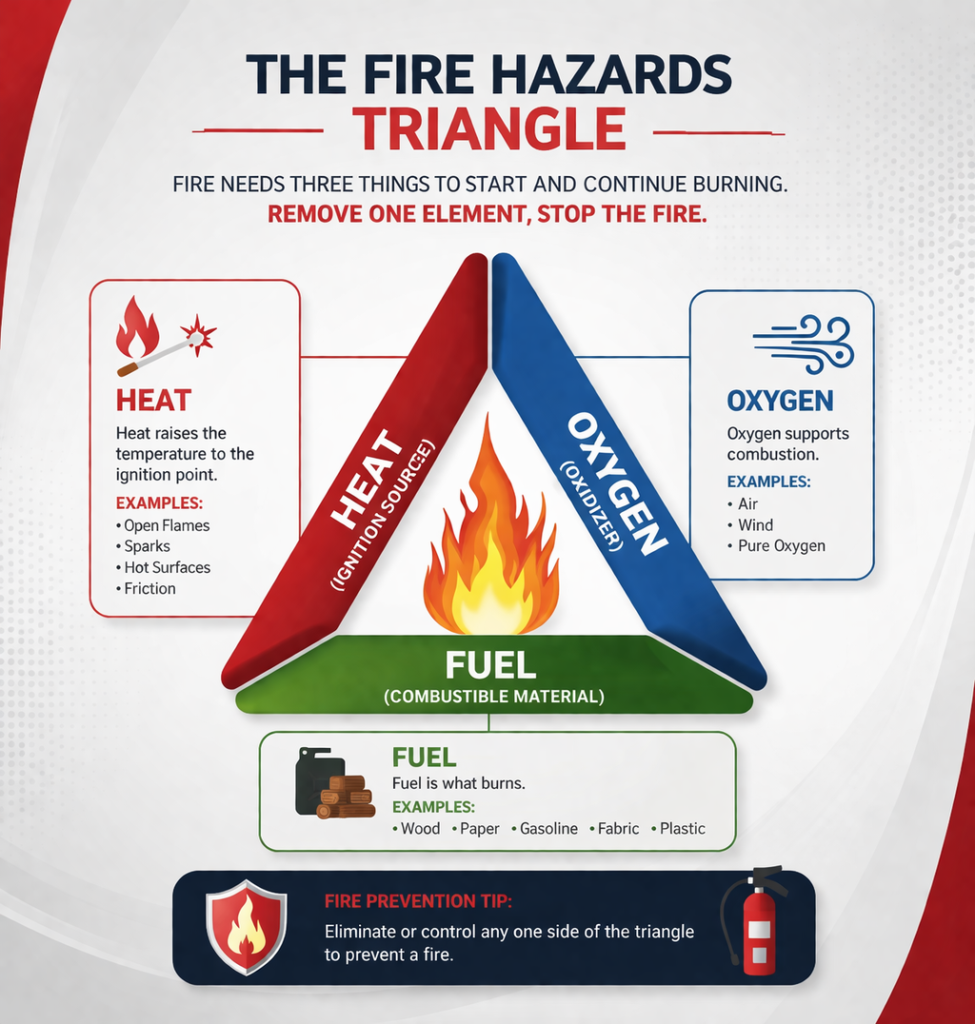
Why Fire Hazard Awareness Is Critical
hazard awareness is a fundamental aspect of maintaining a safe environment, whether at home, in the workplace, or within industrial settings. Ignoring potential fire risks can lead to severe and often irreversible consequences, including loss of life, extensive property damage, legal liabilities, and operational disruptions. Many fire incidents occur not because hazards are unknown, but because they are underestimated or neglected.
Developing strong awareness of fire hazards allows individuals and organizations to identify risks at an early stage and take preventive action before a fire can occur. This proactive approach significantly reduces the likelihood of incidents and ensures a higher level of safety for everyone involved.
Proper fire hazard awareness helps to:
- Prevent fire outbreaks before they occur by identifying potential ignition sources and eliminating risks in advance
- Reduce the risk to human life by ensuring safe practices and minimizing exposure to dangerous situations
- Protect valuable assets and infrastructure from costly damage, downtime, and long-term losses
- Ensure compliance with fire safety regulations and legal requirements, avoiding penalties and maintaining operational standards
- Improve emergency preparedness by enabling faster, more effective responses during fire incidents
Ultimately, fire hazard awareness is not just about recognizing risks—it is about creating a culture of safety, responsibility, and preparedness that helps prevent disasters and protects both people and property.
To gain deeper insights into fire prevention strategies and the importance of professional training, you can explore this detailed guide https://inspirecollege.co.uk/blogs/fire-safety-training/
Top Fire Hazards You Should Never Ignore
1. Faulty Electrical Systems and Overloaded Circuits
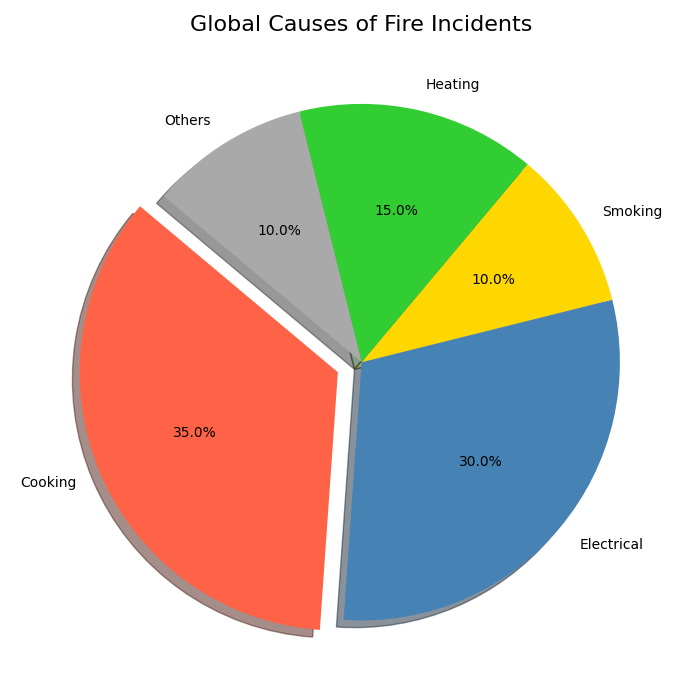
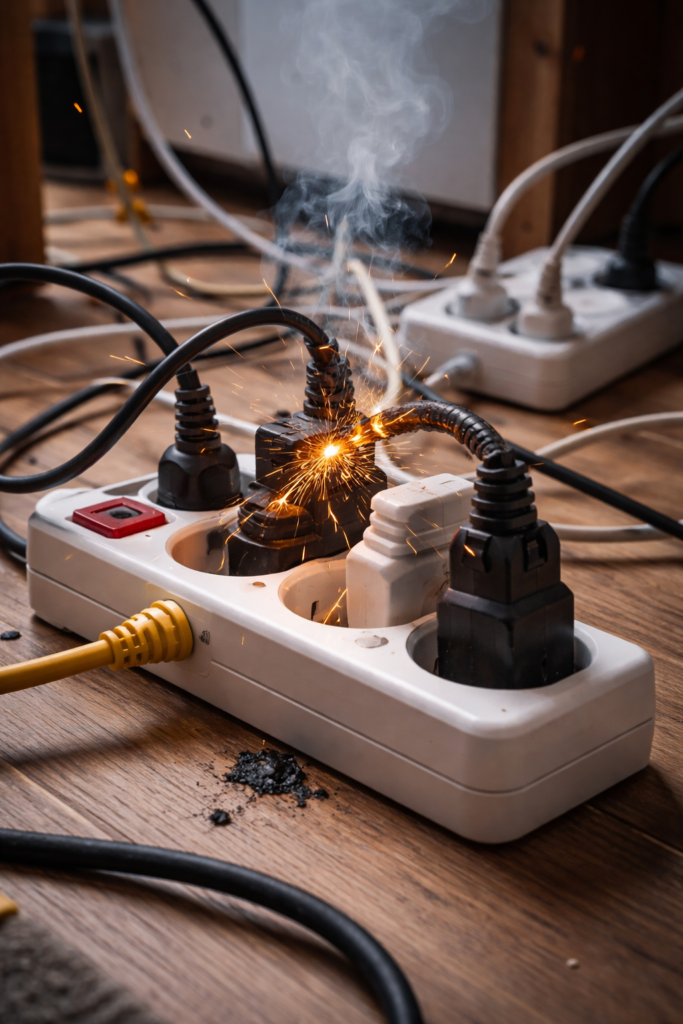
Faulty electrical systems and overloaded circuits are among the most common and dangerous causes of fires worldwide. Electrical hazards often develop due to aging infrastructure, poor installation practices, or excessive demand on power sources. When wires, sockets, or appliances are unable to handle the electrical load, they can overheat, produce sparks, and eventually ignite nearby combustible materials.
In many environments, these risks go unnoticed because electrical systems are hidden behind walls or ceilings. However, even minor issues—such as a damaged cable or a frequently tripping circuit—can indicate a serious underlying problem. Without timely intervention, these faults can quickly escalate into fire incidents, especially in high-use areas like offices, kitchens, and industrial facilities.
Common risks include:
- Overloading extension leads or power strips with multiple high-energy devices
- Exposed, damaged, or frayed wires that can spark or overheat
- Poorly installed or outdated electrical systems that do not meet safety standards
- Faulty or low-quality appliances that generate excessive heat
- Loose connections or worn-out sockets that can cause arcing
Prevention Tips:
- Avoid plugging too many devices into a single outlet or extension lead
- Conduct regular inspections of wiring, plugs, and electrical appliances
- Replace damaged cables and faulty equipment immediately
- Hire qualified and certified electricians for all installations and repairs
- Install circuit breakers, fuses, and surge protectors to prevent overloads
- Upgrade old electrical systems to meet current safety regulations
Taking proactive steps to maintain electrical safety not only reduces fire risks but also ensures a more reliable and efficient power system in any environment.
2. Flammable Materials Stored Improperly
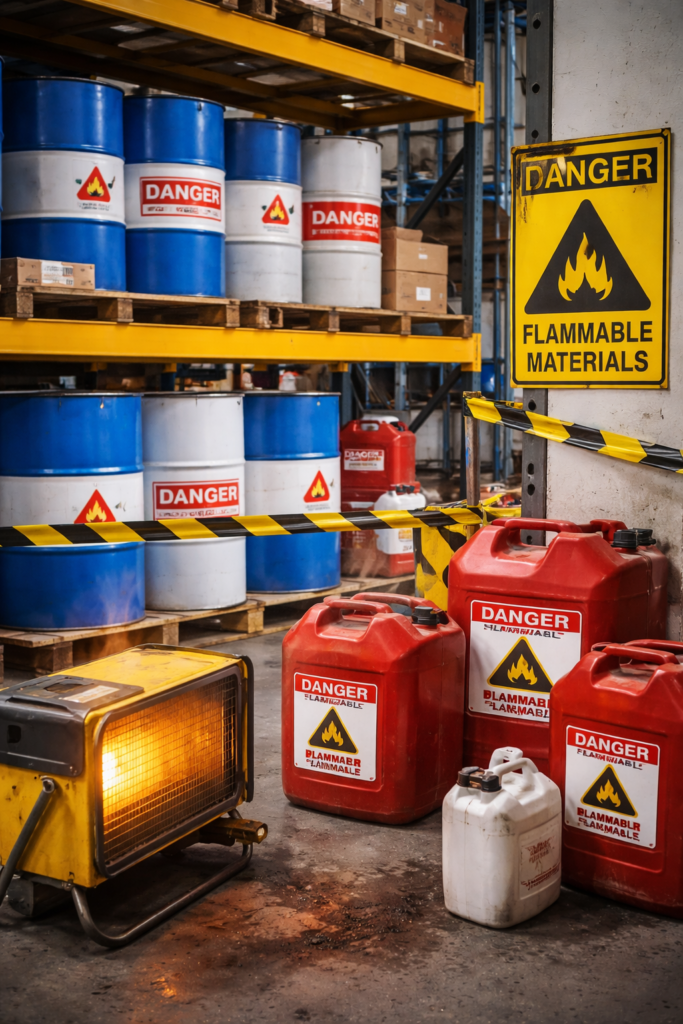
Improper storage of flammable materials is a major fire hazard that can quickly turn a minor incident into a severe emergency. Substances such as gasoline, diesel, paints, solvents, cleaning agents, and industrial chemicals are highly combustible and can ignite easily when exposed to heat, sparks, or open flames. When these materials are not stored correctly, they release vapors that can accumulate in enclosed spaces, significantly increasing the risk of fire or even explosions.
In many environments, flammable substances are often handled without strict safety measures, especially in homes, workshops, warehouses, and industrial sites. Storing these materials carelessly—such as near electrical equipment or in poorly ventilated areas—creates a dangerous situation where even a small ignition source can trigger a fire.
Examples include:
- Storing fuels, chemicals, or solvents close to heat sources like heaters, stoves, or electrical panels
- Keeping flammable liquids in unventilated or confined spaces where vapors can build up
- Using unapproved, damaged, or open containers that can leak or release fumes
- Placing flammable materials near direct sunlight or high-temperature environments
- Mixing incompatible chemicals that may react and increase fire risk
Prevention Tips:
- Store flammable materials in clearly labeled, approved, and sealed safety containers
- Keep all combustible substances away from ignition sources such as sparks, flames, and hot surfaces
- Ensure storage areas are cool, dry, and well-ventilated to prevent vapor accumulation
- Use designated storage cabinets or areas specifically designed for hazardous materials
- Follow manufacturer guidelines and safety regulations for handling and storage
- Limit the quantity of flammable materials stored to only what is necessary
Proper handling and storage of flammable materials are essential for reducing fire risks and maintaining a safe environment. Implementing these precautions not only prevents potential fire incidents but also ensures compliance with safety standards and best practices.
3. Unattended Cooking Equipment
Unattended cooking equipment is one of the leading causes of fire incidents, particularly in residential kitchens and commercial food preparation areas. Cooking involves high temperatures, open flames, and hot oils—all of which can quickly become dangerous if not properly monitored. Even a brief moment of distraction can allow heat to build up, causing food, grease, or nearby materials to ignite and spread rapidly.
Kitchen fires often start when cooking is left unattended or when individuals become distracted by phones, conversations, or other activities. Grease fires, in particular, are highly dangerous, as overheated oil can ignite within seconds and spread flames quickly across cooking surfaces. In commercial kitchens, where cooking is continuous and fast-paced, the risk becomes even greater if safety procedures are not strictly followed.
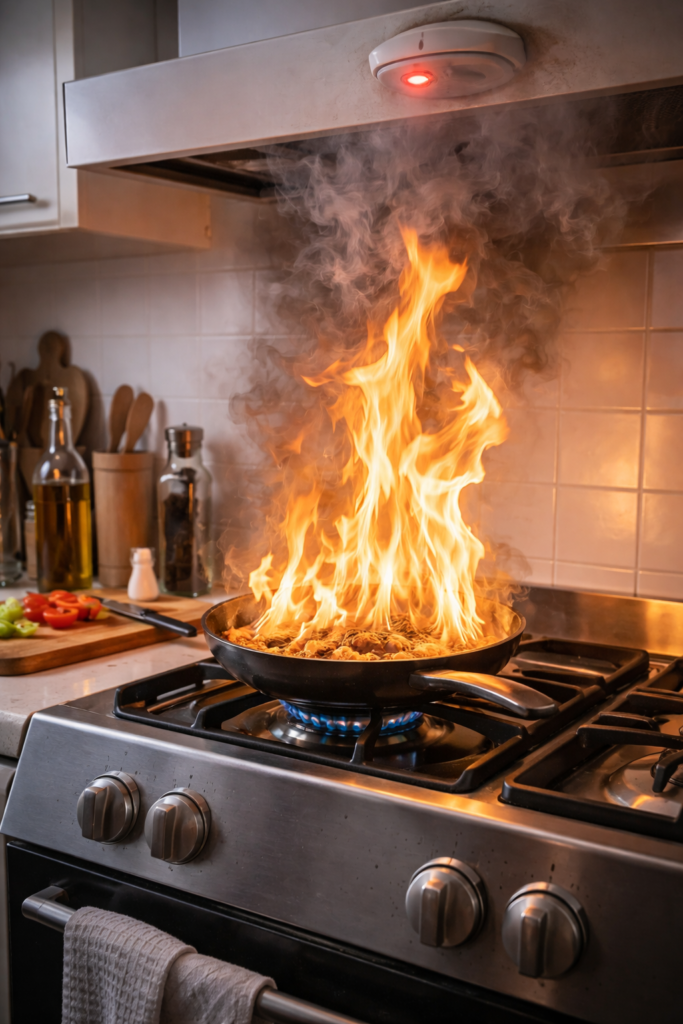
Major causes:
- Leaving food unattended on stoves, ovens, or grills
- Overheating oil or grease, leading to ignition
- Distracted cooking due to multitasking or negligence
- Allowing food to burn or boil over onto heat sources
- Using cooking equipment improperly or without supervision
Prevention Tips:
- Never leave cooking equipment unattended, especially when using high heat or oil
- Stay focused while cooking and avoid distractions such as mobile devices
- Keep flammable items like kitchen towels, paper, and packaging away from stoves
- Use timers or alarms to monitor cooking duration
- Turn off appliances immediately after use
- Keep a fire extinguisher or fire blanket accessible in the kitchen
Maintaining awareness and practicing safe cooking habits are essential to preventing kitchen fires and ensuring a safe cooking environment at all times.
4. Smoking Indoors or Carelessly
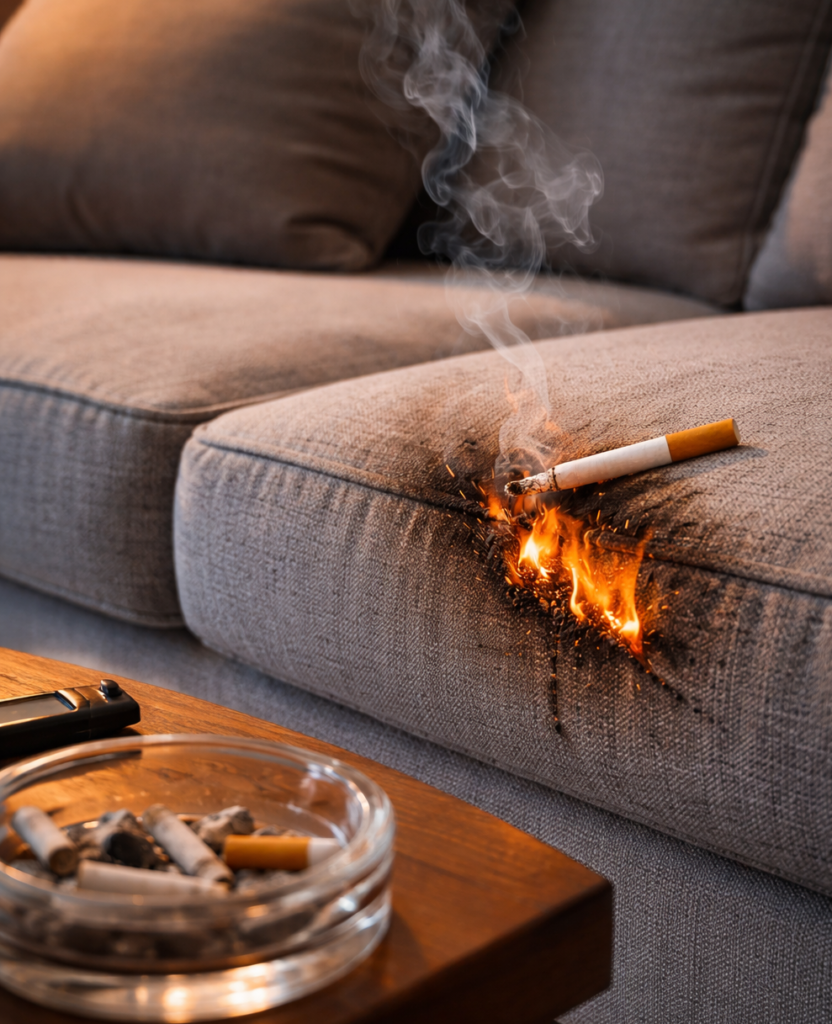
Smoking indoors or handling smoking materials carelessly is a significant fire hazard and a leading cause of preventable fire incidents worldwide. Lit cigarettes, cigars, or other smoking materials can easily ignite flammable items such as furniture, bedding, curtains, carpets, or paper if they come into contact with them. What makes this hazard particularly dangerous is that fires caused by smoking often start slowly and go unnoticed until they have already spread.
One of the most common risks is the improper disposal of smoking materials. A cigarette that appears to be extinguished can still contain enough heat to ignite nearby combustible materials. Additionally, smoking in enclosed spaces increases the likelihood of fire due to the accumulation of flammable materials and limited ventilation. When combined with fatigue or distraction, the danger becomes even greater.
Risk factors:
- Smoking in bed or while lying on sofas, where fabrics can easily catch fire
- Falling asleep while smoking, allowing the cigarette to burn unattended
- Disposing of cigarettes in trash bins, especially those containing paper or other combustible waste
- Using shallow or unstable ashtrays that can tip over easily
- Smoking near flammable liquids, gases, or materials
Prevention Tips:
- Always use deep, stable, and non-combustible ashtrays to safely contain cigarette remains
- Never smoke in bed, on sofas, or in areas where you may fall asleep
- Ensure cigarettes and other smoking materials are completely extinguished before disposal
- Avoid disposing of cigarette butts in regular waste bins without proper extinguishing
- Keep smoking areas clear of flammable materials
- Consider designating specific safe areas for smoking, preferably outdoors
Adopting safe smoking practices and maintaining awareness at all times can significantly reduce the risk of fire incidents. Even small precautions can prevent potentially life-threatening situations and protect both people and property.
5. Clutter and Poor Housekeeping
Clutter and poor housekeeping are often overlooked fire hazards, yet they play a major role in both the ignition and rapid spread of fires. Accumulated materials such as paper, cardboard, packaging, textiles, and general waste act as highly combustible fuel. When these items are allowed to build up—especially near heat sources, electrical equipment, or work areas—they significantly increase the likelihood and intensity of a fire.
Beyond fueling fires, clutter also creates serious safety challenges during emergencies. Blocked walkways, obstructed exits, and disorganized storage can delay evacuation, hinder firefighting efforts, and increase the risk of injuries. In workplaces and industrial environments, poor housekeeping is often linked to unsafe practices, lack of supervision, and non-compliance with safety standards.
Examples:
- Stacks of paper, cardboard, or packaging materials stored near electrical equipment or heat sources
- Blocked emergency exits, stairways, or corridors due to stored items or waste
- Accumulation of dust, debris, or combustible waste in work areas
- Poorly organized storage of materials, increasing fire load and risk
- Overflowing bins or unmanaged waste disposal systems
Prevention Tips:
- Maintain clean, tidy, and well-organized spaces at all times
- Keep all emergency exits, routes, and access points clear and unobstructed
- Dispose of waste regularly and use proper waste management systems
- Store materials safely and away from heat sources or electrical equipment
- Implement routine housekeeping inspections to identify and eliminate hazards
- Encourage a workplace culture that prioritizes cleanliness and safety
Effective housekeeping is a simple yet powerful fire prevention measure. By reducing clutter and maintaining organized environments, the risk of fire ignition and spread can be significantly minimized, while also ensuring safer and faster evacuation in case of emergencies.
6. Faulty or Missing Fire Safety Equipment
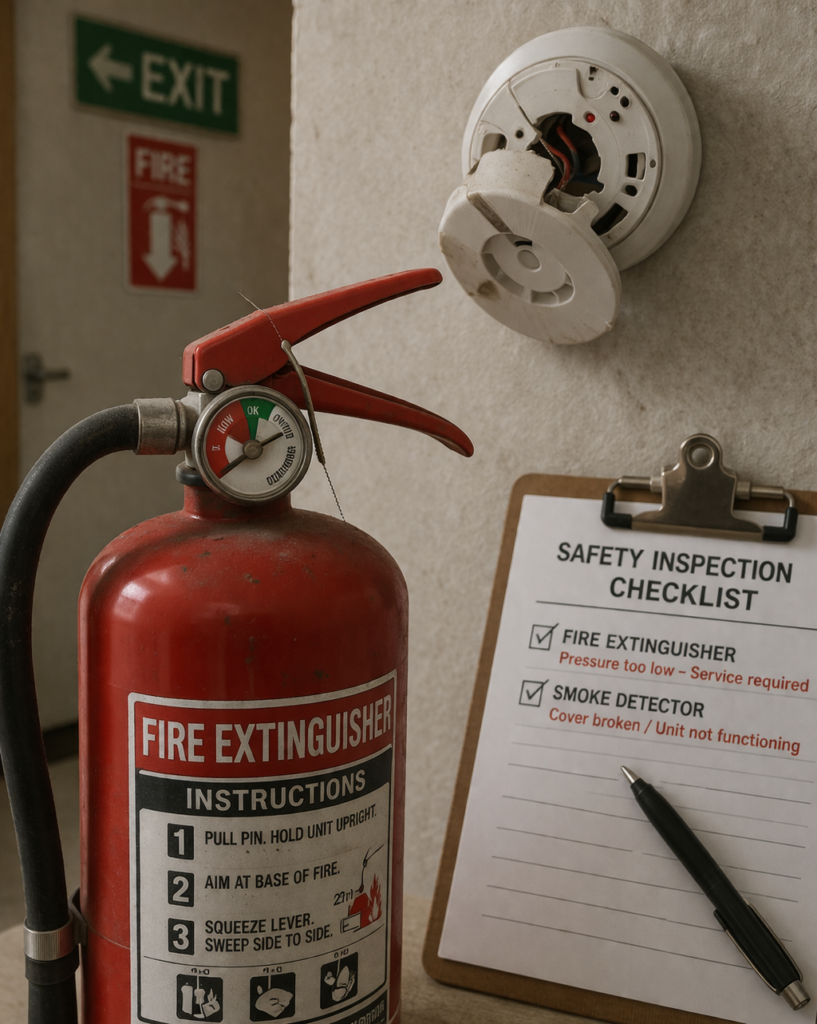
Faulty, poorly maintained, or missing fire safety equipment is a critical hazard that can significantly increase the severity of fire incidents. Fire safety devices such as smoke alarms, fire extinguishers, fire detection systems, and suppression equipment are designed to provide early warning and immediate response during emergencies. When these systems fail or are not present, fires can go undetected, spread rapidly, and cause far greater damage before any action is taken.
In many cases, fire safety equipment is installed but not regularly inspected or maintained, rendering it ineffective when it is needed most. For example, a smoke alarm without working batteries or a fire extinguisher that has expired or lost pressure can give a false sense of security. Similarly, the absence of proper fire detection systems in high-risk environments can delay response times and increase danger to occupants.
Common issues:
- Non-functional or disabled smoke alarms that fail to detect fire or smoke
- Expired, damaged, or unserviced fire extinguishers that cannot operate effectively
- Lack of fire detection or alarm systems in residential, commercial, or industrial settings
- Missing or inadequate fire suppression systems such as sprinklers
- Poor placement of fire safety equipment, making it difficult to access during emergencies
Prevention Tips:
- Test smoke alarms regularly (at least once a month) to ensure they are working properly
- Replace batteries in alarms as needed and check for any faults or damage
- Ensure fire extinguishers are inspected and serviced according to recommended schedules
- Install appropriate fire detection and suppression systems based on the environment
- Keep fire safety equipment easily accessible and clearly visible
- Train occupants or employees on how to use fire safety equipment correctly
Maintaining reliable fire safety equipment is essential for early detection and quick response. Properly functioning systems can save lives, minimize damage, and provide critical time for evacuation during a fire emergency.
7. Candles and Open Flames
Candles and other open flames may appear harmless, but they are a significant fire hazard when used without proper care. An open flame can reach high temperatures and easily ignite nearby combustible materials such as curtains, paper, furniture, decorations, or clothing. What makes this hazard particularly dangerous is how quickly a small flame can escalate into a full fire—often within minutes—especially in enclosed or poorly ventilated spaces.
According to fire safety reports, candles are responsible for a considerable number of residential fires each year, with many incidents occurring due to negligence or lack of supervision. Common situations include candles left burning in bedrooms, near decorative items, or during power outages without proper precautions. In festive seasons or events, the increased use of candles and decorative lighting further raises the risk.
Open flames are not limited to candles—they also include oil lamps, incense sticks, and decorative fire features. All of these can become dangerous if placed incorrectly or left unattended. Even a slight draft from a window or fan can cause flames to flicker and come into contact with nearby flammable objects.
Risks include:
- Leaving candles or open flames unattended, especially in empty rooms
- Placing candles near flammable materials such as curtains, books, paper, or decorations
- Using unstable or lightweight candle holders that can tip over easily
- Allowing candles to burn too low, increasing the risk of overheating surfaces
- Using candles in areas accessible to children or pets, increasing the chance of accidental contact
- Falling asleep while candles or open flames are still lit
Prevention Tips:
- Never leave candles or open flames unattended, even for a short period
- Always extinguish candles before leaving a room or going to sleep
- Use sturdy, heat-resistant, and flame-resistant holders designed for candle use
- Keep candles at a safe distance from flammable materials and ensure a clear surrounding area
- Place candles on stable, flat surfaces away from drafts such as windows, fans, or air vents
- Keep candles out of reach of children and pets
- Consider using flameless LED candles as a safer alternative, especially for decorative purposes
By following these precautions, the risks associated with candles and open flames can be significantly reduced. Simple awareness and responsible use can prevent avoidable fire incidents and ensure a safer environment in both homes and workplaces.
8. Industrial and Workplace Machinery Hazards
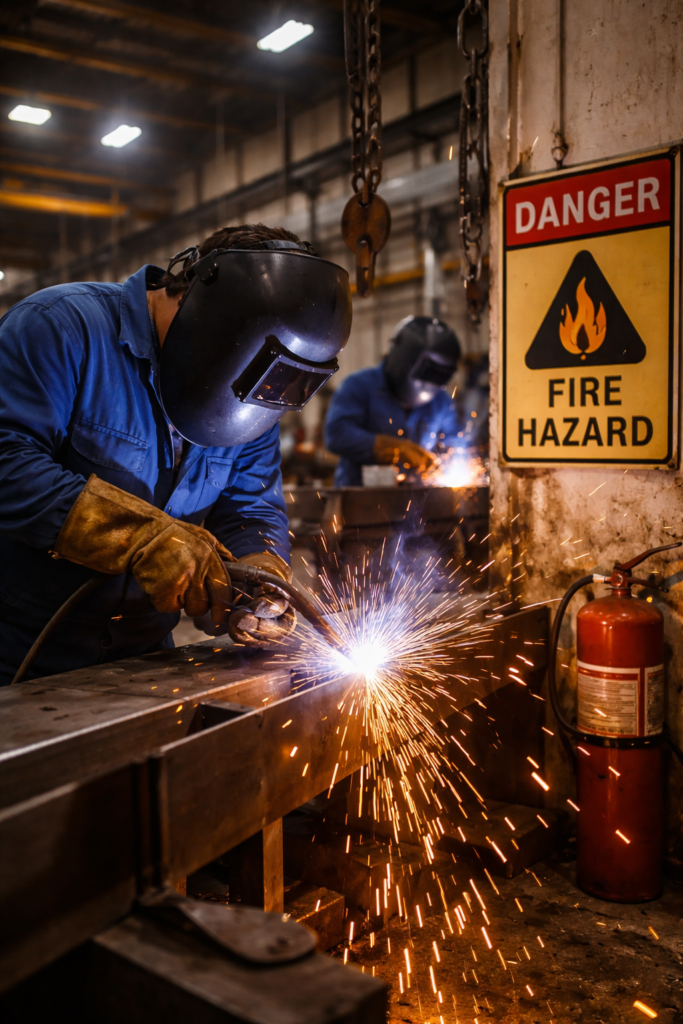
Industrial and workplace environments present a higher level of fire risk due to the presence of heavy machinery, high-temperature processes, electrical systems, and flammable substances. Machinery used in manufacturing, construction, and processing operations often generates heat, friction, or sparks, all of which can act as ignition sources if not properly controlled. When combined with combustible materials, these conditions can quickly lead to serious fire incidents.
Hot work activities—such as welding, cutting, grinding, and soldering—are particularly hazardous because they produce open flames, molten metal, and flying sparks. These sparks can travel several meters and ignite nearby materials, including dust, vapors, or debris that may not be immediately visible. In addition, poorly maintained machinery can overheat, leak flammable fluids, or develop electrical faults, all of which significantly increase fire risk.
Industrial fires are often more severe due to the scale of operations, the presence of hazardous materials, and the complexity of evacuation procedures. Without proper safety controls and trained personnel, even a small incident can escalate rapidly, causing major damage, operational downtime, and safety threats to workers.
Key hazards:
- Sparks and heat generated from welding, cutting, grinding, or other hot work activities
- Overheated machinery due to excessive use, poor ventilation, or mechanical faults
- Lack of routine maintenance leading to equipment failure or electrical issues
- Accumulation of combustible dust, oil, or debris around machinery
- Leaks of flammable liquids or gases from equipment or pipelines
- Improper use or operation of machinery by untrained personnel
Prevention Tips:
- Conduct regular inspections and preventive maintenance of all machinery and equipment
- Implement a strict hot work permit system to control and monitor high-risk activities
- Keep work areas clean and free from combustible materials, dust, and waste
- Ensure proper ventilation to prevent heat buildup and accumulation of flammable vapors
- Install appropriate fire detection and suppression systems in high-risk areas
- Train employees in fire safety procedures, hazard identification, and emergency response
- Provide suitable fire extinguishers and ensure they are easily accessible near machinery
Effective management of machinery-related hazards is essential for maintaining a safe workplace. By combining proper maintenance, strict safety procedures, and employee training, organizations can significantly reduce fire risks and ensure a safer working environment.
9. Lack of Fire Safety Training
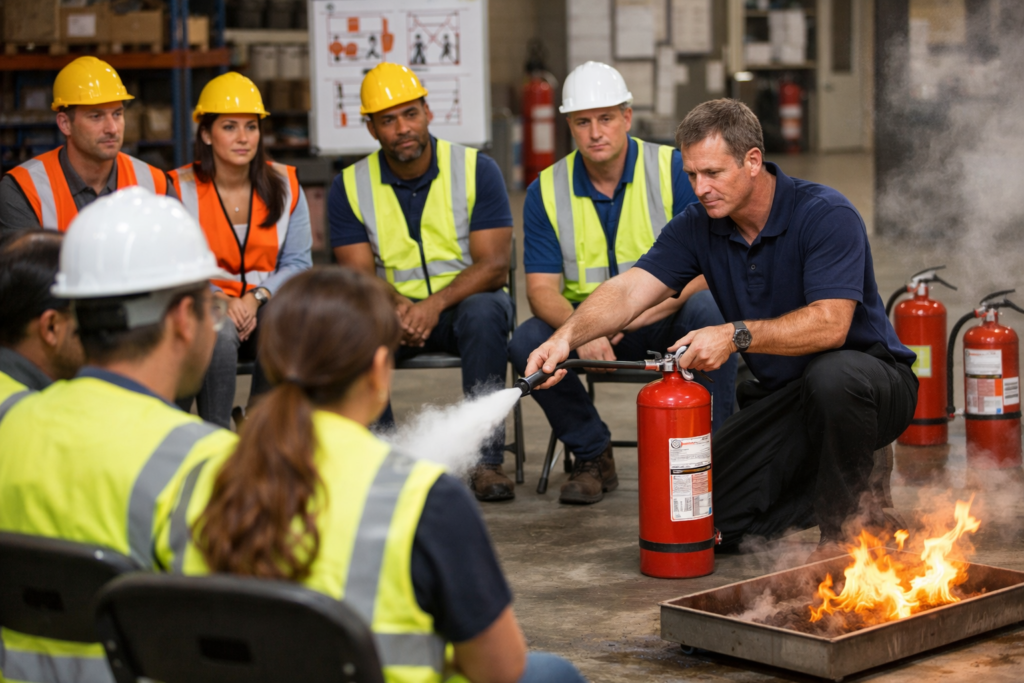
A lack of fire safety training is one of the most critical factors that can turn a manageable incident into a major disaster. Even when fire safety systems and equipment are in place, they are only effective if people know how to use them correctly and respond appropriately during an emergency. Without proper training, individuals may fail to recognize fire hazards, react too slowly, or take incorrect actions that can worsen the situation.
In both residential and workplace environments, untrained individuals often panic when a fire breaks out. This panic can lead to confusion, poor decision-making, and unsafe behavior, such as attempting to fight a fire without proper knowledge or failing to evacuate on time. In industrial and commercial settings, where risks are higher, the absence of training can result in serious injuries, operational disruption, and large-scale damage.
Fire safety training is not just about knowing how to use equipment—it also involves understanding evacuation procedures, identifying fire hazards, and responding quickly and calmly under pressure. A well-trained individual can make a significant difference in controlling a fire early or ensuring safe evacuation.
Consequences:
- Panic and confusion during fire incidents, leading to unsafe actions
- Improper or ineffective use of fire extinguishers and other safety equipment
- Delayed evacuation, increasing the risk of injury or entrapment
- Failure to recognize early warning signs of fire hazards
- Increased damage due to slow or incorrect response
Prevention Tips:
- Conduct regular fire drills to familiarize occupants with evacuation routes and procedures
- Provide certified fire safety training programs for employees and residents
- Educate individuals on how to identify fire hazards and report risks promptly
- Train staff on the correct use of fire extinguishers and emergency equipment
- Develop and communicate clear emergency response plans
- Encourage a culture of safety awareness and responsibility at all levels
Investing in fire safety training is essential for building confidence, improving response times, and reducing the overall impact of fire incidents. Properly trained individuals can act quickly and effectively, helping to protect lives, property, and the surrounding environment.
Expert Tips to Minimize Fire Risks
Minimizing fire risks requires a proactive and well-structured approach that combines prevention, preparedness, and continuous monitoring. Fire safety is not a one-time effort but an ongoing responsibility that involves identifying potential hazards, maintaining safety systems, and ensuring that everyone knows how to respond in an emergency. By implementing effective fire prevention strategies, individuals and organizations can significantly reduce the likelihood of fire incidents and limit their impact if they occur.
To maintain a high level of protection, the following best practices should be consistently followed:
- Install and maintain fire detection systems:
Ensure that smoke alarms, heat detectors, and fire alarm systems are properly installed in all key areas. Regular testing and maintenance are essential to guarantee early detection and prompt alerts in case of fire. - Develop a clear emergency evacuation plan:
Create a well-defined evacuation strategy that includes designated escape routes, assembly points, and assigned responsibilities. Make sure all occupants are familiar with the plan and can follow it quickly during an emergency. - Conduct regular fire risk assessments:
Periodically inspect the environment to identify potential fire hazards such as faulty equipment, flammable materials, or unsafe practices. Address any identified risks immediately to prevent escalation. - Keep fire extinguishers easily accessible:
Place appropriate types of fire extinguishers in strategic and visible locations. Ensure they are regularly inspected, properly maintained, and suitable for the specific fire risks present in the area. - Train all occupants in fire response procedures:
Provide comprehensive fire safety training to employees, residents, or occupants. This should include how to respond to alarms, use fire extinguishers correctly, and evacuate safely and efficiently. - Maintain good housekeeping practices:
Keep work and living areas clean, organized, and free from unnecessary clutter to reduce fuel sources and improve safety. - Ensure proper storage of hazardous materials:
Store flammable and combustible materials safely, following recommended guidelines and keeping them away from ignition sources. - Regularly service electrical and heating systems:
Routine maintenance of electrical installations and heating equipment helps prevent overheating, faults, and potential fire outbreaks.
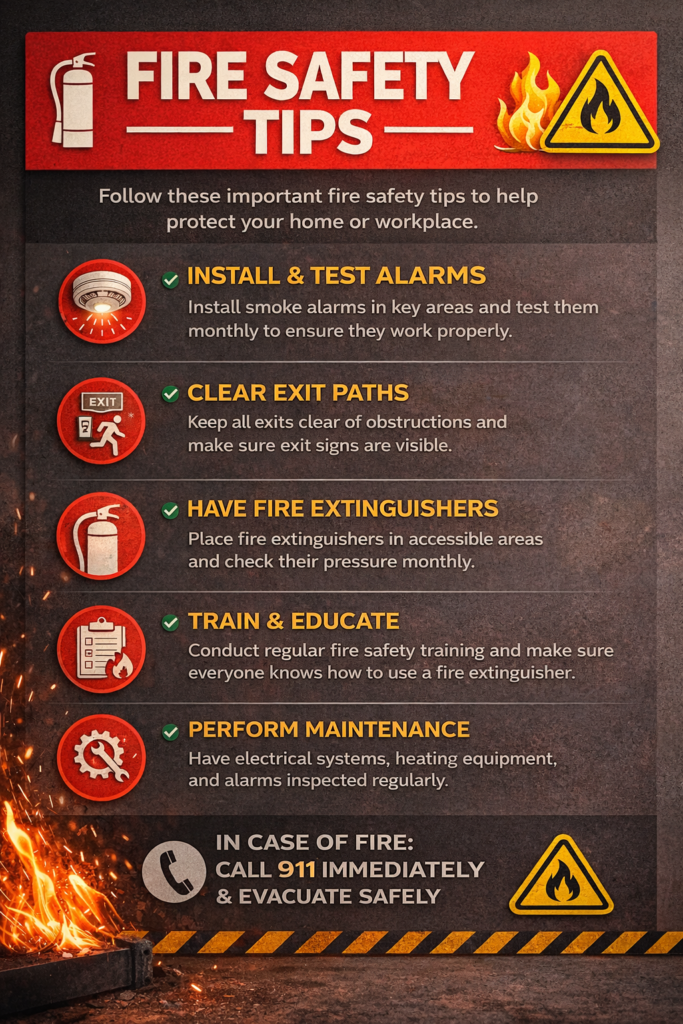
Implementing these expert tips creates a safer environment, improves emergency readiness, and helps protect lives, property, and operations from fire-related risks.
Enhance Your Fire Safety Knowledge with Professional Training
While understanding fire hazards is essential, gaining formal knowledge through professional training can significantly improve your ability to prevent and respond to fire risks effectively. Structured courses provide in-depth insights into fire prevention techniques, risk assessment, emergency planning, and compliance with safety regulations.
| Topic | Who Should Attend | Key Benefit |
|---|---|---|
| Fire Prevention | Managers, Safety Officers | Reduce the likelihood of fire incidents |
| Emergency Planning | Employees, Residents | Faster, safer evacuation |
| Fire Equipment Training | General Public, Staff | Confident and effective use of safety tools |
| Risk Assessment & Compliance | Safety Teams, Supervisors | Ensure regulatory compliance and safety |
If you are looking to strengthen your expertise or advance your career in fire safety, exploring certified training programs can be highly beneficial. You can browse relevant courses here:
https://inspirecollege.co.uk/tag/fire-safety-and-risk-management/
Investing in fire safety education not only helps individuals respond confidently during emergencies but also supports organizations in creating safer, compliant, and more resilient environments.
Conclusion:
Fire hazards often exist unnoticed within everyday environments, making them particularly dangerous. From faulty electrical systems to improperly stored flammable materials, these risks can develop gradually and escalate quickly if left unaddressed. The consequences of fire incidents can be severe, leading to significant property damage, operational disruption, serious injuries, and even loss of life. This highlights the importance of recognizing potential hazards early and taking them seriously before they turn into major emergencies.
Adopting a proactive approach to fire safety is essential for minimizing risks and ensuring long-term protection. Regular inspections, proper maintenance, adherence to safety regulations, and continuous awareness can significantly reduce the likelihood of fire incidents. Whether at home or in the workplace, prioritizing fire safety and implementing preventive measures today plays a crucial role in safeguarding lives, protecting assets, and creating a safer and more resilient environment.