
What is Fire Safety?
Complete Guide to Fire Behavior & Prevention Techniques
Fire safety is the strategic practice of identifying potential fire hazards, assessing associated risks, and implementing measures to protect lives, property, and assets. A thorough understanding of how fires ignite, develop, and spread is essential for maintaining safe environments in homes, offices, and industrial facilities. Effective fire safety integrates preventive measures, the correct use of safety equipment, and compliance with legal standards, significantly reducing the likelihood of fire-related incidents.
This guide provides an in-depth exploration of fire behavior, covering everything from initial ignition to fully developed stages, while delivering actionable prevention techniques that can be applied in various settings. Readers will gain critical insights into fire risk factors, emergency planning, and essential safety tools, all aligned with UK fire safety regulations to ensure compliance and effective risk management.
Whether you are a homeowner, workplace manager, or fire safety professional, this guide equips you with the knowledge and practical strategies necessary to create a fire-safe environment, enhance awareness, and respond effectively to emergencies, ultimately safeguarding both people and property.
How Fires Start: Common Causes
Understanding how fires ignite is the cornerstone of effective fire safety. By identifying and addressing the most common fire causes, homeowners, business owners, and safety professionals can implement preventive measures to protect lives, property, and assets. Fires typically originate from a combination of ignition sources, combustible materials, and environmental factors, and recognizing these risks is essential for both residential and industrial safety.
1. Electrical Faults
Electrical issues are one of the most common and preventable causes of fires in both residential and commercial settings. Key factors include:
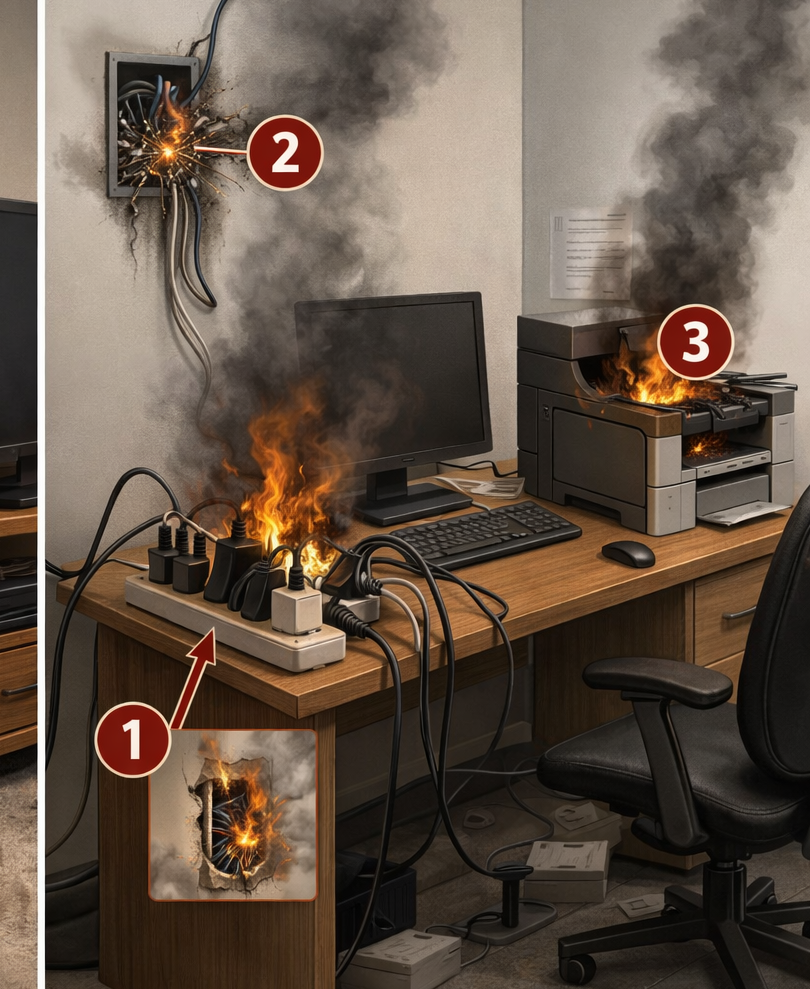
- Overloaded Circuits and Sockets: Connecting too many devices to a single outlet or extension can generate excessive heat, increasing the risk of ignition.
- Faulty or Aging Wiring: Damaged, frayed, or outdated electrical wiring can produce sparks that ignite nearby combustible materials.
- Malfunctioning Appliances: Household and workplace devices such as heaters, ovens, kettles, and industrial equipment can overheat, short-circuit, or fail unexpectedly, potentially starting a fire.
To mitigate these risks, it is essential to implement regular electrical inspections and maintenance, use certified electrical components, and avoid overloading circuits. Following these precautions not only protects property but also significantly enhances overall fire safety in homes and workplaces.
2. Flammable Materials
Combustible materials present a significant fire risk when they are improperly stored or handled. These substances can ignite easily, leading to potentially devastating consequences in homes, workplaces, and industrial environments. Common examples of flammable materials include:
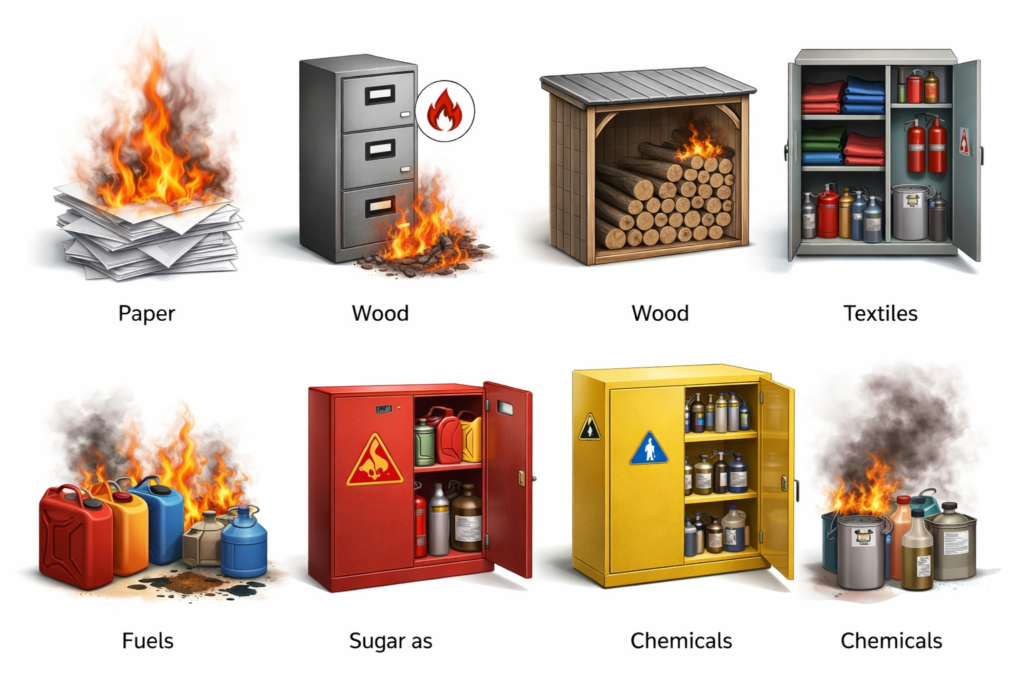
- Paper, Cardboard, and Textiles: Everyday materials that can rapidly fuel a fire if exposed to heat or sparks.
- Fuels and Oils: Flammable liquids used in industrial machinery, generators, or household equipment.
- Chemicals and Gas Cylinders: Substances that may leak, react chemically, or become unstable under certain conditions, posing serious fire hazards.
Preventive Measures: To minimize the risk of fire, it is crucial to implement safe storage practices, such as keeping combustible materials away from heat sources, using proper containment and labeling, and ensuring adequate ventilation. Regular inspections and adherence to fire safety protocols further enhance protection against fire incidents.
3. Human Error
Human behavior plays a critical role in the majority of fire incidents. Careless, negligent, or unintentional actions can quickly escalate into dangerous situations, putting lives and property at risk. Common examples include:
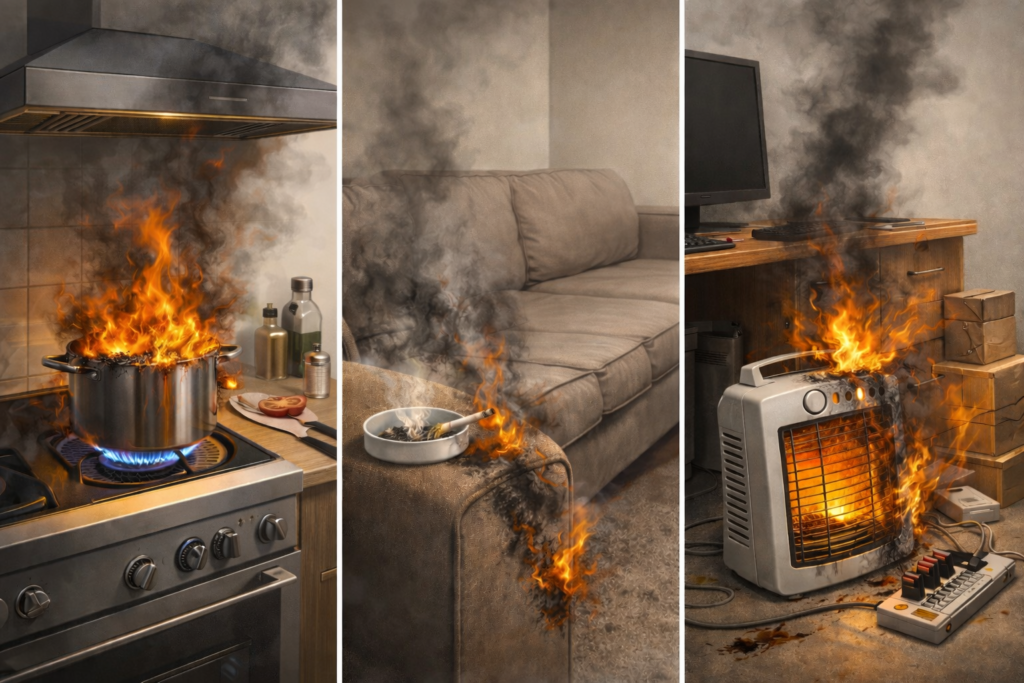
- Unattended Cooking: Leaving stoves, ovens, or other cooking appliances on without supervision can easily ignite nearby combustible materials.
- Careless Smoking: Improper disposal of cigarettes, matches, or lighters can trigger fires in homes, offices, and industrial spaces.
- Improper Use of Equipment: Misusing heaters, electrical devices, or machinery—such as operating equipment without following safety instructions—can create fire hazards.
Preventive Measures: Fire risks caused by human error can be significantly reduced through employee training, clear safety protocols, and public awareness campaigns. Regular education on fire hazards, adherence to safe practices, and promoting a culture of safety ensure that individuals remain vigilant, proactive, and prepared to prevent fire incidents before they occur.
4. Equipment and Chemical Reactions
Industrial and commercial environments face unique fire hazards due to the operation of machinery and the storage of chemicals. Understanding these risks and implementing preventive measures is essential to maintaining a safe workplace.
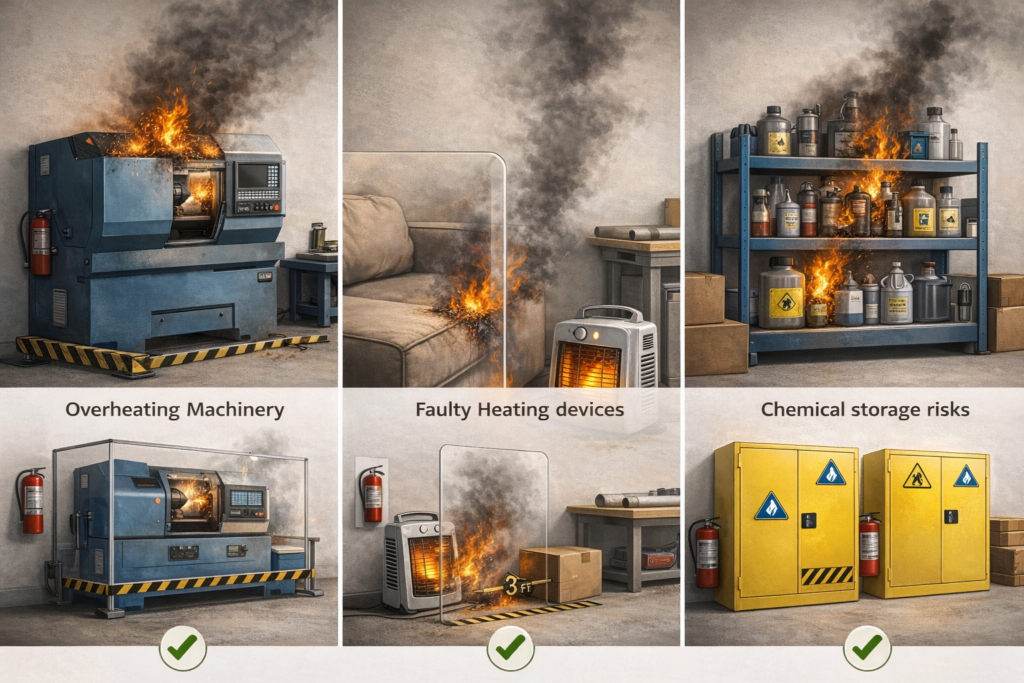
- Industrial Machinery: Equipment that overheats, experiences friction, or suffers mechanical failure can easily ignite nearby combustible materials, posing significant fire risks.
- Heating Devices: Faulty, poorly maintained, or improperly installed heating systems in factories, warehouses, or offices can become potential sources of fire.
- Chemical Storage: Certain chemicals are highly reactive and may ignite or explode if exposed to heat, sparks, or incompatible substances. Improper handling or storage can quickly escalate into hazardous fire situations.
Preventive Measures: To mitigate these high-risk sources of fire, organizations should implement regular equipment inspections and maintenance, ensure adequate ventilation, and enforce strict chemical storage protocols. Adhering to these practices not only reduces the likelihood of fire incidents but also ensures compliance with safety regulations and protects both personnel and property.
Understanding Fire Behavior
A comprehensive understanding of fire behavior is a critical foundation for effective fire prevention, risk management, and safety planning. Fires do not occur randomly; they follow predictable patterns based on the fundamental principles of combustion. By studying how fires ignite, develop, and spread, individuals and organizations—including homeowners, facility managers, safety officers, and industrial supervisors—can implement proactive measures to reduce fire risks, protect lives, and safeguard property.
Understanding fire behavior involves analyzing key factors such as the fire triangle (fuel, heat, and oxygen), the stages of fire development (ignition, growth, fully developed, and decay), and the mechanisms through which fires spread (conduction, convection, and radiation). This knowledge allows for informed decision-making when designing fire safety protocols, choosing appropriate fire suppression systems, planning evacuation routes, and conducting risk assessments. Ultimately, the ability to predict and respond to fire behavior enhances preparedness, minimizes potential damage, and ensures compliance with national and workplace fire safety regulations.
The Fire Triangle
All fires, regardless of size or location, require three critical components to ignite and sustain combustion, collectively known as the fire triangle. Understanding these elements is fundamental to fire prevention, control, and safety planning.
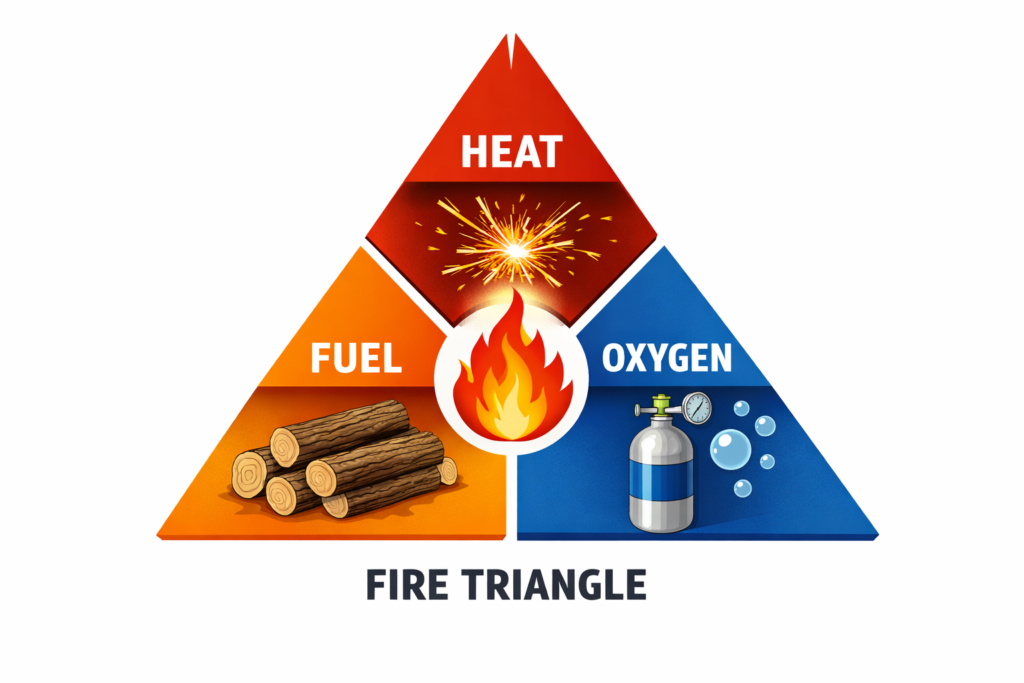
- Fuel – The Combustible Material
Fuel is any material that can burn, including solids, liquids, and gases. Common examples include wood, paper, textiles, flammable liquids, and industrial chemicals. The type and quantity of fuel influence the intensity, speed, and spread of a fire. Proper storage and handling of combustible materials are crucial to reducing fire risk. - Heat – The Ignition Source
Heat provides the energy required to raise the fuel to its ignition temperature. Sources of heat may include open flames, sparks, electrical faults, friction, or overheating equipment. Controlling heat sources, maintaining electrical systems, and preventing sparks are essential strategies in fire prevention. - Oxygen – The Combustion Support
Oxygen sustains the chemical reaction of combustion. Fires in open-air environments have abundant oxygen, while confined spaces may limit fire growth. Fire suppression strategies often focus on reducing oxygen availability, such as using fire blankets, CO2 extinguishers, or other smothering techniques.
Key Insight: Removing any one of these three elements—fuel, heat, or oxygen—will prevent a fire from starting or extinguish an existing fire. This principle forms the foundation of many fire safety strategies, including risk assessment, equipment selection, and emergency response planning.
Stages of Fire
Understanding the stages of fire development is essential for effective fire prevention, risk management, and emergency response. Fires progress through predictable phases, and recognizing each stage allows homeowners, workplace managers, and safety professionals to respond appropriately and implement effective safety measures.
- Ignition Stage
The ignition stage marks the beginning of a fire, occurring when a spark, open flame, electrical fault, or heat source raises a combustible material to its ignition temperature. During this phase, the fire is small and localized, but it can spread quickly if proper precautions are not in place. Early detection, such as functioning smoke alarms, is critical during this stage to prevent escalation. - Growth Stage
During the growth stage, the fire begins to expand rapidly, consuming nearby fuel sources. Heat, smoke, and flames increase in intensity, and the fire may start to spread to adjacent areas. In enclosed environments, this stage can create hazardous conditions, including high temperatures and the accumulation of toxic gases. Implementing fire containment strategies, such as fire doors, barriers, and suppression systems, is vital to controlling growth. - Fully Developed Stage
The fully developed stage is the peak of the fire, where maximum heat, energy, and smoke are produced. All available fuel within the fire’s reach is actively burning, making this stage extremely dangerous. The risk of structural damage, rapid flame spread, and smoke inhalation is highest during this phase. Professional firefighting intervention and proper emergency evacuation procedures are essential to minimize casualties and property loss. - Decay Stage
The decay stage occurs once the fire has consumed most of its fuel, leading to a reduction in heat, flames, and smoke. Although the fire may appear less intense, hot spots, smoldering materials, and toxic fumes can persist, posing ongoing hazards. Continuous monitoring, extinguishment of residual flames, and post-fire safety inspections are critical to prevent re-ignition and ensure complete fire control.
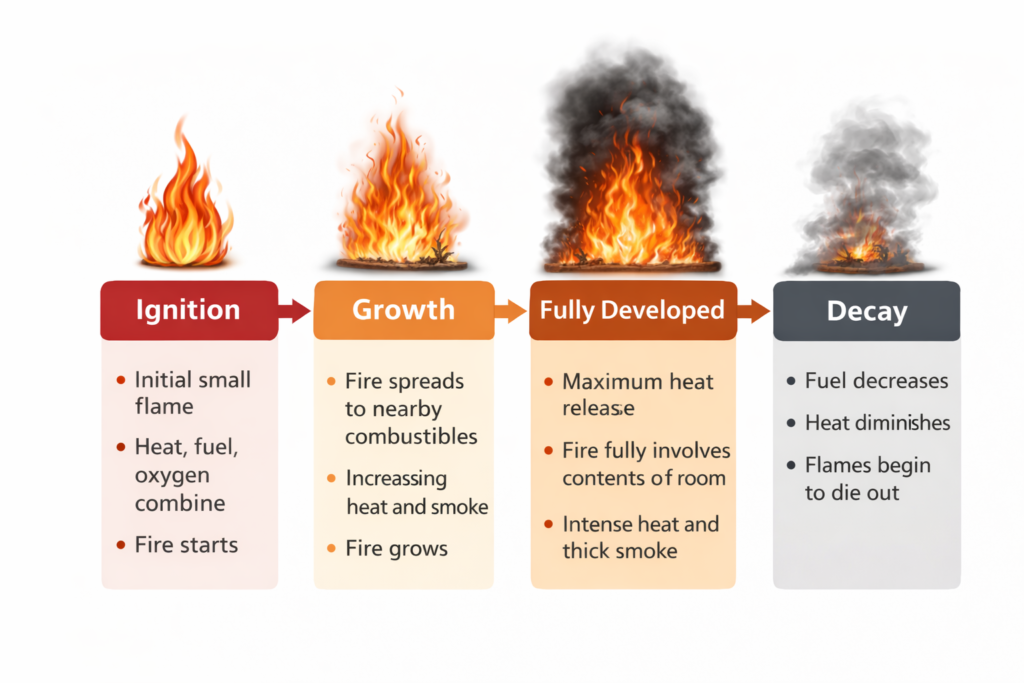
Key Insight: By understanding these stages, individuals and organizations can anticipate fire behavior, implement targeted fire prevention measures, and respond effectively during emergencies, significantly reducing the risk of injury and property damage.
Fire Spread Mechanisms
Fires can spread through multiple physical processes, and understanding these mechanisms is crucial for effective fire prevention, safety planning, and emergency response. Recognizing how heat and flames propagate helps in designing safer environments and implementing protective measures in homes, workplaces, and industrial settings.
1. Conduction
Conduction occurs when heat transfers through solid materials, such as walls, floors, or metal structures. Even if a fire is contained to one area, conductive heat can ignite combustible materials in other parts of the building. Using fire-resistant materials and proper insulation can slow heat conduction and limit fire spread.
2. Convection
Convection involves the movement of hot air, smoke, or gases, which rise and carry heat to other areas. This mechanism can ignite flammable materials in higher levels of a building or distant rooms. Installing ventilation systems, smoke barriers, and fire dampers helps control convective fire spread and protect occupants.
3. Radiation
Radiation occurs when heat energy radiates from a fire to nearby combustible surfaces, even without direct contact. Flammable materials near a fire can ignite purely due to thermal radiation. Maintaining safe distances, using fireproof barriers, and keeping combustible items away from heat sources are effective preventive measures.
4. Smoke Hazards
Smoke poses one of the most dangerous aspects of a fire. While flames are visually destructive, toxic smoke inhalation accounts for the majority of fire-related fatalities. Smoke can obscure visibility, impair breathing, and deliver lethal gases such as carbon monoxide and cyanide. Installing smoke detectors, maintaining clear evacuation routes, and providing proper ventilation are critical to mitigating smoke hazards.
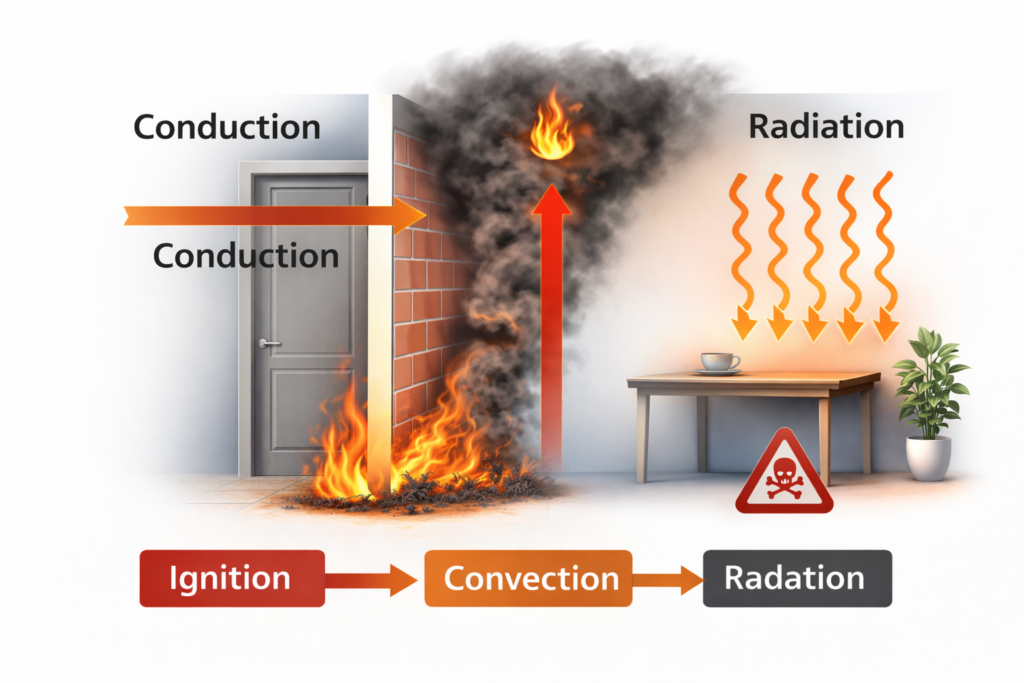
Key Insight: By understanding fire spread mechanisms—conduction, convection, radiation—and the deadly effects of smoke, individuals and organizations can implement targeted fire safety measures, enhance emergency preparedness, and significantly reduce the risk of injury or loss during a fire.
Fire Prevention Techniques
Fire prevention is the cornerstone of effective safety management. Preventing fires before they occur is always more efficient and cost-effective than responding to active incidents. By implementing structured, proactive strategies, individuals, families, and organizations can significantly reduce the likelihood of fires, protect lives, and safeguard property.
Fire Prevention Strategies at Home
Homes are often at risk due to common activities and the presence of flammable materials. Key techniques include:
- Comprehensive Smoke Detection: Install smoke alarms on every floor, including bedrooms, hallways, and near living areas. Regularly test devices and replace batteries at least once a year to ensure optimal functionality. Consider interconnected alarms so that all units sound simultaneously in case of fire.
- Accessible Fire Extinguishers: Place appropriate fire extinguishers in high-risk areas such as kitchens, garages, and near heating devices. Learn how to operate different types of extinguishers, including water, foam, CO2, and multi-purpose models, to quickly manage small fires.
- Proper Storage of Flammable Materials: Store fuels, solvents, and other combustible liquids in secure, ventilated areas away from heat sources or open flames. Use clearly labeled containers and follow manufacturer guidelines to reduce accidental ignition.
- Electrical Safety Practices: Avoid overloading electrical outlets and extension cords. Regularly inspect household wiring and appliances for wear or damage. Use certified appliances and replace faulty devices promptly to prevent electrical fires.
- Safe Cooking Practices: Never leave stoves, ovens, or grills unattended. Keep flammable items away from heat sources and ensure kitchen fire blankets or extinguishers are accessible.
Fire Prevention Strategies in the Workplace
Workplaces present additional risks due to higher occupancy, electrical equipment, and chemical use. Effective prevention measures include:
- Regular Fire Risk Assessments: Conduct thorough evaluations to identify potential hazards, assess risk levels, and implement corrective actions. Update assessments regularly and document findings to comply with UK fire safety regulations.
- Clear Emergency Exits and Signage: Maintain unobstructed exits, illuminated pathways, and clearly visible fire safety signs. Ensure emergency exit routes are well-marked and known to all personnel.
- Employee Fire Safety Training: Provide comprehensive training on fire hazards, use of fire-fighting equipment, and emergency evacuation procedures. Conduct regular fire drills to reinforce preparedness and instill a safety-first culture.
- Safe Handling and Storage of Flammable Materials: Store chemicals and other combustible substances in compliant containers, maintain proper ventilation, and segregate incompatible materials. Implement standard operating procedures for handling flammable items safely.
- Equipment Maintenance and Housekeeping: Ensure machinery, electrical systems, and heating devices are regularly inspected and maintained. Keep workplaces tidy, minimizing the accumulation of combustible materials and reducing fire risks.
| Fire Prevention Measure | Home | Workplace |
|---|---|---|
| Smoke Alarms | Install in key areas (bedrooms, kitchen, hallways); test regularly | Installed throughout building; integrated with central alarm systems and regularly inspected |
| Fire Extinguishers | Keep basic extinguishers (e.g., kitchen, garage); ensure easy access | Multiple types (CO₂, foam, dry powder) placed strategically; staff trained in usage |
| Chemical Storage | Store household chemicals safely, away from heat and children | Strict storage protocols for hazardous materials; labeled and compliant with safety regulations |
| Electrical Safety | Avoid overloading sockets; check wiring and appliances regularly | Routine electrical inspections; compliance with industrial standards and maintenance schedules |
| Training & Awareness | Basic fire safety knowledge for family members | Formal fire safety training programs and regular drills for employees |
| Evacuation Plans | Simple escape plan with family meeting point | Detailed evacuation procedures, marked exits, emergency signage, and assembly points |
Fire Safety Equipment and Tools
Effective fire safety extends beyond preventive measures and requires the strategic use of fire safety equipment and tools to protect lives and property. Proper installation, regular maintenance, and correct usage of these devices are essential for early fire detection, rapid suppression, and safe evacuation during emergencies. By integrating smoke and heat detectors, fire extinguishers, fire blankets, sprinkler systems, and emergency lighting into homes, workplaces, and industrial settings, individuals and organizations can minimize the risk of injuries, fatalities, and property damage. Ensuring that all personnel are trained to operate equipment correctly, combined with routine inspections and compliance with UK fire safety regulations, significantly enhances overall fire preparedness and emergency response effectiveness.
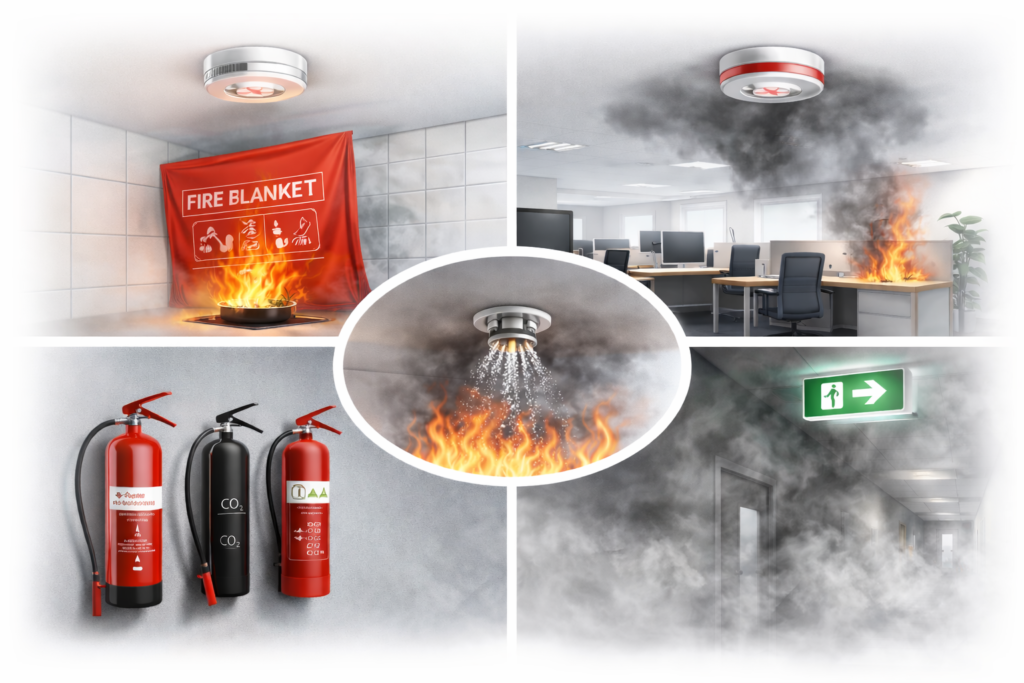
1. Smoke and Heat Detectors: Early Warning Systems for Fire Safety
Smoke and heat detectors are critical components of any comprehensive fire safety system, providing early warning to occupants and enabling rapid response before a fire escalates. These devices play a vital role in minimizing property damage, preventing injuries, and saving lives.
Smoke Detectors
Smoke detectors are designed to sense airborne smoke particles, triggering an alarm before flames are visible. They are particularly effective in detecting smoldering fires, such as those caused by electrical faults or overheated materials, where early detection is crucial for evacuation and fire suppression.
Heat Detectors
Heat detectors respond to sudden increases in temperature, making them ideal for areas where smoke detectors may produce false alarms, such as kitchens, boiler rooms, or industrial spaces. By monitoring temperature changes rather than smoke, these detectors provide reliable fire alerts in challenging environments.
Best Practices for Installation and Maintenance
To ensure optimal performance:
- Install detectors in strategically important locations, including bedrooms, hallways, kitchens, and areas near heat sources.
- Conduct regular testing to confirm alarms are fully operational.
- Replace batteries and devices according to the manufacturer’s guidelines to maintain reliability.
- Integrate detectors with connected alarm systems for synchronized alerts throughout the building.
2. Fire Extinguishers
Fire extinguishers are one of the most critical tools in fire safety, providing a first line of defense to control or suppress small fires before they escalate into life-threatening situations. Understanding the different types of extinguishers and their proper applications is essential for both residential and workplace fire safety.
1. Water Extinguishers
Water extinguishers are specifically designed for fires involving ordinary combustible materials, such as wood, paper, textiles, and cardboard. They work by cooling the burning material, effectively reducing the temperature below the ignition point and preventing the fire from spreading. These extinguishers should never be used on electrical or flammable liquid fires, as water can conduct electricity or spread the flames.
2. Carbon Dioxide (CO2) Extinguishers
CO2 extinguishers are ideal for electrical fires, as the carbon dioxide gas displaces oxygen and smothers the flames without conducting electricity or leaving harmful residues. They are commonly used for fires involving computers, servers, electrical panels, and household appliances.
3. Foam Extinguishers
Foam extinguishers are designed to combat flammable liquid fires, including fuels, oils, solvents, and paints. They work by forming a barrier over the burning liquid, smothering the fire and cooling the surface to prevent re-ignition. Foam extinguishers are widely used in industrial kitchens, laboratories, and fuel storage areas.
4. Proper Training and Usage
For fire extinguishers to be effective, all employees and household members must be trained in their correct usage. Key practices include:
- Knowing which extinguisher type to use for specific fires.
- Following the PASS technique: Pull, Aim, Squeeze, Sweep.
- Ensuring extinguishers are easily accessible and inspected regularly for pressure and functionality.
3. Fire Blankets
Fire blankets are lightweight, heat-resistant safety devices designed to quickly extinguish small fires and prevent them from spreading. They are particularly effective in kitchens, laboratories, and small workspaces where flames can ignite combustible materials or clothing.
Constructed from flame-retardant materials, fire blankets work by smothering the fire, cutting off the oxygen supply and halting combustion. They are ideal for:
- Kitchen Fires: Covering flames on stovetops, frying pans, or small appliances.
- Clothing Fires: Safely wrapping around a person whose clothing has caught fire to prevent injury and limit flame spread.
- Laboratory or Workshop Incidents: Quickly controlling small chemical or equipment fires before they escalate.
Best Practices for Use:
- Keep fire blankets easily accessible in high-risk areas.
- Follow proper deployment techniques: pull the tabs, unfold fully, and cover the fire completely.
- After use, inspect the blanket for damage and replace immediately if compromised.
4. Sprinkler Systems
Sprinkler systems are a critical component of modern fire safety, providing automatic fire detection and suppression to protect lives, property, and high-value assets. These systems operate by detecting excessive heat or flames and releasing water or specialized fire-retardant substances directly onto the fire source, helping to control its spread before it escalates.
Sprinkler systems are particularly effective in industrial facilities, commercial buildings, warehouses, and high-occupancy spaces such as hotels, hospitals, and office complexes. By targeting the fire at its origin, they reduce fire intensity, minimize smoke production, and prevent structural damage, allowing occupants more time to evacuate safely.
Key Features and Benefits:
- Automatic Activation: Sprinklers respond immediately to elevated temperatures, eliminating reliance on human intervention.
- Localized Control: Only the sprinkler nearest to the fire activates, conserving water while effectively suppressing flames.
- Integration with Alarm Systems: Modern sprinklers are often connected to building alarms, alerting occupants and emergency responders simultaneously.
- Regulatory Compliance: Installation of sprinkler systems helps organizations comply with UK fire safety standards and building regulations, particularly in high-risk or high-occupancy environments.
Best Practices:
- Conduct regular maintenance and inspections to ensure system functionality.
- Test sprinkler heads and control valves periodically.
- Ensure proper water supply and adequate coverage for all fire-prone areas.
5. Emergency Lighting and Fire Exit Signage: Guiding Safe Evacuation
Emergency lighting and fire exit signage are essential components of fire safety systems, providing critical guidance during fire emergencies, especially when visibility is compromised by smoke, darkness, or power outages. These systems ensure that occupants can quickly and safely evacuate a building, minimizing the risk of panic, injuries, and fatalities.
Emergency Lighting
Emergency lighting automatically activates during a fire, power failure, or other emergency situations to illuminate escape routes, stairwells, corridors, and exit points. Key benefits include:
- Enhanced Visibility: Helps occupants see obstacles, navigate staircases, and move toward safety even in smoke-filled environments.
- Compliance with Safety Standards: Meets UK building and fire safety regulations, ensuring legal compliance for commercial, industrial, and public facilities.
- Battery Backup Systems: Reliable lighting even during power outages, allowing safe evacuation without interruption.
Fire Exit Signage
Fire exit signage provides clear visual guidance to emergency exits, directing occupants toward safe escape routes. Effective signage should be:
- Illuminated and Highly Visible: Brightly lit signs are easily noticeable, even in low-light or smoke-filled areas.
- Directional: Arrows or pathway indicators guide occupants along the safest evacuation route.
- Strategically Placed: Positioned at key decision points such as corridors, stairwells, and junctions to prevent confusion.
Best Practices for Installation and Maintenance
- Conduct regular inspections to ensure lighting and signage are functional and visible.
- Replace or repair damaged or non-functioning units immediately.
- Integrate emergency lighting and signage with the building’s fire alarm system to synchronize activation during emergencies.
- Ensure staff are familiar with evacuation routes and signage meaning through regular drills and training
Fire Safety Planning and Drills
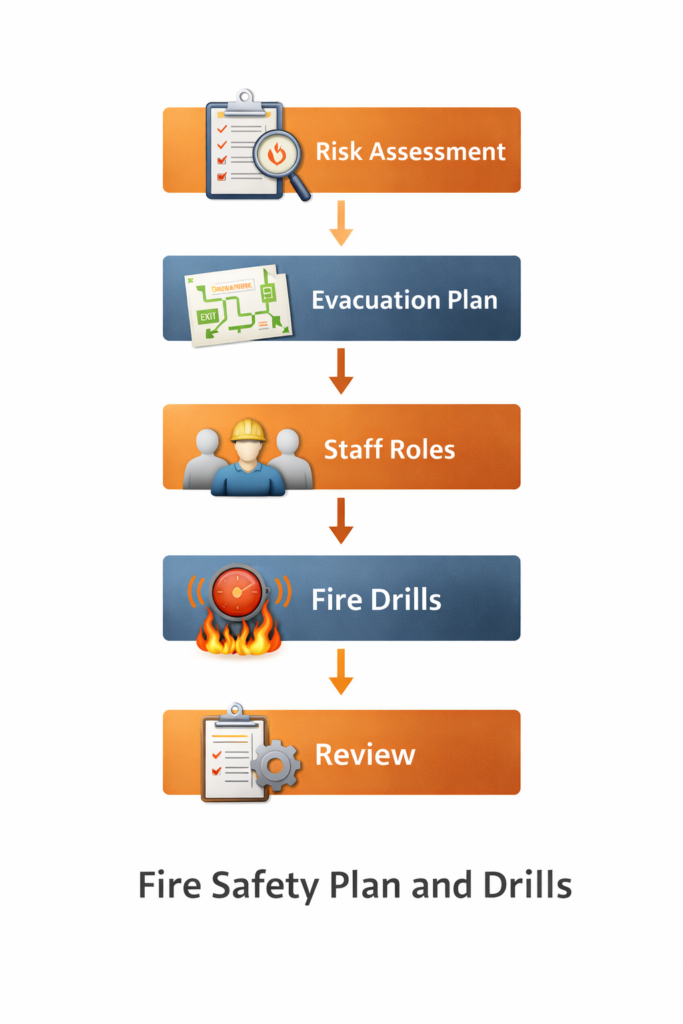
Effective fire safety extends beyond equipment and prevention measures—it requires comprehensive planning and regular drills to prepare occupants for emergencies. A well-designed fire safety plan ensures that individuals know how to respond quickly and safely during a fire, while drills reinforce procedures and build confidence. Central to this preparedness are emergency lighting, fire exit signage, and clearly defined evacuation protocols.
Emergency Lighting
Emergency lighting is a critical component of fire safety systems, automatically activating during a fire, power outage, or other emergency situations. It illuminates escape routes, stairwells, corridors, and exit points, ensuring occupants can navigate safely even in low-visibility conditions caused by smoke or darkness.
Key Benefits:
- Enhanced Visibility: Helps occupants identify obstacles, safely navigate stairs, and reach exits efficiently.
- Regulatory Compliance: Meets UK building and fire safety regulations, supporting legal compliance in commercial, industrial, and public buildings.
- Battery Backup Systems: Maintains consistent illumination during power failures, ensuring uninterrupted guidance for safe evacuation.
Fire Exit Signage
Fire exit signage provides clear visual guidance to direct occupants toward emergency exits, significantly reducing evacuation time and preventing confusion during a fire.
Essential Features:
- Illuminated and Highly Visible: Bright, well-lit signs remain noticeable even in smoke-filled or low-light environments.
- Directional Indicators: Arrows and pathway markers guide occupants along the safest evacuation route.
- Strategic Placement: Signage is positioned at critical decision points, such as corridors, stairwells, and junctions, to ensure clear guidance throughout the building.
Fire Safety Planning
A robust fire safety plan outlines how occupants should respond in case of a fire, including responsibilities, evacuation routes, and emergency contact procedures. Effective planning involves:
- Conducting a risk assessment to identify potential fire hazards and vulnerable areas.
- Designing clear evacuation routes that avoid obstacles and ensure rapid exit.
- Assigning roles and responsibilities, including fire wardens and safety coordinators.
- Integrating fire detection, alarms, lighting, and signage for coordinated emergency response.
Fire Drills and Training
Regular fire drills and training are essential for reinforcing safety protocols:
- Practice Evacuations: Conduct drills to familiarize occupants with escape routes and procedures.
- Evaluate Response Times: Assess evacuation efficiency and identify areas for improvement.
- Staff Training: Ensure employees or residents understand the purpose of alarms, how to operate fire safety equipment, and the location of emergency exits.
To further enhance workplace readiness and compliance, organizations can benefit from professional fire safety training courses, which provide in-depth knowledge, practical skills, and certification for effective emergency response.
Best Practices:
- Inspect emergency lighting and signage regularly to confirm functionality.
- Replace or repair damaged or non-functional units immediately.
- Integrate drills with the building’s fire alarm system to simulate realistic emergency conditions.
- Document drills and training sessions to demonstrate compliance with UK fire safety regulations.
UK Fire Safety Regulations and Compliance: Ensuring Legal and Workplace Safety
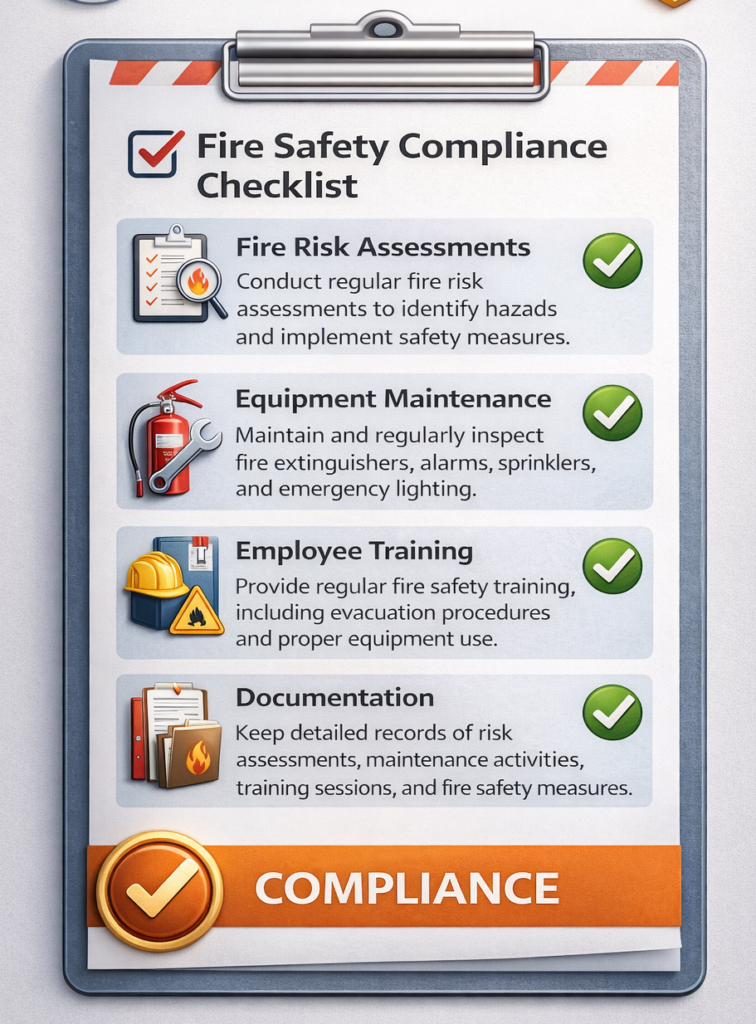
In the United Kingdom, workplaces are legally required to comply with the Regulatory Reform (Fire Safety) Order 2005 (RRO), which establishes standards for fire risk management and prevention. Compliance with these regulations is not only a legal obligation but also a critical component of protecting employees, visitors, and property from fire-related hazards, particularly as UK fire safety compliance requirements continue to evolve for 2026
Key Requirements for Compliance
- Conduct Comprehensive Fire Risk Assessments
Employers and building managers must identify potential fire hazards, evaluate the risk to people, and implement preventive measures. Risk assessments should cover all areas of the workplace, including offices, production zones, storage areas, and communal spaces, and should be reviewed regularly or whenever significant changes occur. - Maintain Fire Safety Equipment
All fire detection, suppression, and evacuation equipment—including smoke detectors, fire extinguishers, fire blankets, sprinklers, and emergency lighting—must be properly installed, regularly inspected, and maintained in accordance with manufacturer guidelines and UK safety standards. Proper maintenance ensures equipment is fully operational during emergencies. - Provide Employee Fire Safety Training
Employers are responsible for ensuring that all staff receive adequate fire safety training, including awareness of fire hazards, correct use of fire-fighting equipment, emergency evacuation procedures, and reporting protocols. Training should be updated periodically to reinforce knowledge and compliance with regulatory standards. - Document Safety Measures and Review Schedules
Effective compliance requires detailed documentation of all fire safety policies, risk assessments, training sessions, equipment inspections, and maintenance records. Keeping an organized record ensures accountability, facilitates audits, and demonstrates adherence to UK fire safety regulations.
Benefits of Compliance
- Reduces the risk of fire incidents and potential injuries or fatalities.
- Ensures legal compliance, avoiding fines and penalties.
- Enhances overall workplace safety culture and preparedness.
- Protects property and assets through proactive prevention and monitoring.
Conclusion
A solid understanding of fire behavior, combined with the implementation of proactive fire prevention techniques, is crucial for safeguarding lives, property, and assets. By integrating risk awareness, proper fire safety equipment, clear emergency planning, and regular training, both homes and workplaces can maintain a high level of fire preparedness. Regular inspections, adherence to UK fire safety regulations, and ongoing drills further strengthen safety measures, ensuring occupants can respond effectively during emergencies. Ultimately, fire safety is built on a foundation of awareness, preparation, and action, providing peace of mind and significantly reducing the risk of fire-related incidents.