
UK Fire Safety Compliance: Legal Checklist for 2026
Fire safety compliance is an absolute legal and operational requirement for all UK businesses in 2026. Ensuring adherence to fire safety regulations is critical not only for protecting employees, visitors, and customers but also for safeguarding property, minimizing business disruption, and avoiding costly legal penalties. With the latest legislation, including the Regulatory Reform (Fire Safety) Order 2005, the Fire Safety Act 2021, and the Fire Safety (England) Regulations 2022, it is essential that businesses maintain rigorous compliance standards to stay fully aligned with UK fire safety law.
Implementing a structured and proactive approach to fire safety compliance enables businesses to mitigate risks, improve emergency preparedness, and ensure full adherence to UK regulations. This comprehensive guide offers a detailed legal checklist for 2026, tailored for all types of UK organizations—from offices and retail premises to warehouses and industrial facilities. It covers actionable steps, practical examples, and expert guidance on legal responsibilities, staff training, emergency planning, equipment maintenance, and record-keeping.
By following this guide, UK businesses can confidently meet their fire safety obligations, protect lives, maintain operational continuity, and reinforce a culture of safety that instills trust among employees, clients, and regulatory authorities alike.
Why UK Fire Safety Compliance Matters in 2026
Adhering to UK fire safety regulations is not just a legal obligation—it is a cornerstone of effective workplace safety and risk management. Non-compliance can result in severe consequences, impacting both people and business operations:
- Legal Penalties and Fines: Regulatory authorities in the UK can issue enforcement notices, prosecute negligent organizations, and, in extreme cases, mandate business closure.
- Operational Disruption: Fires or enforcement actions can interrupt business activities, leading to significant revenue loss and operational downtime.
- Insurance Risks: Non-compliance may invalidate insurance policies, exposing businesses to substantial financial liability.
- Employee and Public Safety: The primary goal of fire safety compliance is to protect lives. Ensuring staff, visitors, and customers are safeguarded reduces the risk of injury or fatalities during fire emergencies.
In 2026, UK businesses are under increased scrutiny due to updated legislation and stricter inspection standards. Implementing a proactive, structured compliance strategy is therefore essential. Utilizing a comprehensive fire safety compliance checklist allows businesses to systematically address all legal responsibilities, operational safeguards, and safety measures, ensuring that no critical aspect of workplace fire safety is overlooked.
UK Fire Safety Legislation: Understanding Your Legal Obligations
A clear understanding of the legal framework for fire safety in the UK is essential for businesses to remain compliant and protect both people and property. Key legislation governing fire safety includes:
Regulatory Reform (Fire Safety) Order 2005
- Establishes the duties of the “Responsible Person” for all non-domestic premises.
- Requires businesses to conduct comprehensive fire risk assessments, implement appropriate safety measures, and maintain all fire protection systems.
Fire Safety Act 2021
- Clarifies the scope of fire risk assessments, particularly in multi-occupancy buildings.
- Updates guidance on common areas of buildings and effective fire prevention strategies.
Fire Safety (England) Regulations 2022
- Introduces specific obligations for building owners and managers, including the installation and maintenance of alarm systems, emergency lighting, and detailed evacuation planning.
Who is the Responsible Person?
The Responsible Person is legally accountable for ensuring that fire safety requirements are met. This role may be filled by:
- Employers
- Landlords
- Building or premises managers
The Responsible Person must ensure that:
- Fire risk assessments are properly conducted and documented
- Fire safety systems, including alarms and extinguishers, are maintained and fully operational
- Employees receive adequate training in fire safety and emergency procedures
Fire Safety Roles and Responsibilities in UK Workplaces
Clearly defined roles are essential for effective fire safety compliance and ensuring a coordinated response during emergencies. Each team member plays a critical part in maintaining a safe working environment.
| Role | Responsibility | Frequency |
|---|---|---|
| Responsible Person | Oversees overall compliance, ensures fire risk assessments are conducted, and maintains records | Continuous |
| Fire Warden | Leads evacuations, conducts staff briefings, and enforces compliance on the ground | Monthly / During Drills |
| Employees | Follow fire safety procedures, report hazards, and familiarize themselves with evacuation routes | Daily |
Key Duties
- Responsible Person: Ensures fire risk assessments are accurately completed, implements corrective actions, and maintains comprehensive compliance records.
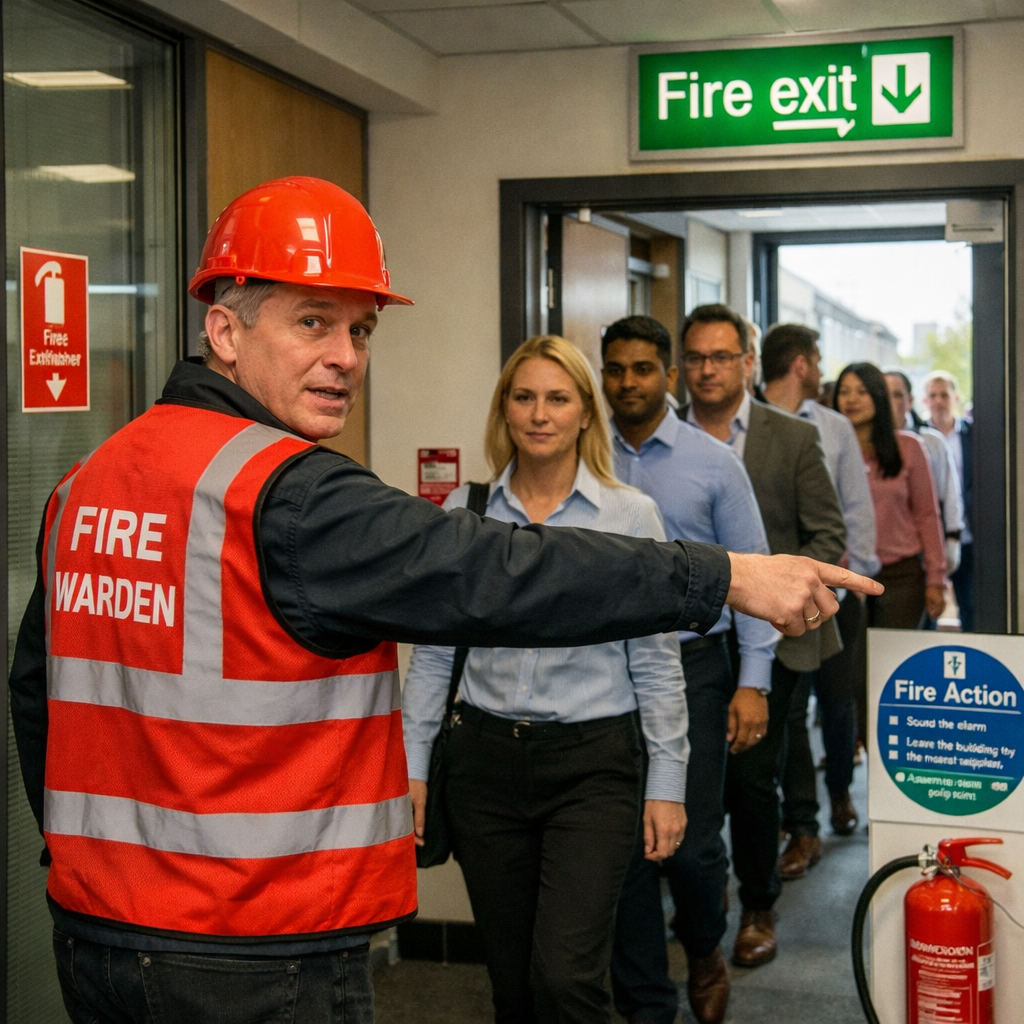
- Fire Wardens: Manage emergency evacuations, support staff during drills, and ensure adherence to fire safety procedures.
- Employees: Stay informed about fire safety protocols, actively report potential hazards, and follow designated evacuation plans.
By establishing role-based accountability, businesses can ensure efficient emergency responses, minimize risk, and maintain full compliance with UK fire safety regulations.
Comprehensive Fire Safety Compliance Checklist for UK Businesses (2026)
1. Fire Risk Assessment
A fire risk assessment is the cornerstone of fire safety compliance for UK businesses in 2026. It is a systematic process that enables organizations to identify potential fire hazards, assess risks, and implement effective control measures to protect employees, visitors, and property.
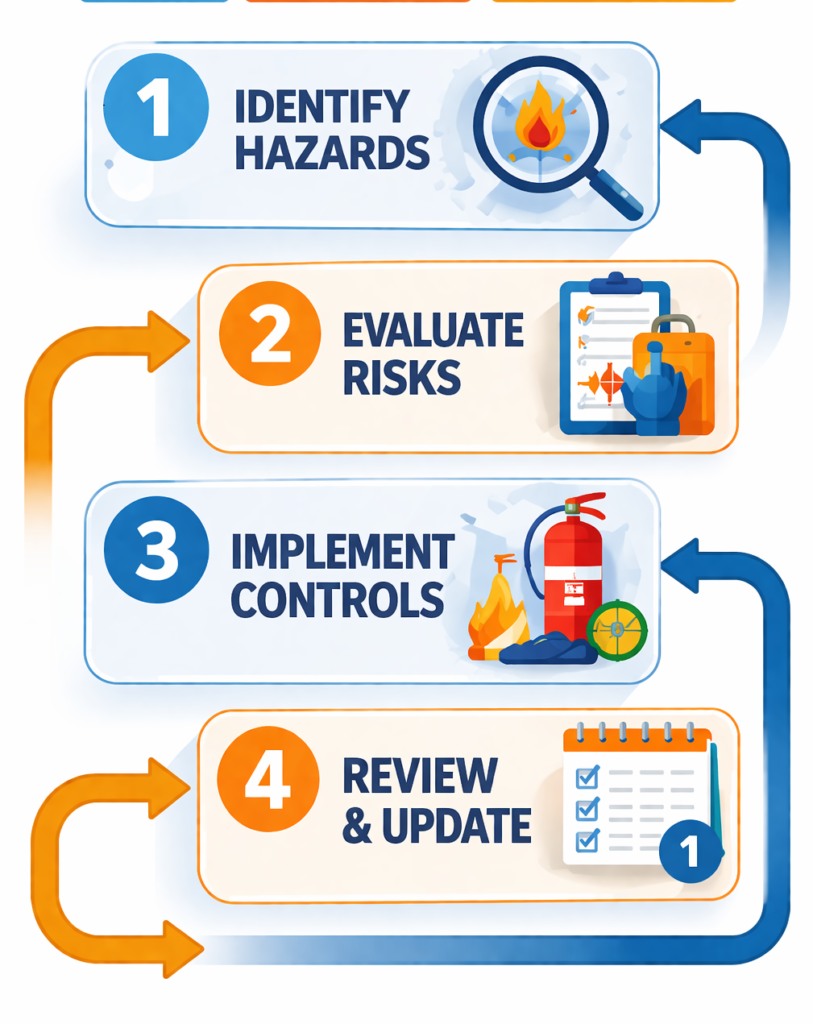
Key Steps in a Fire Risk Assessment
- Identify Hazards
Examine all areas of the workplace for ignition sources such as electrical equipment, heating systems, and open flames, as well as fuel sources including flammable liquids, chemicals, and combustible materials. - Assess Risks and Who May Be Affected
Determine who could be harmed, including staff, contractors, visitors, and vulnerable individuals. Evaluate the likelihood and potential impact of a fire to prioritize control measures. - Implement Control Measures
Install fire alarms, detection systems, and extinguishers, maintain clear evacuation routes, and adopt safe storage practices to minimize risk. - Document Findings and Maintain Records
Keep detailed logs of hazards, risk evaluations, and corrective actions. Documentation ensures regulatory compliance and provides a reference for audits and inspections. - Review and Update Regularly
Fire risk assessments are ongoing. They should be reviewed annually, after significant workplace changes, or following any fire-related incidents to maintain compliance with UK regulations.
Benefits of Conducting a Fire Risk Assessment
- Legal Compliance: Meets obligations under the Regulatory Reform (Fire Safety) Order 2005, Fire Safety Act 2021, and Fire Safety (England) Regulations 2022.
- Employee and Visitor Safety: Reduces the risk of injury or fatalities during fire emergencies.
- Property Protection: Minimizes potential damage to buildings, equipment, and stock.
- Operational Continuity: Prevents disruptions caused by fire incidents through proactive risk management.
2. Fire Detection & Alarm Systems
Fire detection and alarm systems are a critical component of workplace fire safety in the UK. Properly installed and maintained systems provide early warning of a fire, giving occupants time to evacuate safely and helping businesses minimize property damage and operational disruption.
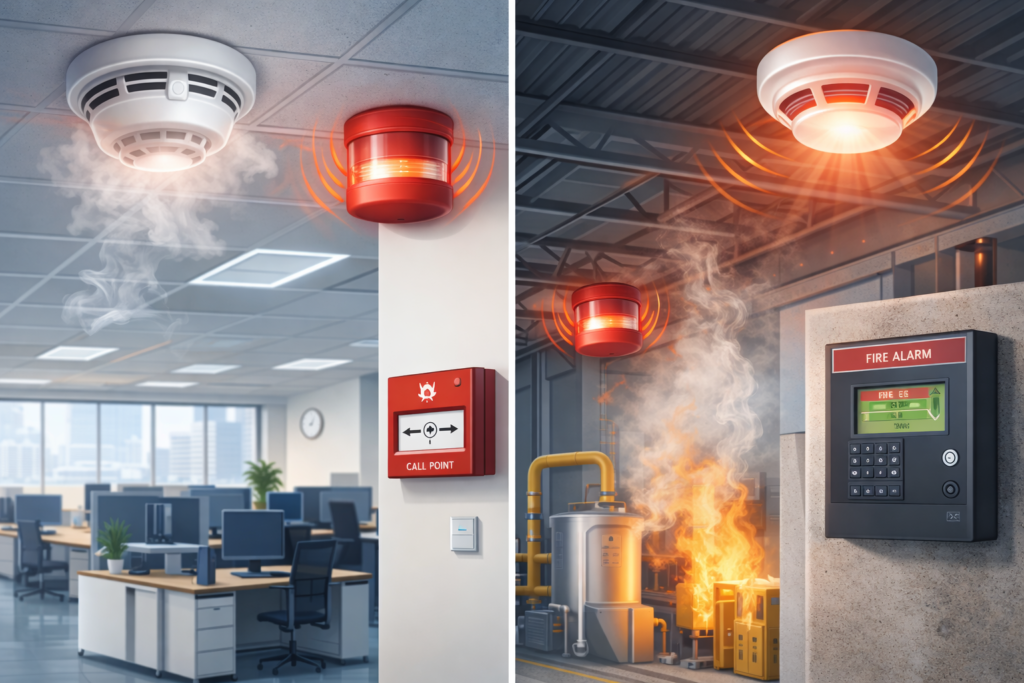
Key Requirements for UK Businesses
- Installation
- Install smoke and heat detectors in all high-risk areas, including offices, kitchens, storage rooms, and industrial zones.
- Ensure the system complies with BS 5839 standards and UK fire safety regulations.
- Regular Testing and Maintenance
- Conduct weekly or monthly alarm tests according to UK guidance.
- Check that detectors, alarms, and control panels are fully operational and audible throughout the premises.
- Schedule annual maintenance by certified professionals to ensure compliance.
- Documentation and Record-Keeping
- Maintain detailed logs of inspections, tests, and maintenance activities.
- Document any faults and corrective actions promptly to support audits and regulatory inspections.
- Integration with Emergency Protocols
- Ensure alarms are linked to evacuation procedures, including emergency lighting and clear exit signage.
- Staff should be trained to respond immediately to alarms, following established evacuation routes.
Benefits of a Compliant Fire Detection System in the UK
A fully compliant fire detection and alarm system delivers significant advantages for UK businesses, enhancing safety, legal adherence, and operational resilience.
- Enhanced Safety: Provides early detection of fire hazards, allowing for prompt evacuation and significantly reducing the risk of injuries or fatalities among employees, visitors, and contractors.
- Regulatory Compliance: Ensures adherence to UK fire safety legislation, including the Regulatory Reform (Fire Safety) Order 2005 and the latest 2026 guidance, helping businesses avoid enforcement action and legal penalties.
- Operational Continuity: Early warnings enable rapid response, helping to limit damage to property, equipment, and inventory, and reducing potential business disruption.
- Insurance Assurance: Maintaining functional and properly serviced fire detection systems satisfies insurance requirements, ensuring coverage remains valid in the event of a fire incident.
3. Emergency Lighting: Ensuring Safe Evacuation
Proper emergency lighting is a critical component of fire safety, ensuring that escape routes remain clearly visible during power outages or fire incidents.
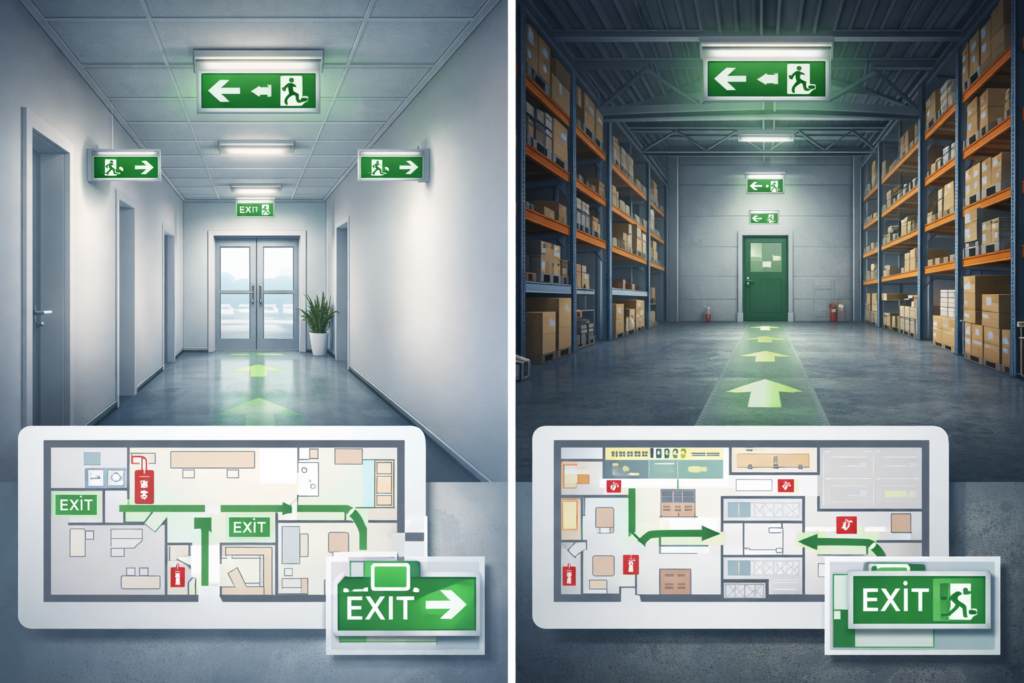
- Clear Illumination of Escape Routes: Emergency lighting must adequately illuminate all corridors, stairways, and exit points to guide occupants safely out of the building.
- Regular Testing and Maintenance: Conduct monthly tests to confirm functionality, and arrange annual servicing by qualified personnel to maintain compliance with UK fire safety standards.
- Immediate Replacement of Faulty Units: Any defective or non-compliant lighting should be replaced without delay to ensure continuous safety and regulatory adherence.
4. Firefighting Equipment
Proper firefighting equipment is a critical element of workplace fire safety, helping businesses control small fires before they escalate into major incidents.
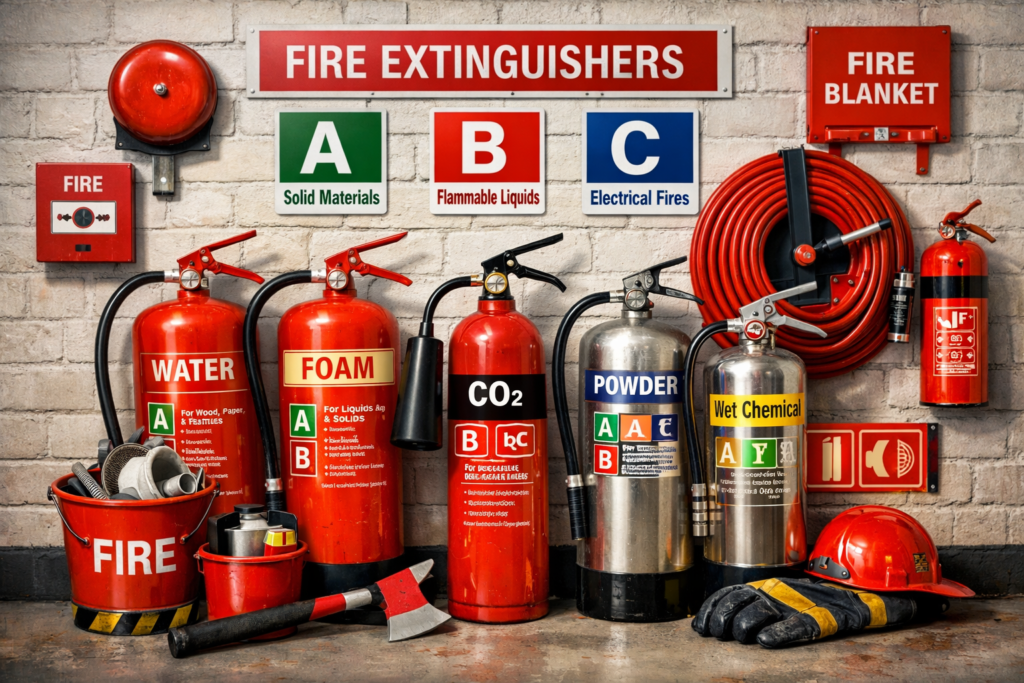
- Appropriate Equipment for Each Hazard: Ensure that fire extinguishers and other firefighting tools are suitable for specific types of fires, including electrical (Class C), flammable liquids (Class B), and general combustibles (Class A).
- Accessibility and Clear Identification: All equipment should be easily accessible, clearly labeled, and visible to all employees, ensuring rapid response in an emergency.
- Regular Maintenance and Servicing: Establish a scheduled inspection and servicing routine, maintaining detailed records to demonstrate compliance with UK fire safety regulations, including the Regulatory Reform (Fire Safety) Order 2005 and 2026 guidance updates.
5. Escape Routes & Signage: Ensuring Safe Evacuation in UK Workplaces
Maintaining clear escape routes and compliant fire safety signage is essential for protecting employees, visitors, and contractors during emergencies. Properly designed and well-marked routes help ensure swift, safe evacuation while meeting UK fire safety regulations.
Key Requirements for Escape Routes
- Unobstructed Emergency Exits
- All emergency exits, corridors, and stairways must remain free from obstructions at all times.
- Furniture, storage, or temporary equipment should never block escape routes to prevent delays during evacuation.
- Regulatory-Compliant Signage
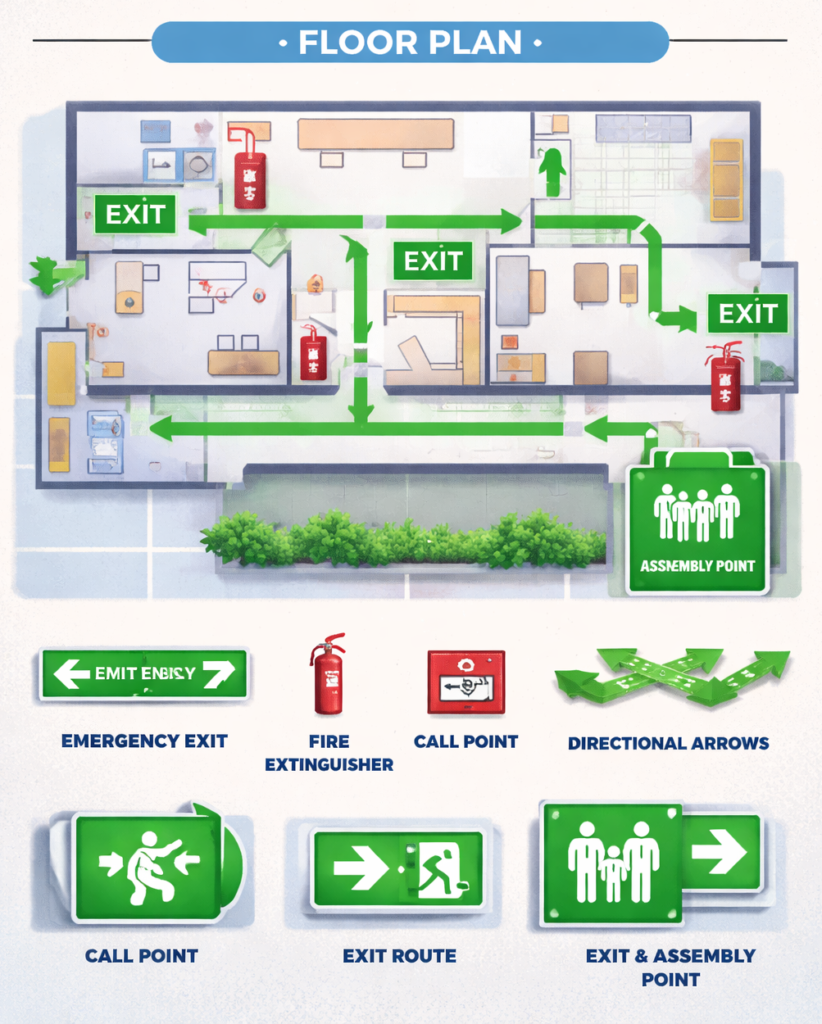
- Install fire exit signs, directional arrows, and emergency information signage that comply with UK standards (BS 5499 and current fire safety legislation).
- Signage should be visible in low-light conditions and clearly indicate the safest route to exits and assembly points.
- Floor Plans and Assembly Points
- Display detailed floor plans throughout the premises, showing evacuation routes, exits, fire extinguishers, and safety equipment.
- Designate and clearly mark assembly points outside the building where occupants can safely gather during an emergency.
- Ensure staff are trained to recognize and follow these routes during fire drills and real incidents.
- Regular Inspection and Maintenance
- Conduct routine checks to confirm exits are accessible, signage is intact, and floor plans remain current with any layout changes.
- Document inspections for compliance audits and regulatory inspections.
Benefits of Proper Escape Routes and Signage
- Enhanced Safety: Reduces confusion and panic during evacuations, minimizing risk of injury.
- Regulatory Compliance: Meets UK fire safety regulations and 2026 compliance guidance, helping avoid enforcement penalties.
- Operational Preparedness: Ensures staff can evacuate efficiently, supporting business continuity in emergencies.
6. Staff Training & Evacuation Plans
Effective staff training and well-structured evacuation plans are critical components of UK fire safety compliance. Ensuring that employees, fire wardens, and marshals are prepared not only reduces risk during emergencies but also demonstrates adherence to UK fire safety regulations (2026).
Key Requirements for Staff Training
- Mandatory Induction Training
- All new employees must undergo comprehensive fire safety induction upon joining the organization.
- Training should cover: fire risks, emergency procedures, use of fire-fighting equipment, and awareness of escape routes and assembly points.
- Fire Warden and Marshal Training
- Designated fire wardens and marshals should receive specialized training to manage evacuations, assist vulnerable individuals, and ensure compliance with fire procedures.
- Training must include practical drills, hazard recognition, and communication protocols with emergency services.
- Regular Fire Drills
- Conduct annual fire drills for all staff to reinforce knowledge and improve response times during actual emergencies.
- Simulate different scenarios, including blocked exits or multiple fire sources, to ensure readiness in real-world conditions.
Benefits of Structured Training and Evacuation Plans
- Enhanced Safety: Empowers staff to act confidently during emergencies, reducing panic and potential injuries.
- Regulatory Compliance: Meets legal obligations under the Regulatory Reform (Fire Safety) Order 2005 and updated 2026 fire safety guidance.
- Operational Preparedness: Ensures a coordinated, efficient evacuation, minimizing business disruption in the event of a fire.
Documentation and Record-Keeping: Ensuring Compliance and Accountability
Accurate documentation and record-keeping are essential for maintaining UK fire safety compliance in 2026. Proper records not only demonstrate adherence to regulations but also support audits, inspections, and continuous improvement of workplace fire safety measures.
Key Requirements for Documentation
- Maintain Comprehensive Logs
- Keep detailed records of all fire risk assessments, safety inspections, and staff training sessions.
- Include dates, personnel involved, observations, and identified hazards for full traceability.
- Document Corrective Actions and Audit Outcomes
- Record all remedial actions taken following inspections, drills, or incident reports.
- Document audit results to track compliance progress and demonstrate proactive management.
- Ensure Accessibility for Regulatory Inspections
- Store records in a centralized, organized system, either digital or physical, ensuring easy access for HSE inspectors and internal audits.
- Ensure that all documentation is up-to-date and reflects the current status of workplace fire safety measures.
Benefits of Proper Documentation
- Regulatory Compliance: Demonstrates adherence to the Regulatory Reform (Fire Safety) Order 2005, Fire Safety Act 2021, and 2026 guidance.
- Audit Readiness: Facilitates smooth inspections and ensures corrective actions are tracked efficiently.
- Continuous Improvement: Helps identify recurring issues, measure training effectiveness, and enhance overall fire safety performance.
8. Maintenance and Ongoing Compliance: Sustaining UK Fire Safety Standards
Ensuring continuous compliance with UK fire safety regulations requires ongoing maintenance and proactive management of all fire safety systems. Regular upkeep not only safeguards employees and property but also demonstrates adherence to 2026 legal requirements.
Key Maintenance Requirements
- Routine Equipment Checks
- Conduct regular inspections of fire alarms, smoke and heat detectors, fire extinguishers, and emergency lighting to confirm they are fully operational.
- Replace or repair any defective or outdated equipment immediately to maintain safety and regulatory compliance.
- Update Compliance Records
- After any workplace changes—such as new equipment, renovations, or altered workflows—update fire safety logs, risk assessments, and evacuation plans.
- Ensure all records accurately reflect the current state of fire safety measures for audits and regulatory inspections.
- Scheduled Servicing and Testing
- Implement a maintenance schedule that includes monthly, quarterly, and annual testing as required by UK legislation.
- Document all maintenance activities to demonstrate compliance with the Regulatory Reform (Fire Safety) Order 2005 and updated 2026 guidance.
| Task | Frequency | Responsible Person | Notes |
|---|---|---|---|
| Fire Alarm Test | Weekly | Fire Warden | Record in logbook |
| Extinguisher Check | Monthly | Fire Warden | Check pressure & access |
| Emergency Lighting | Monthly | Maintenance Staff | Quick function test |
| Fire Drill | 6–12 Months | Management | Record evacuation time |
| Escape Routes Check | Weekly | Fire Warden | Keep routes clear |
| Risk Assessment | Annually | Competent Person | Update if changes occur |
Benefits of Ongoing Maintenance
Audit Readiness: Accurate and up-to-date records facilitate inspections and demonstrate proactive fire safety management.
Enhanced Safety: Reduces the likelihood of equipment failure and ensures early detection during emergencies.
Regulatory Compliance: Maintains alignment with UK fire safety laws and inspection requirements.
Operational Continuity: Prevents unexpected disruptions caused by malfunctioning safety systems.
Fire Safety Compliance by Premises Type: Tailored Guidance for UK Businesses
Fire safety compliance requirements vary depending on the type of premises. UK businesses must implement measures suited to their specific environment to ensure legal adherence, occupant safety, and operational continuity.
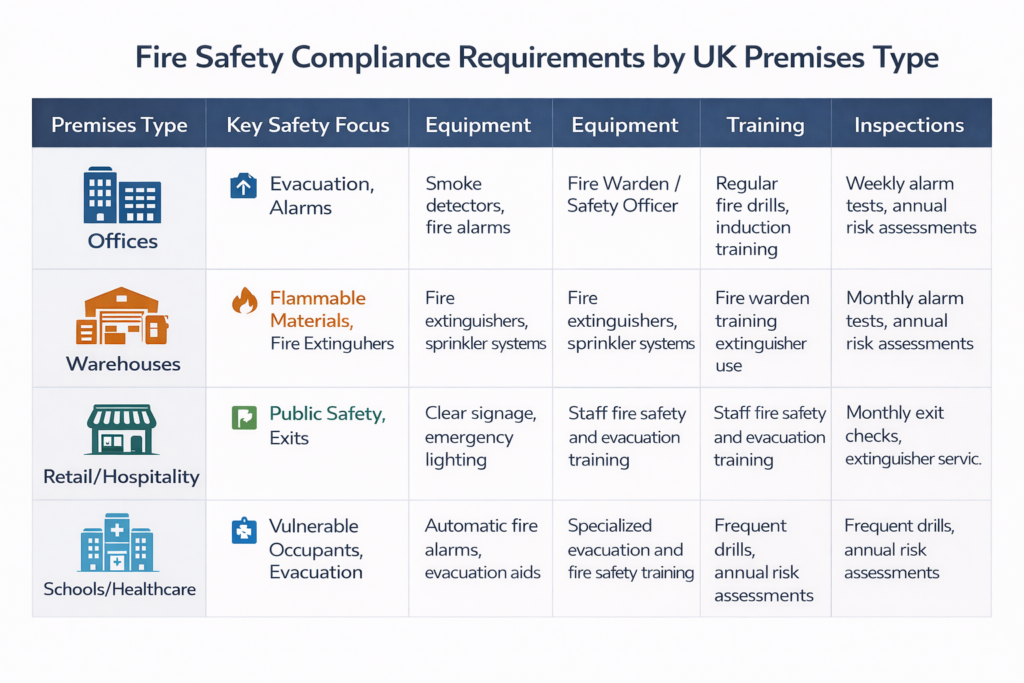
1. Offices and Small Businesses
- Prioritize electrical safety, including proper maintenance of wiring, equipment, and appliances.
- Maintain clear escape routes with compliant signage and unobstructed exits.
- Conduct staff training on fire awareness, evacuation procedures, and safe use of fire-fighting equipment.
- Perform regular fire risk assessments to identify hazards and update safety measures.
2. Warehouses and Industrial Sites
- Focus on the safe storage and handling of flammable and combustible materials.
- Ensure fire alarms and detection systems are installed in high-risk zones.
- Implement and maintain sprinkler systems and firefighting equipment appropriate to the hazards present.
- Schedule frequent inspections and drills to prepare staff for emergency situations.
3. Retail and Hospitality Venues
- Conduct fire risk assessments in customer-facing areas, kitchens, and storage rooms.
- Ensure emergency exits and routes are clearly marked and accessible.
- Install fire detection systems and extinguishers appropriate to specific risks, such as cooking or electrical equipment.
- Train staff on evacuation procedures, including assisting vulnerable customers during emergencies.
4. Schools and Healthcare Facilities
- Provide special consideration for vulnerable occupants, including children, patients, and individuals with mobility or sensory impairments.
- Develop Personal Emergency Evacuation Plans (PEEPs) tailored to specific needs.
- Conduct detailed evacuation drills and staff training to ensure rapid, safe responses.
- Regularly review fire safety protocols to address changes in occupancy, building layout, or equipment.
Technology & Innovation in Fire Safety (UK 2026)
Advancements in fire safety technology are transforming the way UK businesses protect employees, visitors, and property. Integrating modern tools enhances early detection, rapid response, and regulatory compliance, making workplaces safer and more resilient.
Key Technological Innovations
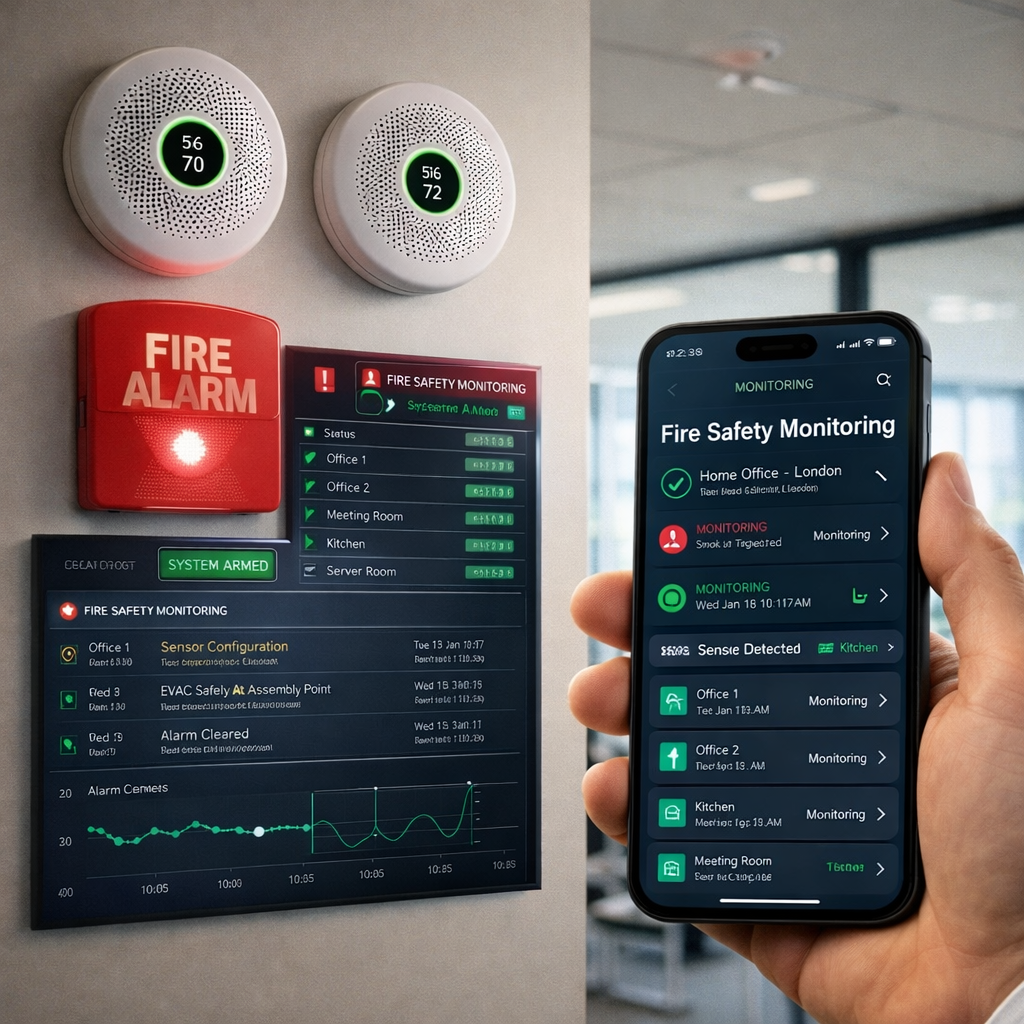
- Smart Fire Alarms with Remote Monitoring
- Modern alarms can be monitored remotely, alerting management or emergency services instantly in the event of a fire.
- Remote monitoring ensures continuous oversight, even outside standard operating hours.
- IoT Sensors for Early Detection
- Internet of Things (IoT) sensors detect smoke, heat, and hazardous gases earlier than traditional systems.
- These sensors can trigger alarms, notify key personnel, and even automatically activate fire suppression systems.
- Digital Logs and Compliance Tracking
- Maintain electronic records of fire risk assessments, staff training, inspections, and equipment maintenance.
- Digital logs streamline audits, improve accountability, and ensure compliance with UK fire safety regulations 2026.
- Mobile Apps for Staff Awareness and Hazard Reporting
- Employee-focused apps provide real-time notifications for drills, emergencies, and safety updates.
- Staff can report hazards directly, ensuring timely action and reducing fire risk.
Benefits of Integrating Technology
- Improved Accuracy: Early detection and digital monitoring reduce the risk of unnoticed hazards.
- Enhanced Responsiveness: Real-time alerts and automated systems allow for faster interventions.
- Regulatory Compliance: Digital records and monitoring ensure businesses meet UK legal obligations.
- Operational Efficiency: Technology reduces manual checks and improves reporting, saving time and resources.
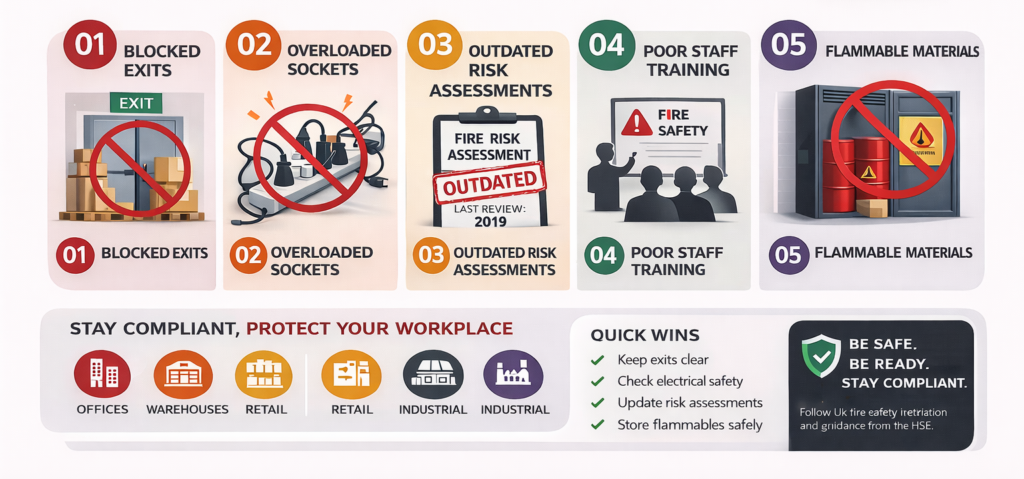
Common Fire Safety Compliance Mistakes UK Businesses Must Avoid
Maintaining full fire safety compliance requires vigilance and attention to detail. Many UK businesses inadvertently compromise safety and legal adherence by making preventable errors. Recognizing and addressing these common mistakes is essential for protecting employees, visitors, and property while ensuring operational continuity.
Key Compliance Pitfalls
- Overlooking Minor Hazards
- Even small risks, such as cluttered storage areas, overloaded electrical sockets, or blocked emergency exits, can escalate into major fire incidents if ignored.
- Outdated or Incomplete Fire Risk Assessments
- Fire risk assessments that are not regularly reviewed may fail to capture new hazards arising from changes in workplace layout, equipment, or occupancy.
- Inadequate Staff Training and Awareness
- Employees who are not properly trained in fire safety procedures, evacuation routes, or equipment use may respond incorrectly during emergencies, increasing the risk of injury.
- Poor Documentation and Record-Keeping
- Failure to maintain accurate logs of risk assessments, inspections, and staff training can result in non-compliance during audits and inspections.
- Mismanagement of Flammable Materials
- Improper storage or handling of flammable substances, such as chemicals, fuels, or packaging materials, can significantly increase fire risk.
Why Avoiding These Mistakes Matters
- Legal Compliance: Ensures adherence to UK fire safety legislation, including the Regulatory Reform (Fire Safety) Order 2005 and 2026 guidance updates.
- Workplace Safety: Reduces the likelihood of fire incidents and protects lives.
- Operational Continuity: Minimizes the risk of property damage, downtime, and financial loss.
Consequences of Non-Compliance with UK Fire Safety Regulations
Failure to adhere to UK fire safety regulations can result in serious legal, financial, and operational consequences for businesses in 2026. Non-compliance not only exposes organizations to penalties but also endangers employees, visitors, and property.
Key Risks of Non-Compliance
- Legal Penalties and Prosecution
- Regulatory authorities may issue enforcement notices, fines, or prosecute negligent businesses under the Regulatory Reform (Fire Safety) Order 2005 and related legislation.
- In severe cases, non-compliance can lead to closure of premises until safety standards are met.
- Insurance Implications
- Fire insurance coverage may be invalidated if safety systems, such as alarms and extinguishers, are not maintained.
- Claims may be refused in the event of a fire, resulting in significant financial loss.
- Property Damage and Operational Downtime
- Fires caused or exacerbated by inadequate safety measures can lead to extensive damage to buildings, equipment, and stock, causing disruption to business operations.
- Risk to Human Life
- Non-compliance increases the potential for injuries or fatalities among employees, visitors, and the public. Ensuring adherence to fire safety regulations is essential to safeguard lives.
Example: In England, several businesses have faced substantial fines and reputational damage for failing to maintain fire alarms and emergency lighting, illustrating the financial and operational consequences of non-compliance.
Fire Safety Training & Awareness Programs
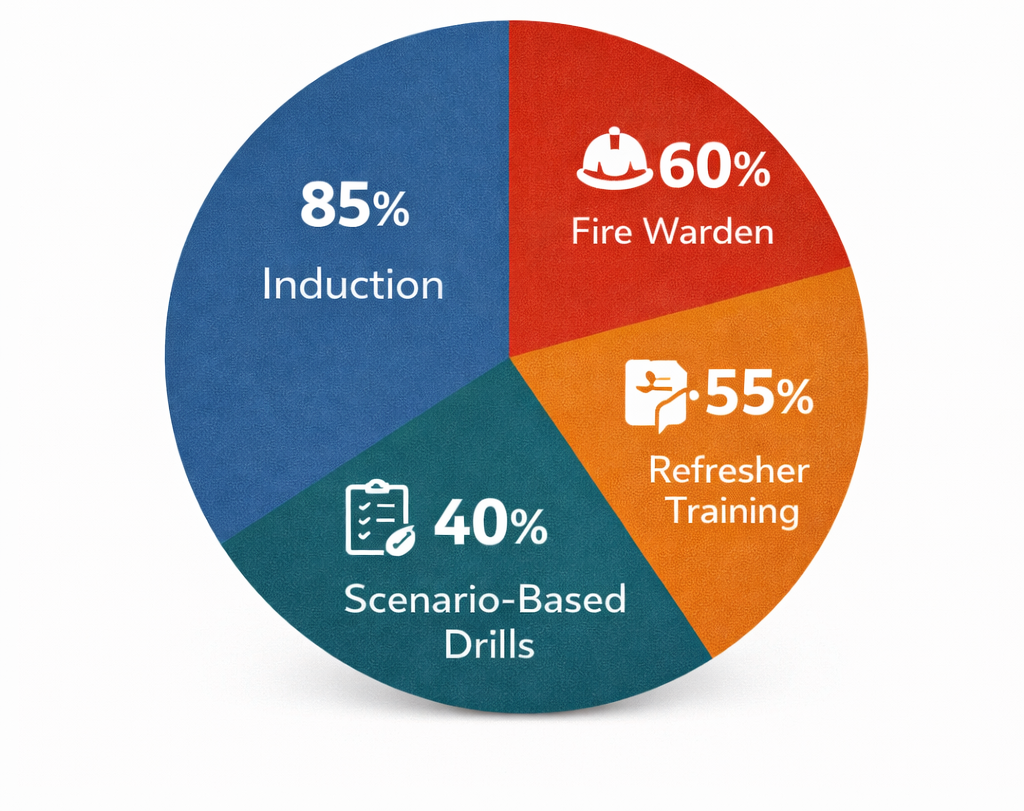
Effective fire safety training and awareness programs are essential for UK businesses to protect employees, visitors, and property while ensuring full compliance with UK fire safety regulations 2026. Structured programs equip staff with the knowledge and skills to respond confidently during emergencies, reduce risks, and support operational continuity.
1. Staff Induction Training
All new employees should undergo a comprehensive fire safety induction, covering:
- Identification of workplace hazards
- Emergency procedures and evacuation routes
- Proper use of fire-fighting equipment
For practical certification and in-depth learning, enroll your team in our ProQual Accredited Certified Fire Safety Training Course, designed specifically for UK workplaces to meet legal compliance standards.
2. Fire Warden and Marshal Training
Designated fire wardens and marshals require specialized training to:
- Lead evacuations and assist vulnerable individuals
- Manage emergency situations
- Ensure compliance with fire safety protocols
Our ICTQual Level 4 Diploma Senior Fire Safety Advisor equips staff with advanced skills to oversee evacuations and implement effective fire safety procedures. For more senior or strategic roles, the ICTQual Level 6 Diploma Senior Fire Safety Advisor provides comprehensive knowledge for managing complex workplace safety requirements.
3. Regular Drills and Refresher Courses
- Conduct annual fire drills to reinforce training and maintain readiness.
- Include scenario-based exercises simulating blocked exits, multiple fire sources, or high-risk areas.
- Offer refresher courses to ensure knowledge is retained and updated with latest regulations.
The ProQual Level 5 Diploma in Fire Safety and Risk Management is ideal for ongoing professional development, allowing businesses to maintain a high level of preparedness and legal compliance.
4. Scenario-Based Training for High-Risk Areas
Staff working in industrial zones, kitchens, laboratories, or warehouses should participate in tailored scenario-based training.
This ensures they can respond effectively to specific hazards unique to their workplace.
Benefits of Structured Fire Safety Training
- Regulatory Compliance: Aligns with UK fire safety legislation, including 2026 updates.
- Enhanced Safety: Reduces the risk of injury or fatalities during emergencies.
- Operational Continuity: Ensures a coordinated response, minimizing disruption.
- Staff Confidence: Builds a culture of safety and preparedness across all departments
Conclusion:
Fire safety compliance is a critical responsibility for all UK businesses in 2026, ensuring the safety of employees, visitors, and property while maintaining operational continuity and avoiding legal penalties. By following a structured approach, including fire risk assessments, proper equipment maintenance, clear escape routes, and robust staff training, businesses can meet UK fire safety regulations and demonstrate a strong commitment to workplace safety.
Tailoring compliance measures to your premises type, incorporating technology innovations, and regularly reviewing your procedures are essential steps to mitigate risk and maintain a safe working environment. Avoiding common mistakes, such as outdated assessments or inadequate training, further ensures that your organization remains fully compliant and prepared for emergencies.